




Current Report: Bayerische Motoren Werke May Gain 11.44% Next Year

Bayerische Motoren Werke projects an 11.44% return next year, anchored by a robust 7.88% dividend yield.

AI stocks are losing steam as investors rotate into undervalued sectors like energy and healthcare.

Global oil markets face a structural supply shock as depleted strategic reserves and refinery bottlenecks trigger a historic physical shortage.
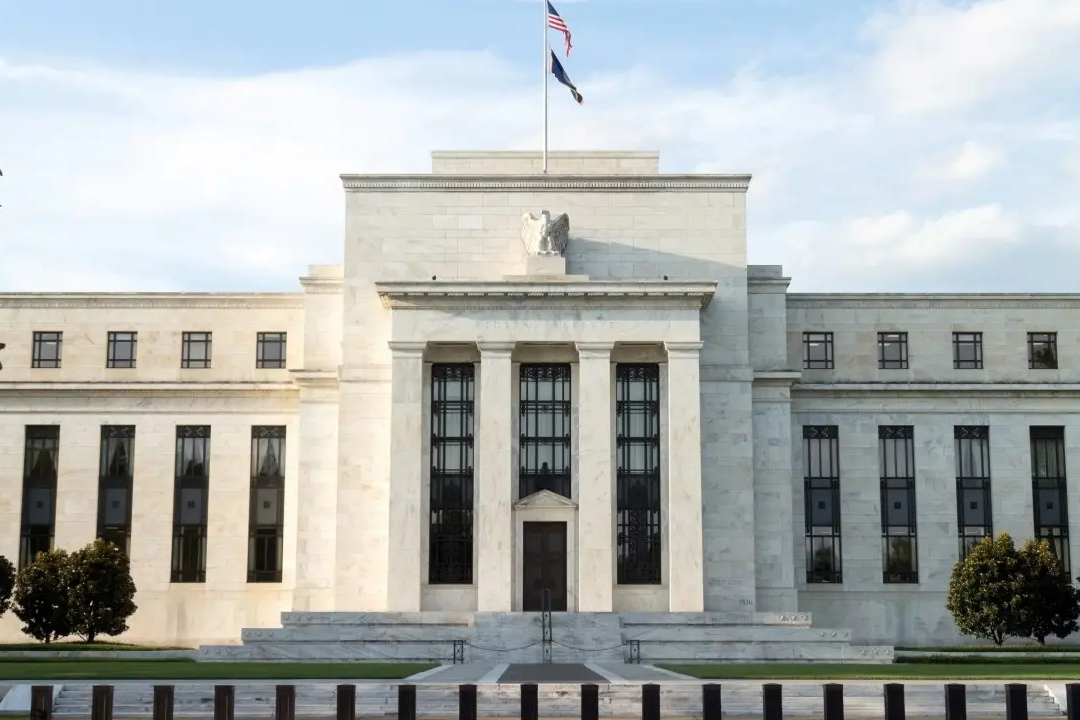
The Fed looks set to hold rates steady at the October FOMC meeting before hiking again in December.

Strong free cash flow and high analyst price targets suggest the ride-sharing giant remains significantly undervalued.

Bitcoin fell 23% this year as oil surged, but JPMorgan ranks the asset first for returns over the next decade.
Bayerische Motoren Werke projects an 11.44% return next year, anchored by a robust 7.88% dividend yield.

Gold prices have significantly outpaced inflation since 2000, reinforcing the metal's status as a long-term store of...

A sharp reversal suggests potential for a corrective decline toward $95–$97 if prices break below the $97 support level.

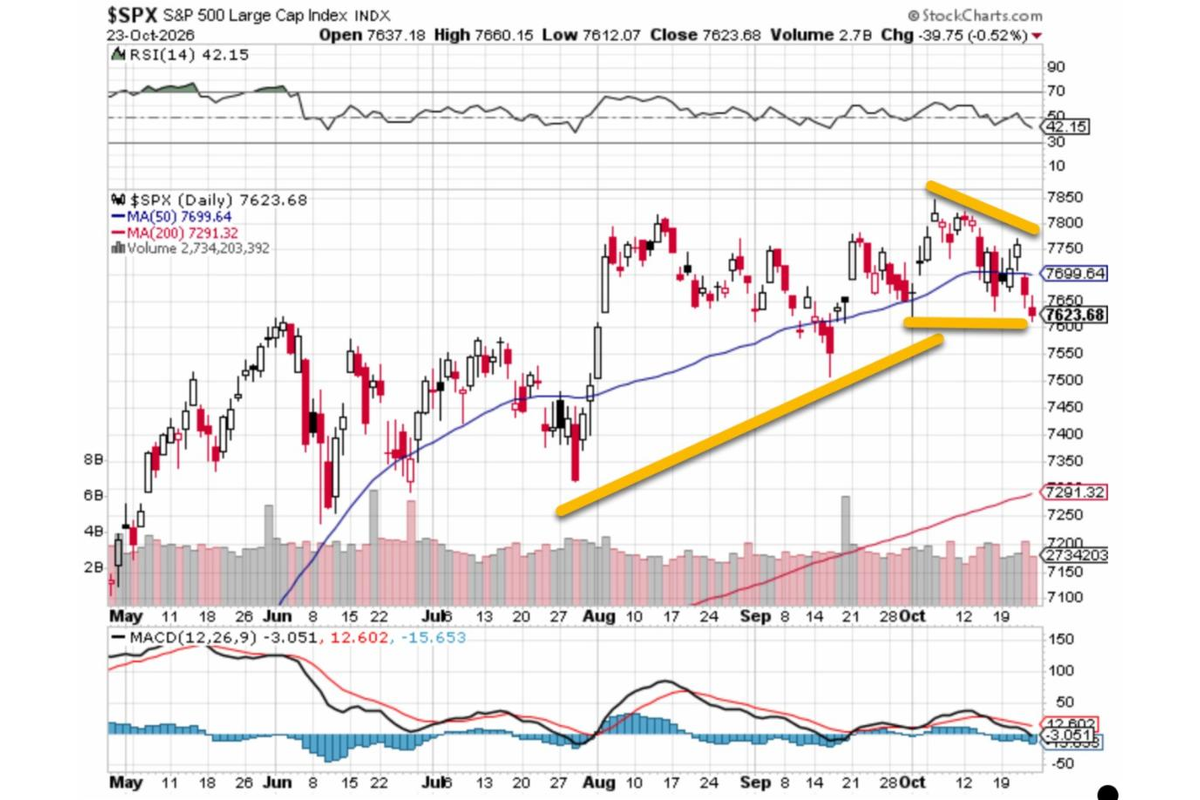
Markets face a "macro trifecta" of surging yields, Q3 earnings, and a looming Fed meeting. With mega-cap tech under...

Rising oil and bond yields are pressuring stocks as gold struggles to find its footing.



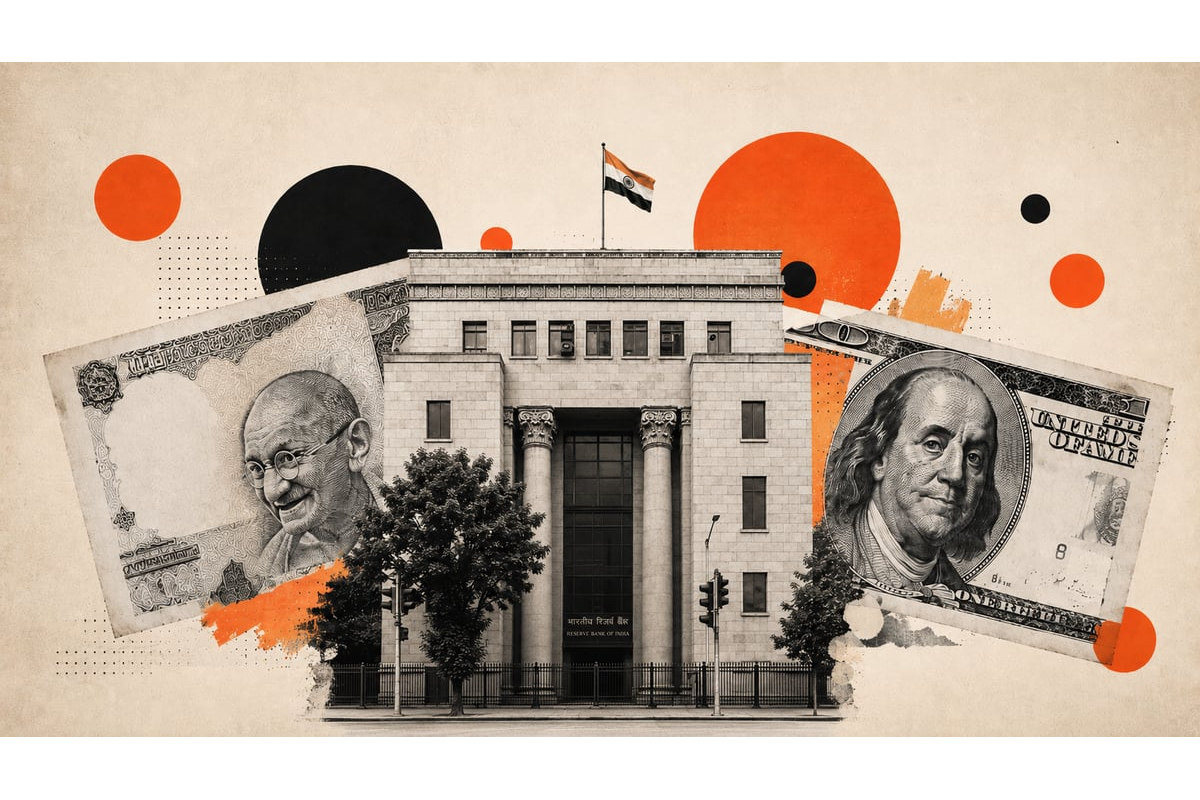

The Indian Rupee hit fresh lows as high oil prices pressure the energy-importing economy.




















Nikkei Futures target a deeper Elliott Wave pullback toward 58,400 as a double three correction unfolds.
Bayerische Motoren Werke projects an 11.44% return next year, anchored by a robust 7.88% dividend yield.
Gold prices have significantly outpaced inflation since 2000, reinforcing the metal's status as a long-term store of...
A sharp reversal suggests potential for a corrective decline toward $95–$97 if prices break below the $97 support level.
Markets face a "macro trifecta" of surging yields, Q3 earnings, and a looming Fed meeting. With mega-cap tech under...
Rising oil and bond yields are pressuring stocks as gold struggles to find its footing.
AI stocks are losing steam as investors rotate into undervalued sectors like energy and healthcare.
Global oil markets face a structural supply shock as depleted strategic reserves and refinery bottlenecks trigger a...
The Fed looks set to hold rates steady at the October FOMC meeting before hiking again in December.