

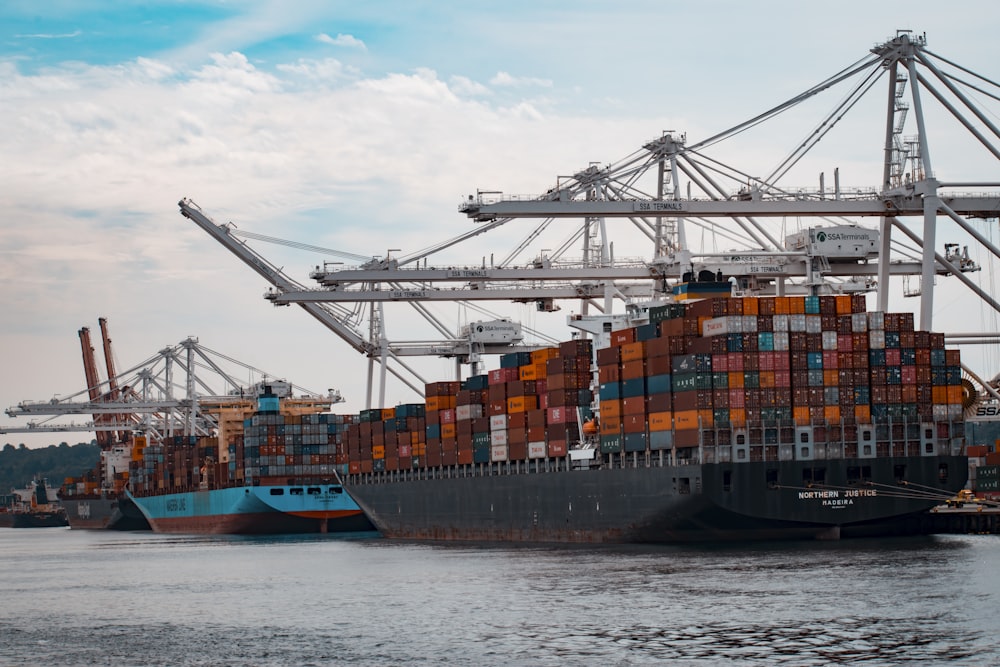
Image Source: Unsplash
China has become a more predictable partner to deal with than the United States ... - Prime Minister Mark Carney
Canada has started its long road to move away from the U.S. dominance in bilateral trade, when it announced a new trade deal with China. The deal is simple: Canada will permit up to 49,000 Chinese electric vehicles (about 3% of the Canadian auto market) under a preferential tariff rate of 6.1%. This is a dramatic drop from the 100% tariff that Canada had imposed in 2024 under pressure from the US. In exchange, China dropped its tariffs on Canadian canola to 15% from 85% imposed by China in response. This represents the most important breakout from the U.S. stranglehold on Canada since Trump launched his tariffs.
The 1965 AutoPact was the historic trade deal that effectively created a single, integrated North American market for automobiles and parts. The agreement was a "managed trade" deal rather than pure free trade. It removed tariffs on vehicles and original equipment parts moving across the border, but with specific conditions to safeguard the Canadian industry. Essentially, there is no such thing as a purely made Canadian or American car, from the big three automakers, but rather a car using parts and labour from multiple plants in North America.
Canada was caught in Trump’s trade war with China when he insisted that Canada impose a 100% tariff on Chinese EVs. China immediately responded by essentially eliminating Chinese purchases of Canadian canola products with a tariff of 85%. China effectively pitted western Canadian farmers against Ontario auto workers. Consequently, overall bilateral trade fell by 11% in 2025 Q3 from Q2, driven by a sharp fall-off in agricultural exports. Trade composition was highly concentrated in British Columbia and Ontario, while energy exports rose to be Canada’s largest export to China.
After one year of Trump’s protectionist policies, Prime Minister Carney clearly had enough of the high-handed approach adopted by Trump. Negotiations with the US Administration went nowhere, and neither side has made any effort to re-start discussions. Canadians now release that their economy needs to shift geographic focus. And China was the necessary partner to begin the process of pulling away from the US orbit.
The new trade deal has China giving some general promises to invest in the Canadian auto industry. No time frame or amount was specified, just expectations over the next five years that 50% of the imports will be affordable EVs at prices of less than $35,000. Naturally, Ontario Premier Doug Ford was clearly displeased with the deal because it contains no specific commitment to produce EVs vehicles and threatens existing auto jobs in Ontario .
Recall that in the 1980s, President Reagan placed quotas on Japanese exports, only to give way ultimately to removing the quotas. The demand for Japanese cars over time led to Toyota and others setting up shop in the US and Canada. The most successful automakers in Ontario are Japanese plants that have been operating for many years in Ontario. To the extent that EVs represent the future of the auto industry, industry observers expect Chinese manufacturers to develop operations in Canada in the longer run.
Beware of the law of unintended consequences. Trump had the option to work with the rest of the world to rein in China’s dominance in manufacturing. Instead, he pushed Canada into the arms of the Chinese, resulting in China developing a new trade partnership right next door to the US. How strategic is that?
More By This Author:
Challenge To Israel's Two Speed Economy
Israel’s Economy Enters A Sweet Spot
The Failure Of U.S. Trade Policy: How Asia Successfully Overcame U.S. Tariffs


Comments
Log in or sign up to join the conversation.