

In typical fashion, President Trump begins all negotiations with threats, and the CUSMA free trade arrangement is a classic example. Recently, Trump made a series of highly publicised statements that “I’m not looking to renew it”. What are his grievances and what are the true legal and procedural conditions that guide the negotiators?
Trump heavily criticised the existing trade patterns, emphasising his desire to see the US run trade surpluses rather than deficits with its continental neighbours. Famously, he boasted that “the US did not need anything Canada has, but Canada needs everything we have”. Someone forgot to tell him about bilateral energy trade patterns.
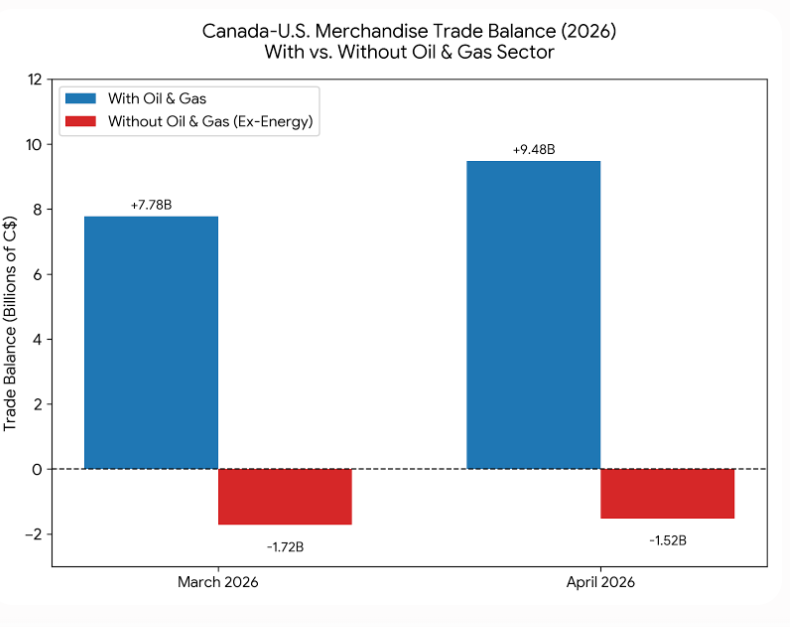
First and foremost is the President's misconception of the Canada-US trade balances. Including US imports of oil and gas from western Canada, Canada runs a trade surplus. April’s surplus US$ reached US$ 9.5 billion. Excluding oil and gas exports, the bilateral trade results in a small surplus in favour of the US. US refineries in the west and south rely heavily on Canadian oil imports, and have built refineries to process the heavy oil out of Alberta. Of the 20 million barrels-a-day (bdp) consumed in the US, Canada supplies close to 4 million bd or 20% of total US daily usage. The fact that the US is a net exporter of energy disguises the internal distribution aspects of the US energy market that result in large sections of the country relying solely on Canadian oil imports. The US cannot do without Canadian oil imports.
Trump’s rhetoric suggests that the pact can suddenly end with legal notice. However, the legal frameworks provide a much more measured time frame designed to allow all parties to prepare for termination. By July 1st, the three nations must jointly declare if they want to extend the pact for 16 years. Even without a formal renewal for 16 years, the agreement remains in effect for an additional 10 years. If the US chooses not to extend it, then that decision automatically triggers a mandatory annual review. The ‘right to terminate’ is Trump’s misreading of the agreement.
The US administration has entered formal negotiations with Mexico, while Canada has not done so, relying on more informal, diplomatic discussions. Canada has chosen to move at a different pace regarding formal negotiations, not feeling the pressure to make a deal to suit Trump. So, we can expect that July 1st will come and go, putting the whole agreement under a formal review which will take many months to conclude.
Trump’s bravado runs counter to the domestic pressure he is under from the agricultural sector and auto manufacturers to come to an agreement. Congressional members of both parties are pushing for the continuation and extension of the agreement. Many US states rely on extensive bilateral trade flows.
The Carney government has agreed to extend the pact and is focused on the removal of important trade "irritants" such as exorbitant tariffs on steel, aluminium, copper, and softwood imports. Although the Canadian economy is weak at this moment, Canadians are prepared to take a measured and careful approach to dealing with US protectionist policies, knowing full well that they are not without significant bargaining strength.


Comments
Log in or sign up to join the conversation.