

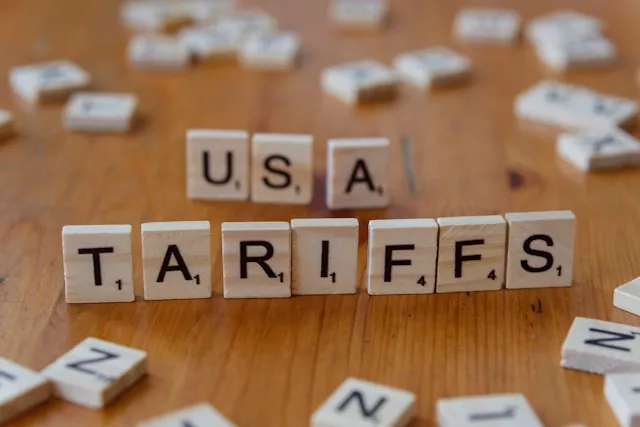
A year into the Trump administration reveals the effectiveness of the US tariffs, and the results are not surprising. Economists anticipated a one-directional impact in which ultimately the American producers and, in the end, consumers would pay for the tariffs, not the foreign supplier as President Trump boasted when announcing tariffs early 2024. However, there was, initially, considerable discussion related to two fundamental issues:
What is the actual tariff rate on a macro level?
Who pays the tariff? .
A recent study by economists at Harvard and the University of Chicago gives considerable insight into the incidence of US tariffs.
1. What are the actual tariff rates? Importers, upon learning of the Administration’s intentions, stocked up in advance well beyond the normal levels required to meet customer demand. For much of 2025, products were sold without tariffs because they were withdrawn from non-tariffed inventories. Responding to specific requests for exemptions, the Administration delayed or removed tariffs previously announced. Most notably, the computer chips had their tariffs set at the official rate of 28%, only to be reduced to 8% under pressure from the tech sector. By summer’s end the statutory overall tariff rate was 27% while the actual tariff level enforced was 14% .
Statutory (red) and Actual (blue) Tariffs 2025
Source:GN2.pdf
The U.S. two largest trading partners, Canada and Mexico (China is in 3rd place) operate under a U.S.- Mexico-Canada Agreement that has been in effect for more than three decades. More than 85% of North American trade enters the U.S. duty free, putting the effective rate on Canadian exports at 6%.
Who pays the actual tariffs? The economic “incidence” of the tariffs refers to the degree to which the tariffs’ costs are borne by the U.S or by the foreign exporter on whom the tariffs are imposed. The study makes no bones about who pays for the tariffs. “Given the high pass-through to import prices and the importance of imported inputs in U.S. manufacturing, much of the incidence of the tariffs falls on U.S. producers.”
What about the future for tariffs? The pressure is building domestically that affordability is the number one political topic. If anything, the Administration will be under pressure to grant exemptions, especially in food products, and has already taken actions at the grocery store level.
A word about China exporters. The back-and-forward between China and the U.S. has resulted in a major drop-off in Chinese exports to and imports from the U.S.However, China has done an end run around the U.S., by developing new markets to replace lost US sales. China recorded a trade surplus exceeding $ 1 trillion in 2025, the largest in history.
More By This Author:
A Year After Trump Launched His Trade War Canada Remains Largely Unscathed
The Impact Of A Dynamic Labor Market On The Israeli Economy
Economists Did Not Get It Wrong When It Comes To Assessing The Impact Of Tariffs

Comments
Log in or sign up to join the conversation.