

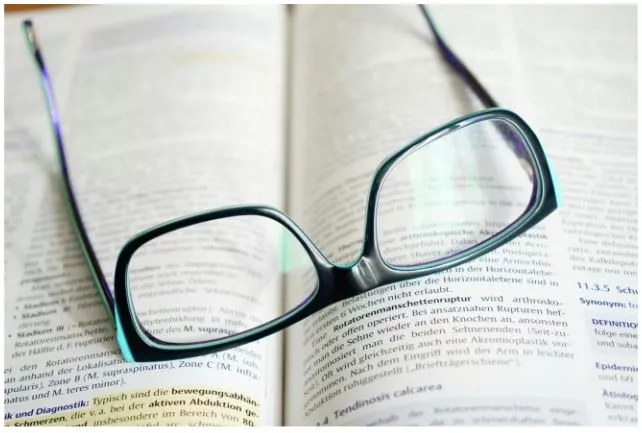
As both a corrective aid and personal accessory, eyewear continues to experience a surge in demand across various demographics. That makes the eyewear industry among the strongest on a global scale—one that’s currently set to grow in value from $200 billion to more than $320 billion between 2024 and the end of the decade.
Prescription or RX glasses comprise the product segment that arguably drives this industry forward the most. They generate over 70% of its revenue, with the demand for these products stemming from their ability to correct refractive errors such as myopia (nearsightedness), hyperopia (farsightedness), and astigmatism.
Of all the RX glasses currently available on the market, however, reading glasses or readers designed to address presbyopia (age-related farsightedness) are emerging as one of the fastest-growing segments of this billion-dollar industry. This shift can be attributed to a few key factors:
The silver tsunami
Similar to how frequent device use is increasing the need for glasses to correct myopia in children, aging populations the world over are resulting in more presbyopia diagnoses—and thus an increased need for readers. Presbyopia naturally occurs as the eyes age, reducing flexibility in the eyes’ crystalline lenses, preventing more light from passing through, and ultimately blurring one’s near vision. As a result, incurring the condition is virtually inevitable for those aged 40 and older.
With more of the populous Baby Boomer generation retiring—a phenomenon known as “the silver tsunami”—alongside the fact that an increasing number of Gen Xers and millennials are now aged over 40, global presbyopia prevalence is expected to rise from 1.8 billion to 2.1 billion by 2030. In the US alone, over 128 million or 90% of the country’s adults already have the condition. However, the number of presbyopia cases may rise even further, as chronic conditions like diabetes, the use of medications like antihistamines, and the excess screen time logged across age groups are also considered risk factors that can spur its development even in younger adults.
Though there are other treatment options for presbyopia, such as the use of contact lenses and pilocarpine eye drops as well as surgical procedures like intraocular lens replacement, readers are considered the simplest and least invasive way to address the condition. As such, this product can expect a rise in demand and sales as cases of presbyopia increase worldwide.
Improved lens technologies
To effectively correct presbyopic vision, readers use lenses that magnify what a wearer sees, which effectively enhances their near vision. Much like other types of RX glasses, these lenses can accommodate a number of magnification powers to suit a wide range of possible prescriptions. For a sleeker final product, many eyewear manufacturers leverage high-index lenses to condense stronger prescriptions into thinner lenses.
However, presbyopia can manifest differently per individual, making it crucial for the segment to provide various lens technologies to meet unique consumer needs. For instance, presbyopes may already have another existing refractive error at the time of diagnosis, necessitating multiple prescriptions. Others may seek readers that are more suited to their specific lifestyle habits, such as necessary device use for work and spending more time outdoors—factors that can lead to blue light and UV overexposure. The lens technologies available to address these factors are typically found in other eyewear products, such as multifocal prescription glasses, blue light glasses, and sunglasses. As such, more brands are increasingly integrating their features into their existing offerings for presbyopia.
For example, presbyopes can now procure readers with multifocal lenses and anti-glare lens coatings. The former can correct vision at multiple distances, while the latter is designed to alleviate the visual discomfort and eye strain caused by overexposure to blue light from digital displays. They can also buy reading sunglasses that provide 100% UV protection, making it easier for them to simultaneously benefit from UV protection and vision correction outdoors. Newer industry entrants, like Deep Optics, have introduced further innovations to eliminate the need to buy two separate pairs of eyewear for indoor and outdoor use. Its 32°N adaptive reading sunglasses use pixelated liquid crystal technology that can switch between “near vision” and “scenic” modes with a single swipe on the frames. With more technologies and innovations being introduced over time, presbyopes looking to get more out of their readers can find what they need. That demand will drive the growth of reading glasses in the industry even further.
Increased online availability
According to the Lancet Global Health Commission, over 510 million cases of unaddressed vision loss could have been prevented through the simple use of reading glasses. However, many individuals with presbyopia aren’t able to procure them. That’s chiefly an issue of accessibility. Cost, insurance, and transport are some of the most common barriers to eye care, especially in the US.
Depending on the kind of readers required, presbyopes may end up spending up to $300 for a single pair. They may also have to do so out-of-pocket: over two-thirds of American adults don’t have vision insurance because they require separate policies from traditional healthcare coverage. It can also be more expensive for those in rural areas to travel to the nearest eye care center just to purchase readers. Perhaps more importantly, older adults who are more likely to have presbyopia may also already have mobility impairments that make it difficult for them to buy readers in person.
Therefore, today’s retailers are stimulating the segment’s growth by making reading glasses more accessible—mainly by offering them online. Presbyopes who find it challenging to procure readers now only need a device, an internet connection, and a copy of their prescription to access websites like Readers.com. Here, they can easily select the magnification powers they need and browse lens types that would best suit their lifestyles, allowing them to peruse available technologies ranging from full magnification and blue light-blocking coatings to UV-protective and multifocal options. Additional frame finder and virtual try-on features can help them fit their chosen frames remotely. Online eyewear retailers even offer various discount codes and hold sales at different times of the year, helping buyers further slash out-of-pocket costs for readers. By providing these options, eyewear industry brands enhance the availability of reading glasses, streamline the process of procuring them, and ultimately assist the wider presbyopic population in surpassing barriers to access to increase sales—and further fuel the rapid growth of this segment of the eyewear industry.
Due to a rise in presbyopia cases, the introduction of new lens technologies, and the accessibility offered by eyewear websites, reading glasses are becoming one of the fastest-growing segments of the billion-dollar eyewear industry, and it's expected to grow in value from $15.5 billion to $23.5 billion between 2023 and 2030.
Keep reading here on TalkMarkets for more key industry insights.



Comments
Log in or sign up to join the conversation.