


It’s time for a weekend precious metals update. Last week was a busy one, with a flurry of economic data and speeches from Fed officials in addition to developments in the ongoing Iran war. The main theme was the continued surge in U.S. Treasury and other bond yields, along with the U.S. dollar, both of which exerted downward pressure on non-energy commodities, including precious metals. However, that trend may have reached an extreme, as I will show shortly.
There were several important U.S. employment reports last week, including the August Job Openings and Labor Turnover Survey (JOLTS) on Tuesday, the September ADP National Employment Report on Wednesday, and, most importantly, the September nonfarm payrolls report on Friday.
The JOLTS report showed that job openings fell by 256,000 to 7.079 million on the last day of August, below expectations of 7.225 million. The ADP report, however, showed that the private sector added 90,000 jobs in September, exceeding expectations of 68,000.
But the most important report, the nonfarm payrolls report, showed a gain of just 29,000 jobs in September, a major miss from expectations of 84,000. The unemployment rate also rose to 4.2%, above expectations of 4.1%. In addition, July payrolls were revised to a loss of 10,000 jobs from a previously reported gain of 21,000, while August payrolls were revised down to 133,000 from 162,000. Taken together, those revisions reduced previously reported employment gains by 60,000 jobs.
Meanwhile, on the inflation front, which the Fed is currently paying closer attention to than employment, the August Personal Consumption Expenditures (PCE) Price Index, released on Wednesday, rose 3.4% year over year, below expectations of 3.7%, providing some relief to the financial markets.
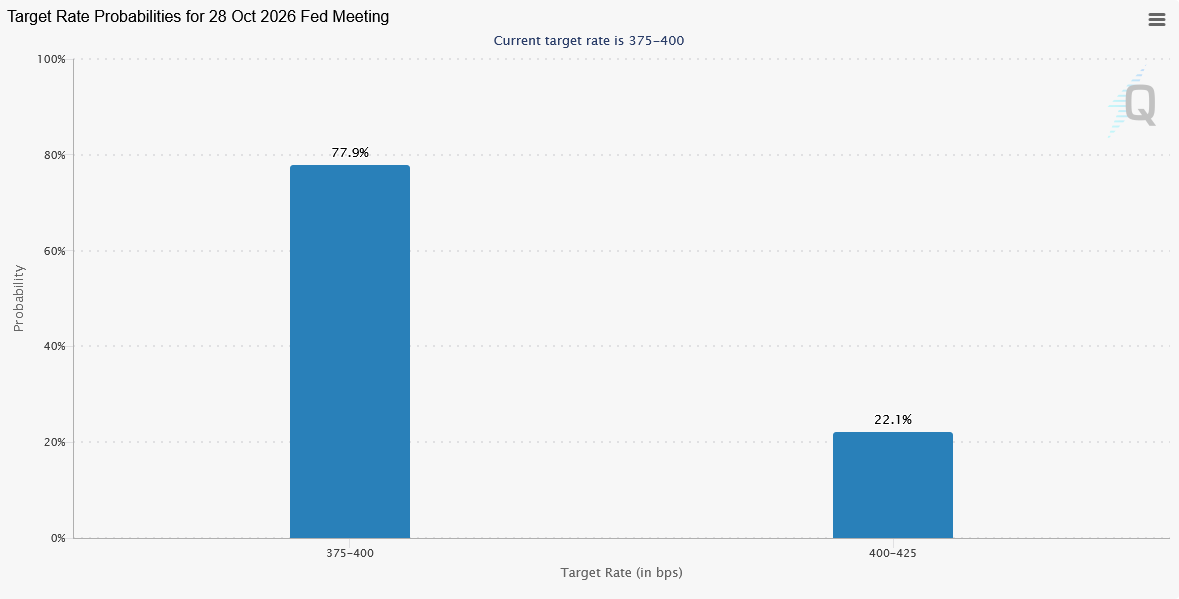
The combination of the weak nonfarm payrolls report, the cooler-than-expected PCE report, and New York Fed President John Williams’ comments on Tuesday that “with the policy action we took at our September meeting, there is no need for urgency” caused the odds of another 25-basis-point rate hike at the October 28 Fed meeting to plunge from roughly 71% to just 22%, according to the CME’s FedWatch Tool, as shown below.
Why all of this matters is that, in general, rising interest rate expectations tend to put downward pressure on precious metals and other non-energy commodities, which are non-yielding assets, while falling rate expectations tend to have the opposite effect. That makes the past week’s more dovish developments encouraging for precious metals investors.


Comments
Log in or sign up to join the conversation.