

Image Source: Unsplash
There have been a lot of surprises that nobody saw coming in the last year and a half. And one of the biggest sectors that has been affected is shipping. The entire industry has been upended and it is seeing some major changes as each month passes.
E-commerce stores are having record sales and the shipping companies are doing their best to keep up with the increase in demand. The trend towards buying online had been increasing steadily but the pandemic caused it to explode last year and it looks like it will continue this trajectory even as the pandemic begins to subside.
This has put a lot of pressure on shipping companies with them trying their best to find new ways to streamline the system to meet the surge in demand. In this article, we will go over what the coming year will be like for shipping and retail when the pandemic is over.
Fleets are growing
With the rise of online buying there naturally is a case of supply and demand. Increasing the demand means supply has to follow suit. But, shipping times were very slow last year since the demand far outpaced the supply and ability to get the supply where it needed to go in a timely manner.
Many shipping companies are growing their fleets so there is no shortage of International trucks to avoid any shipping delays.
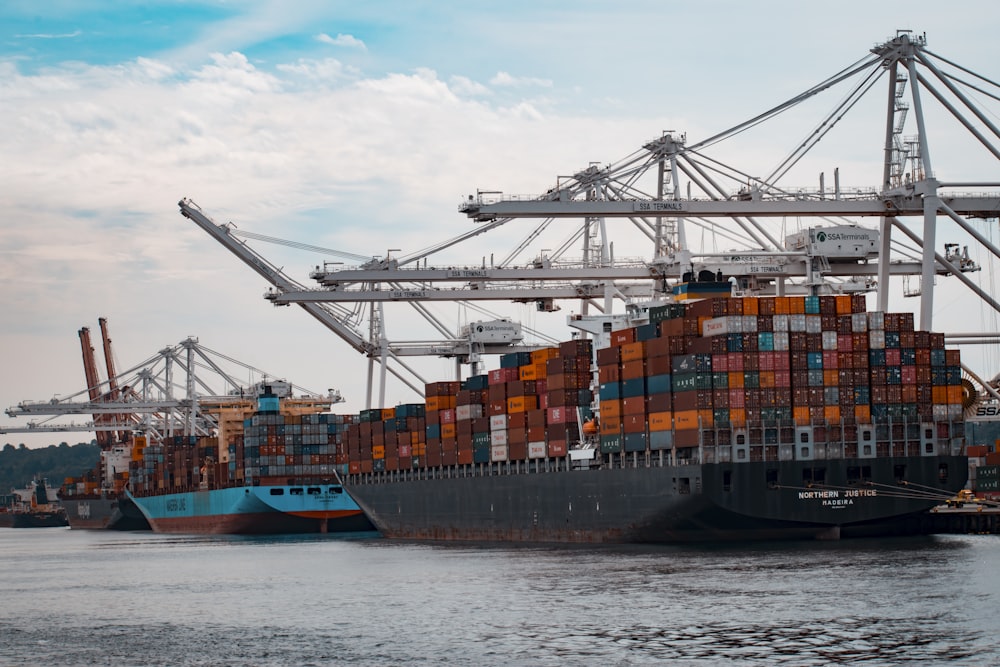
All across the board in the supply chain, there has been an increase in infrastructure needed to get products to warehouses and then to the customer. Even container companies are adding ships to keep up with the demand this year since there was not enough capacity to handle the surge.
There were delays that meant that customers would have to wait weeks to get their order.
More flexibility
There are so many moving parts involved in the shipping industry that when one segment of the supply chain goes haywire, it throws off the entire thing. With a global pandemic, there were usually several segments of the chain that went under and this is how we ended up seeing unbelievable delays.
There will be issues in the future even after the pandemic is over that will cause similar problems. The lesson learned from this is that flexibility is key to overcoming the hurdles that will inevitably pop up.
It isn’t just the shipping industry that needs to have some built in flexibility in their system. Retailers will have to also be flexible. For instance, they will need to diversify in the face of their shipping partners as well as suppliers.
During this crisis, it was apparent that having one source for products and one shipping partner was far too narrow and didn’t allow the retailers to pivot when necessary. Although, it is often the case that one set of problems will affect all the players, some shippers may be affected less than others.
Shippers should be looking at having other routes besides the ones they always use. In case of natural disasters or wild weather, then there will be less of a delay when an alternate route can be used.
Sustainable delivery systems
Even though the world has steadily been taking on measures to abate the onset of climate change by focusing on sustainability, the shipping industry lags behind. Since climate change is going to be affecting the shipping industry directly it makes sense that they would also be looking at ways to change the way they do things.
In fact, climate change is already playing a part in many delays in shipping. Monsoons are stronger than ever and political instability in fragile regions is starting to affect the supply chain which has been exacerbated by turmoil caused by climate change.
A simple fact is that consumers are already changing their shopping habits based on their desire to make positive changes in the environment and this is impacting everything from manufacturing to shipping. The plastics issue is a big factor in the decisions people are making as consumers so shipping companies need to take notice.
Recyclable and compostable packaging is a must these days. As are vehicles that have a low carbon footprint. It is difficult and expensive for a shipping company to change their fleet to electric or hybrid vehicles, so offering a carbon neutral experience can also gain customer loyalty. This can involve investing in solutions for reducing carbon emissions.
The Internet of Things will grow
Logistics has been at the heart of shipping for hundreds of years. Now it is more important than ever to get the logistics right since there are so many facets. With demand surging for online shopping, the pressure on getting the logistics right is increasing dramatically.
The Internet of Things has automated much of the process and we should expect to see it continue to take on more of it. With technology improving it will be far more efficient than it is now. Things like battery life of the devices, better and longer communication range and lower prices as the technology is adopted will all contribute to a much more effective system.
One of the big factors to making the chain more effective is data collection and real time tracking. With a solid Plan B for flexibility, decisions can be made on the fly as there is a clear picture of how things are going in real time.
Something that had been holding the IoT from being adopted was the training involved and the devices becoming outdated too rapidly. These days there is better accessibility to the IoT that makes it more likely to be picked up en masse. Together with advances in Big Data, there is a bigger web being created that allows for more flexibility in the process than ever before.
Conclusion
If there is any silver lining to be found in the past year and half it is that the pandemic has allowed people to see the weaknesses in the system and find ways to make it better for the future.
Keep an eye out on the changes as there will likely be some surprises in store.



Comments
Log in or sign up to join the conversation.