

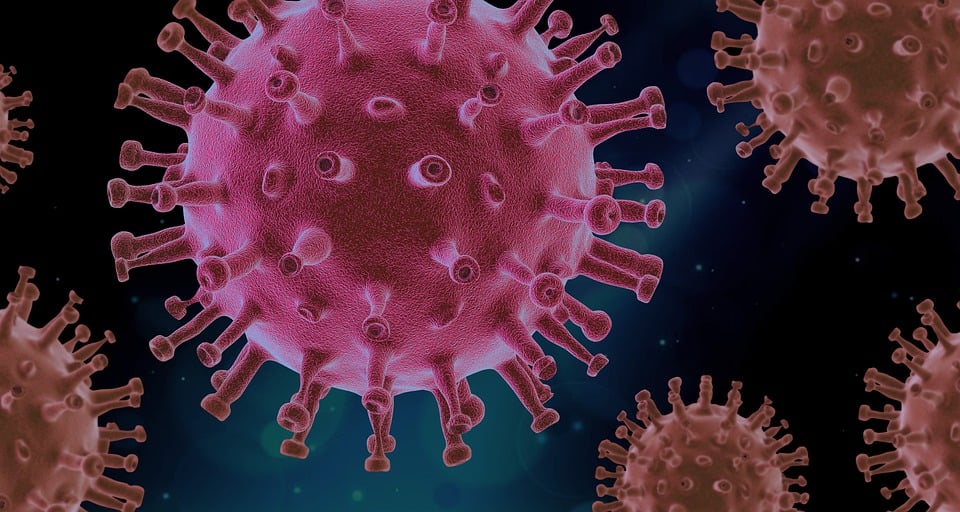
Vaccination is the first and most effective way to protect a person from a disease or illness. Some vaccines are only effective for a certain amount of time. They may lose their potency at that point, so the body might become vulnerable to the disease again.
Booster Shot
Depending on the kind of vaccine a person got, they may be required to get a booster shot. Essentially, the vaccine is the first shot that builds immunity to a virus or bacteria. The booster is the second shot that preserves immunity while the initial resistance wears off.
Vaccine Vs. Booster Shot
There might be some confusion on the difference between a vaccine and a booster shot. Here are some ideas on how the two differ from each other:
- Vaccine
A vaccine trains the immune system to identify and combat pathogens, such as viruses or bacteria. To do this, pathogen molecules, known as antigens, must be injected into the body in order to elicit an immune reaction.
By permitting these antigens into the body, the immune system would be able to identify them as aggressive invaders. The body would then produce antibodies to remember the antigens and combat them in the future.
If the bacteria or virus resurfaces, the immune system could automatically identify the antigens and launch an offensive attack long before the pathogen does. This process could also help the body in avoiding illness.
Some vaccines could be effective on a life-long basis like the hepatitis vaccine. This means that the body won’t need it again. But there are also vaccines like the tetanus vaccine that’s only effective for a specific amount of time.
- Booster Shot
In certain cases, the body’s immune system will require a ‘boost’ from time to time to maintain the levels of antibodies required to combat viruses. There have been cases of disease outbreaks in people who had been immunized as infants. This shows that some vaccines are not reliable for a lifetime basis after it has been administered once. Some vaccines will need to be boosted on a regular basis.
The booster shot is often used as a stimulant to keep the antibodies that were formed during the initial vaccination active. Since many of the cells that were formed during initial vaccination don’t undergo mitosis, they eventually die after the first dose of the vaccine. Hence, there’s a need for a periodical booster shot to promote the growth of new cells to combat the disease.
Probable Side Effects
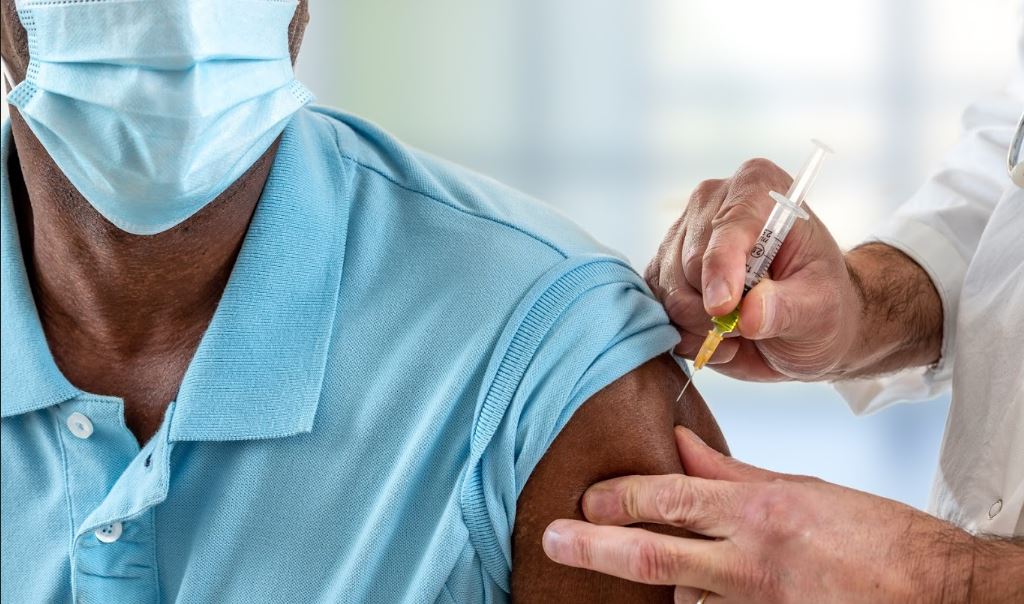
Though booster shots may be beneficial in certain situations, they could also cause complications and side effects. For instance, a patient who already has a high level of antibodies could possibly develop an adverse reaction to the booster.
Any of the complications associated with the original vaccine may be reintroduced by the booster shots. Since these are injections, if the shot is administered in the wrong spot, the patient could suffer arm and shoulder injuries. Furthermore, the patient could also experience an allergic reaction to the vaccine’s contents, which may be serious in extreme cases.
Summary
The booster shot is a supplementary dose of vaccine to prolong the body’s immunity to certain viruses. It may help in the prevention of the spread of diseases such as Hepatitis and the Coronavirus. Booster shots are also different from vaccines though they have the same goal of combating viruses. There are also side effects associated with it.



Comments
Log in or sign up to join the conversation.