

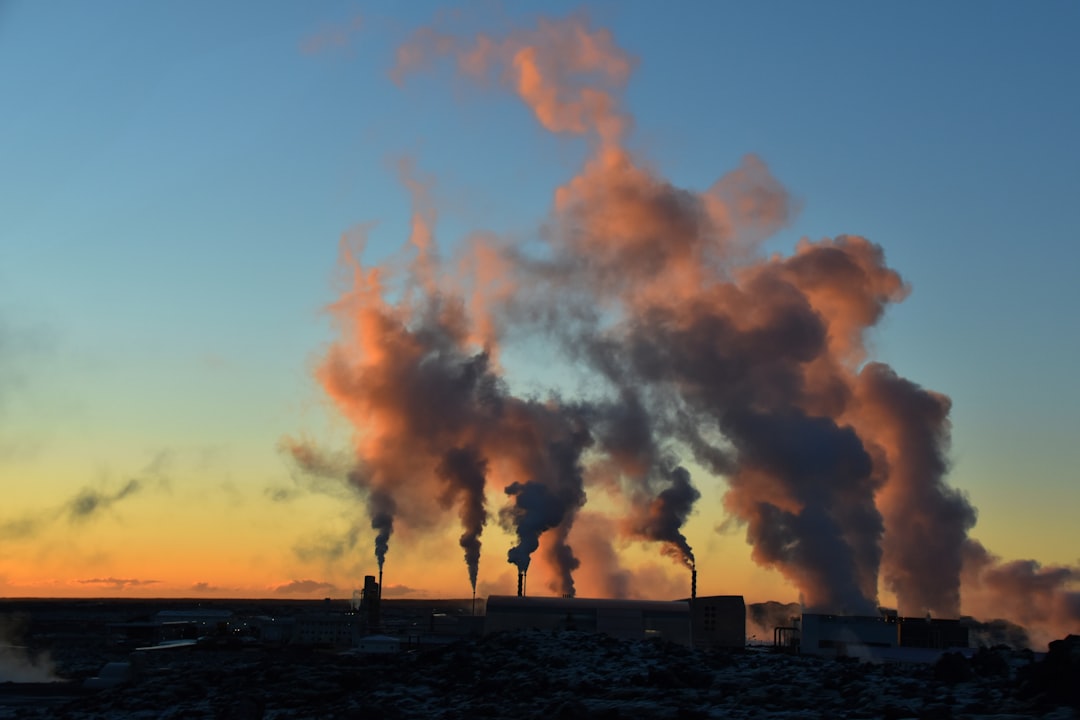
The global energy map is being redrawn by the world’s superpowers around their resource supplies. This transformation is being driven by a national security necessity, not by choice.
As geopolitical instability ripples across the globe from the ongoing war in Iran through tensions in the Middle East and emerging market tensions in Latin America, the fragility of the global energy supply chain is increasingly apparent.
For decades, the “energy security” conversation was driven by fossil fuel reserves and the protection of maritime chokepoints along with transportation channels. And while that discussion is valid, and oil isn’t going away as a fuel source today, the narrative is shifting toward permanent domestic energy independence.
Last week, the market sent a clear signal that the future of this permanence might lie beneath our feet. While Houston-based Fervo Energy’s (FRVO) initial public offering, debuting with a valuation of approximately $7.7 billion was a victory for such an innovative company, it was also a milestone for the entire geothermal sector.
“It’s a real signal of confidence to the industry,” noted Kate Adie, a research analyst at Wood MacKenzie. Highlighting that this development for geothermal “can be repeatable, and it can be scalable.”
Fervo’s decision to go public builds on the momentum that similar companies like Ormat Technologies (ORA), another alternative and renewable geothermal energy technology, has experienced since its IPO in 2004.
Beyond AI Hype and Moving Toward Reliable Energy
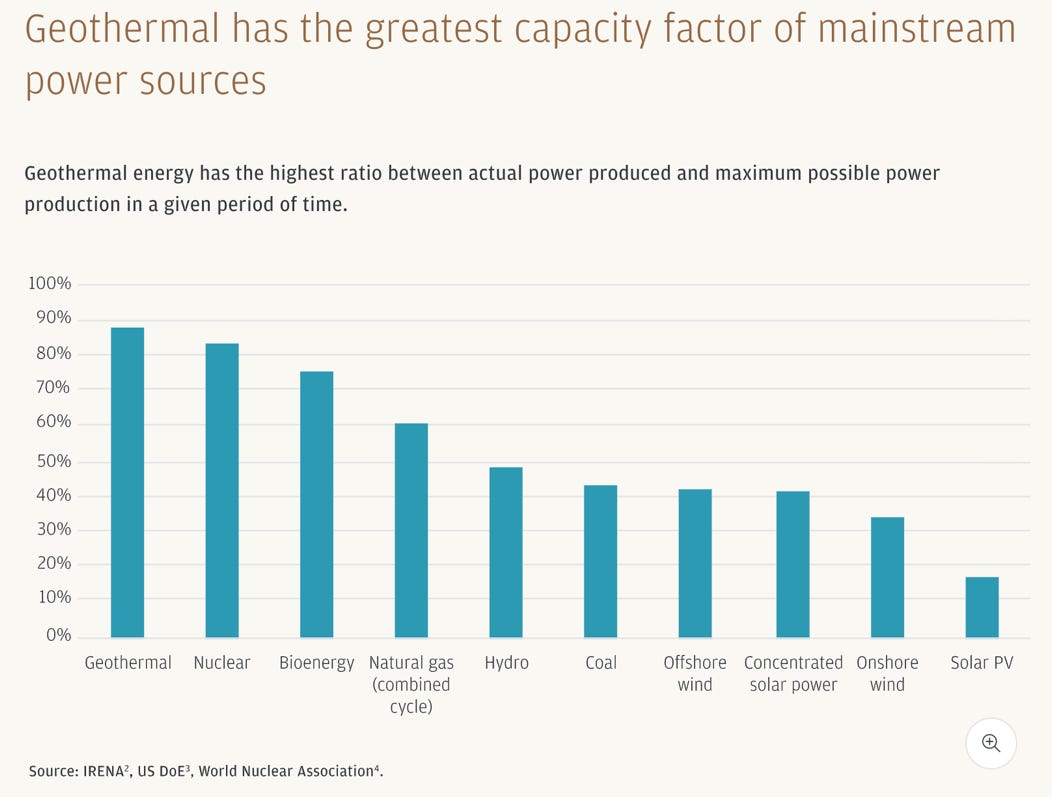
Geothermal energy uses heat beneath the earth’s surface to generate electricity, offering power that does not depend on weather, daylight, or imported fuel.
Much of the recent investor attention around geothermal has been tied to the insatiable power demands of Artificial Intelligence (AI) and their data centers. Fervo’s power agreements with Alphabet (GOOGL)’s Google, Southern California Edison (EIX), and Shell (SHEL) show why geothermal is gaining traction from large energy users. But geothermal is more than a “tech-support” or data center story.
As populations from states like Utah in the U.S. to countries like Indonesia swell and urban centers face mounting energy generation deficits, reliable global solutions that aren’t dependent on the sun or fragile fuel supply chains are imperative. Increasingly, “baseload“ power that can reliably run 24/7 throughout the year is needed to meet growing energy demand. According to the International Energy Agency, with continued technology improvements and reductions in project costs, geothermal energy could power up to 15% of global electricity demand growth to 2050.
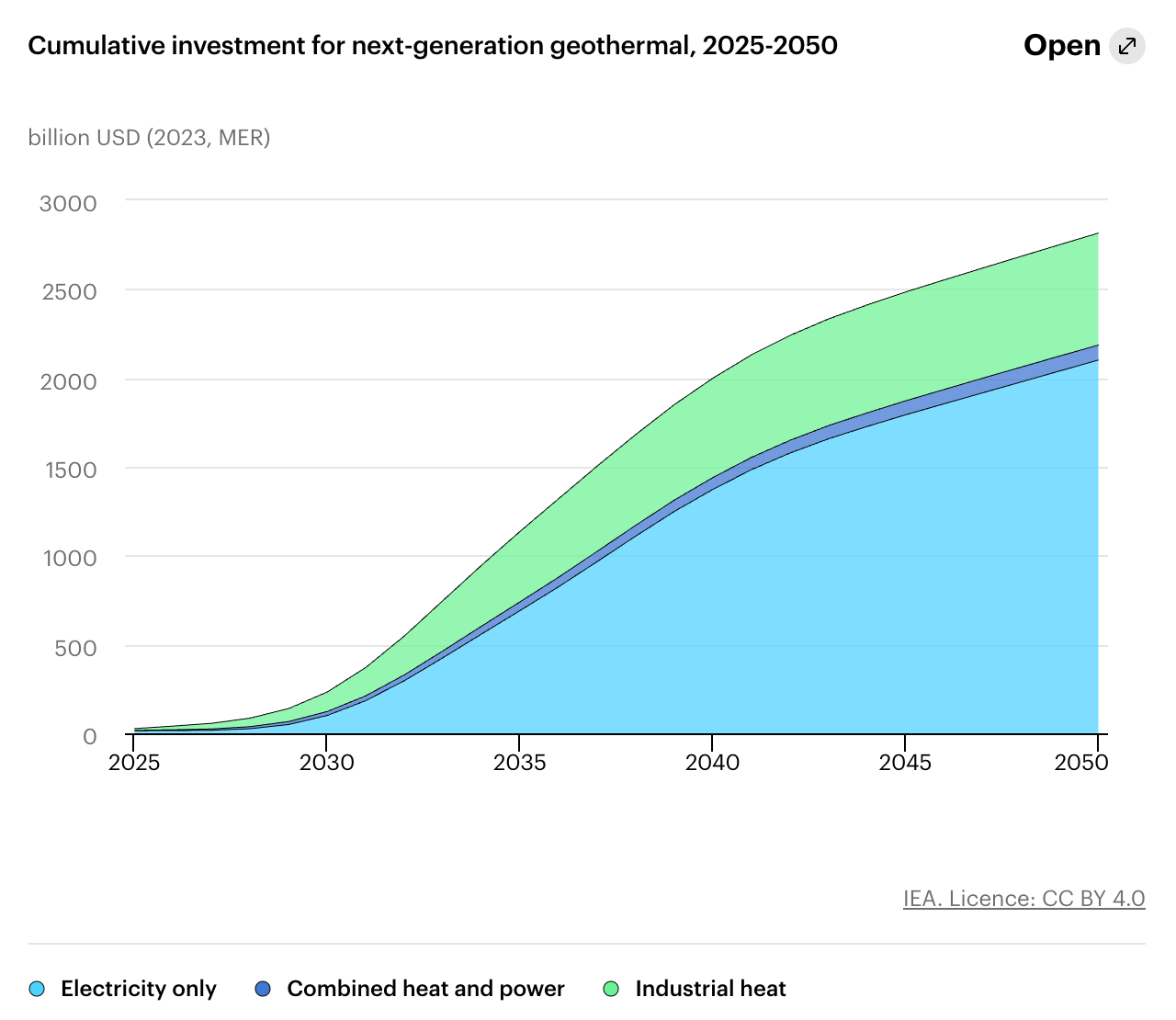
International Energy Agency (IEA)
Geothermal offers a unique domestic solution to these booming needs. While the U.S. is just beginning to tap into this potential, other nations are already proving its efficacy. Stretching from Kenya, which currently relies on geothermal for nearly half of its power, the highest rate in the world, to New Zealand, which derives one-fifth of its electricity from the earth’s heat, the drive to unlock exponential energy gains in geothermal is real.
Efficiency and Resiliency in the Energy Grid
The benefits of this innovative technology also extend beyond energy generation. According to a 2023 report from the U.S. Department of Energy (DOE), the widespread adoption of geothermal heat pumps could eliminate the need for 24,500 miles of new grid transmission lines. Reducing that barrier for communities often reluctant to having new substations and powerlines running through their neighborhoods, could prove to be a major catalyst. To put the scale of adoption in perspective, it is the equivalent of crossing the United States eight times over.
In an era where infrastructure costs are skyrocketing, energy ratepayers are stretched thin and permitting for new lines can take well over a decade, the ability to optimize the existing grid through geothermal adoption is a massive economic lever – and an opportunity for strategic investors.
Comments
Log in or sign up to join the conversation.