

Image Source: DepositPhotos
The Supreme Court ruled Friday that President Donald Trump does not have the legal authority to impose sweeping global tariffs without congressional approval.
The 6-3 decision concerned tariffs imposed under an emergency powers law, including "reciprocal" tariffs that Trump levied on nearly every other country.'
At this point, whether or not tariffs need to be refunded has not been ruled on.
It's early in the process, but these are some basic details and potential ramifications...
Key Takeaways: Supreme Court Tariff Ruling
• Tariffs function as a tax. They raise consumer prices while generating government revenue. Striking them down reverses both forces.
• Refunds would widen the deficit. Returning collected tariffs means new federal outlays, likely increasing Treasury issuance and pressuring long-term rates.
• No refunds = smaller fiscal shock. The deficit still worsens as tariff revenue disappears, but without a disruptive one-time cash event.
• Disinflationary impulse emerges. Removing tariffs lowers embedded import costs, potentially easing goods inflation and inflation expectations.
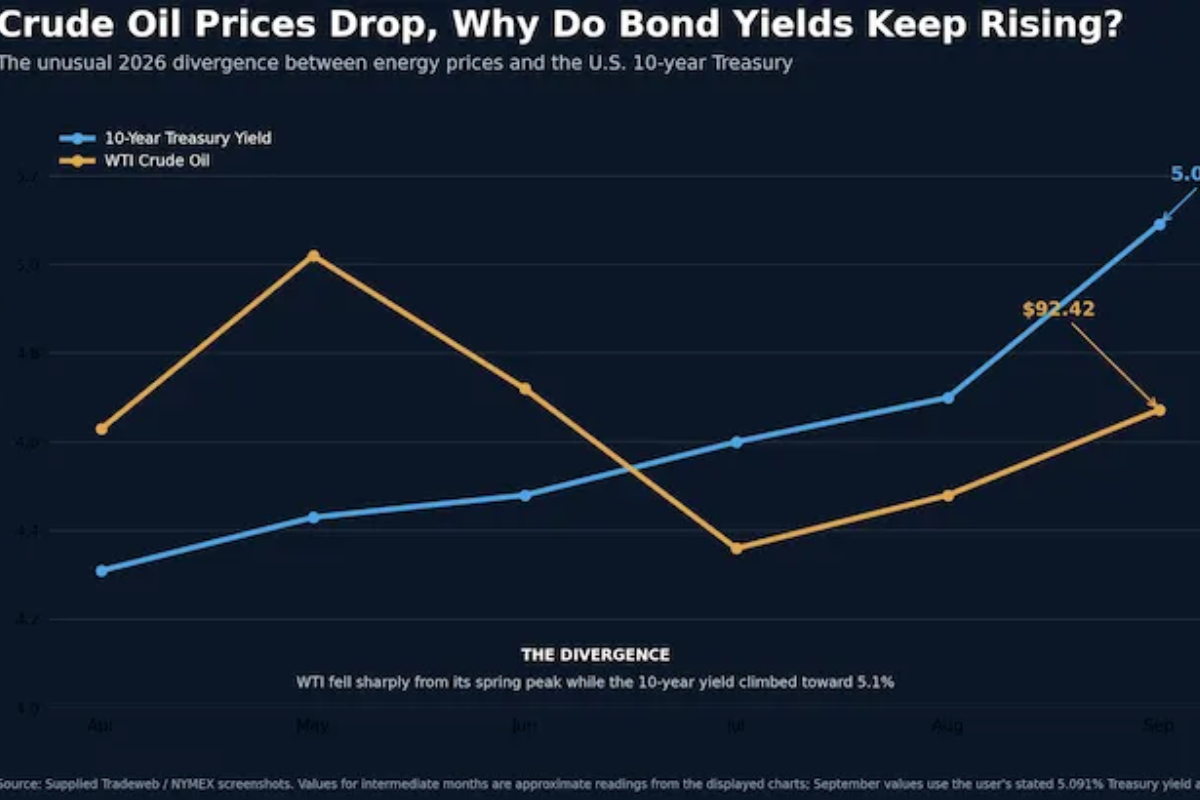
• Rates face opposing forces. Lower inflation pulls yields down; larger deficits and borrowing needs push longer-term yields up.
• Yield curve impact. Refund scenarios increase the probability of curve steepening and rate volatility.
• Markets will price credibility and scale. The size, timing, and mechanics of any refunds will determine whether inflation relief or deficit risk dominates.
Stay tuned!
Comments
Log in or sign up to join the conversation.