

Softer U.S. Inflation Helps FTSE Recover as Oil and Miners Support
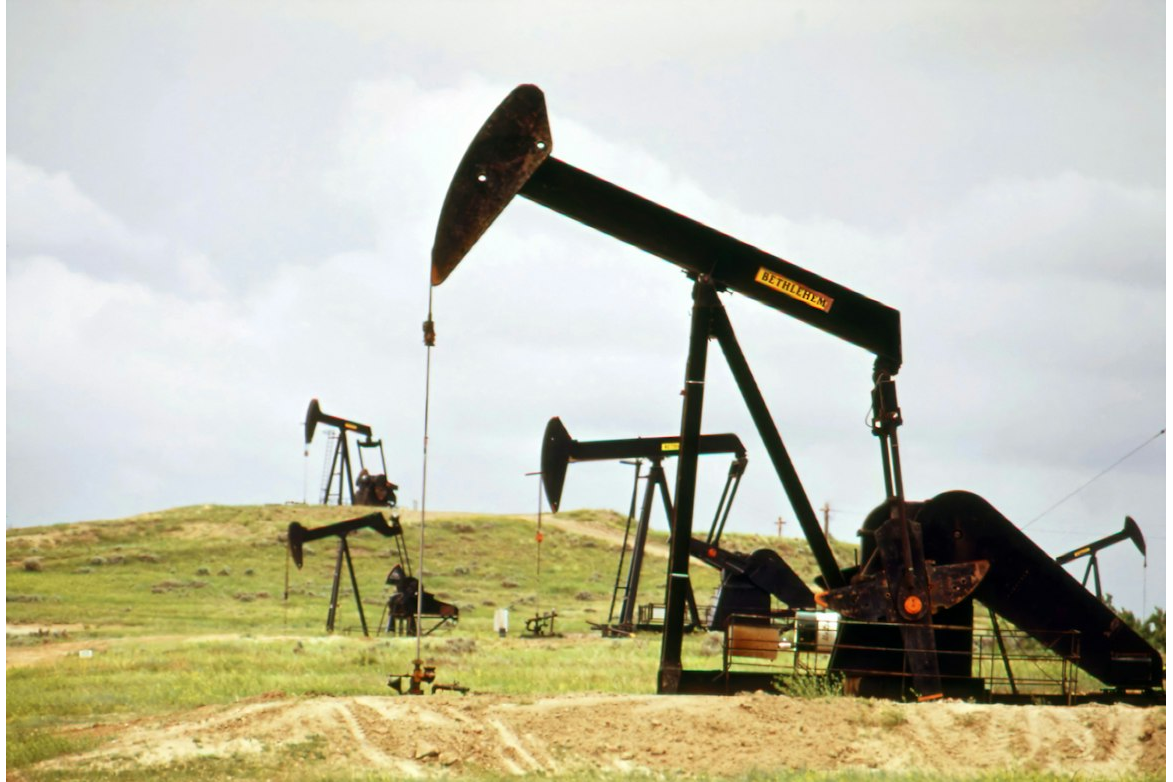
London gained modest ground on Tuesday after an initially cautious start gave way to improved risk appetite following softer-than-expected U.S. inflation data. Early trading was dominated by concerns over rising U.S.-Iran tensions, higher oil prices, and the risk that renewed energy pressure could keep central banks hawkish. But the tone improved once the U.S. inflation print came in below expectations, easing rate-hike anxiety stateside and helping global equities stabilise. The FTSE 100’s move was not broad-based, but it was enough to keep the index positive. Energy, miners and selected defensives provided the main support, while travel, media, property, housebuilders and financials came under pressure. The result was a market that looked firmer at the index level but was still cautious underneath. Oil remained a key driver. BP (BP) rose 2.3%, and Shell (SHEL) gained 1.6% as crude prices climbed on continued fears that the U.S.-Iran conflict could disrupt supply and shipping through the Strait of Hormuz. The Middle East risk premium remains firmly embedded after the U.S. launched fresh strikes against Iran and Iran responded by targeting Gulf states and vessels near the critical waterway. For the FTSE, higher oil is still a mechanical support because Shell and BP carry large index weights. But the broader macro interpretation remains more complicated. Higher oil prices can boost energy earnings, but it also raises input costs, shipping costs, and inflation expectations. That is why early sentiment was weak: investors worried that another oil shock could delay central-bank easing or even revive near-term tightening fears. The softer U.S. inflation data helped change that narrative. A below-consensus U.S. print reduced anxiety that the Federal Reserve would need to lean more hawkishly into the energy shock. Bond yields moved lower, and that helped support risk assets, including UK equities. Lower yields also gave investors some comfort that markets may be able to absorb higher oil prices without a full rates-led sell-off. Still, the UK policy backdrop remains more difficult than the U.S. one. The Bank of England is dealing with weaker domestic activity, sticky inflation risks and a highly energy-sensitive economy. If oil keeps rising, headline inflation may move higher in the near term. But because the UK is a net energy importer with weak productivity and already tight financial conditions, the bigger medium-term effect may be weaker demand and lower inflation further out. That keeps the “no hawk, no hike” logic alive: oil shocks may look hawkish immediately, but they can become dovish if they squeeze real incomes hard enough.
Miners added support. Glencore, Rio Tinto (RIO), Anglo American (AAL) and Antofagasta gained between 0.8% and 1.8%, helped by a stronger tone in commodities and improved global risk appetite after the U.S. inflation data. The sector has been an important stabiliser for the FTSE over recent sessions, offsetting weakness in healthcare, consumer and domestic cyclicals. Other gainers included Centrica, Vodafone (VOD), Airtel Africa, IMI, Sainsbury’s, Abrdn, SSE (SSE), Tesco (TSCO) and Weir Group. Vodafone’s strength continued after last week’s major shareholder development involving e& and Xavier Niel’s investment vehicle, which has revived hopes of strategic change and better capital discipline. The resilience in supermarkets and utilities suggested investors still want defensive cash flows, even while adding selective commodity exposure.
But the weakness list was long. InterContinental Hotels Group (IHG) fell 3.7%, while Pearson, Melrose, 3i Group, RELX (RELX), Informa, IAG, Barratt Redrow, Lion Finance, Persimmon and NatWest (NWG) lost between 2% and 2.8%. Diageo, Howden Joinery, Burberry, Rolls-Royce, Admiral, Convatec, Tritax Big Box and LSEG shed between 1.4% and 2%. The decline in IAG and InterContinental Hotels reflected renewed caution around travel and leisure. Higher oil prices increase fuel-cost pressure for airlines, while Middle East tensions can disrupt routes, insurance costs and consumer confidence. That contrasted with recent deal-driven enthusiasm in easyJet, showing that takeover speculation can support individual names, but the sector’s operating backdrop remains vulnerable. Housebuilders were also weak, with Barratt, Redrow and Persimmon falling despite recent signs of tentative stabilisation in housing expectations. The pressure reflected the market’s sensitivity to rates, consumer confidence and real incomes. If higher energy prices squeeze households, the housing recovery becomes harder to sustain, even if longer-term rate expectations eventually move lower. British Land declined about 2% despite reporting strong leasing activity in the first quarter of fiscal 2027. The reaction showed that investors remain cautious on property even when operational updates are decent. Higher yields, funding costs and uncertainty around tenant demand continue to weigh on the sector. For real estate, good leasing data helps, but they do not fully offset the pressure from still-elevated discount rates.
Retail data added another domestic caution signal. The British Retail Consortium reported that UK like-for-like retail sales rose 1.7% year-on-year in June, below market expectations for a 2.9% gain and down from 3.4% in May. It was the softest growth since February. The report suggests consumers are becoming more selective after a period of stronger spending. With services activity contracting, construction weak and energy costs rising again, the slowdown in retail sales growth reinforces the view that the UK economy is losing momentum. Supermarkets such as Tesco and Sainsbury’s still gained, but broader consumer discretionary names remained under pressure.
The data also matters for the incoming government. Andy Burnham remains on course for an unopposed path to the Labour leadership, with the nomination window closing on 16 July. If no challenger emerges, markets expect him to become Labour leader on 17 July and prime minister on 20 July. The focus is already shifting to the Chancellor appointment and the fiscal agenda. That agenda is constrained. The OBR has warned that long-term debt dynamics could become unsustainable without policy action, while HMRC’s latest tax-gap data showed £59.2 billion of tax owed but not collected in 2024/25. Better compliance through AI and data analytics could offer the next Chancellor a politically easier revenue route than broad tax rises, but markets will still demand a credible plan for spending, investment and gilt supply. The FPC’s leverage reform proposal remains a modest supportive factor for gilts and banks. The proposed changes to the UK leverage buffer stack could generate around £34 billion of effective gilt demand across domestic systemically important banks and roughly £1.1 billion in annual fiscal savings. That helps at the margin, but it is not enough to neutralise the bigger fiscal and geopolitical risks facing UK assets.
Finish Line: The FTSE 100 gained modestly after softer-than-expected U.S. inflation data eased global rate anxiety and helped offset early caution from U.S.-Iran tensions. BP, Shell and miners led the support as oil and commodities rose, while travel, media, property, housebuilders and selected financials weakened. UK retail sales growth slowed to its weakest pace since February, reinforcing the soft domestic demand story. For now, London remains stuck in a narrow balance: lower U.S. yields are helping risk appetite, but higher oil, fragile consumers and political transition risk continue to cap conviction.
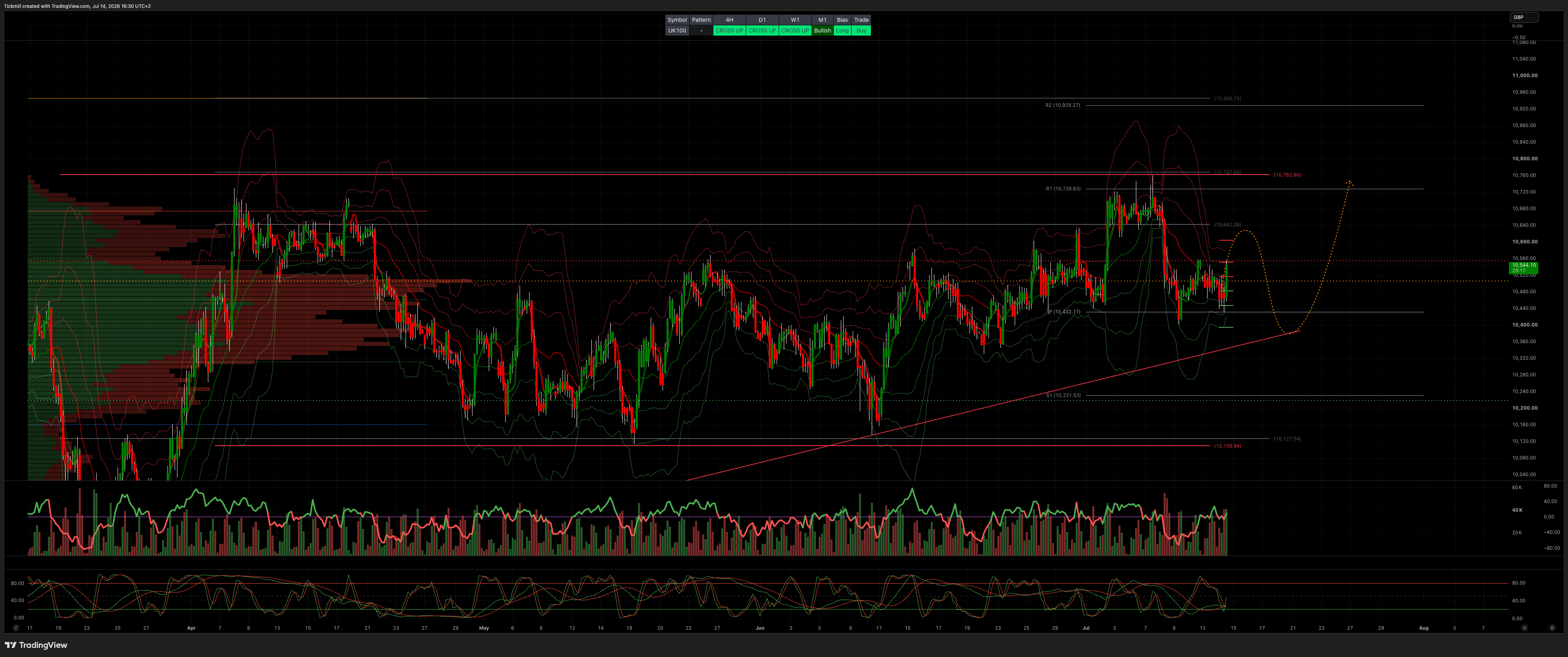
TECHNICAL & TRADE VIEW – FTSE100
Daily VWAP Bearish > Bullish
Weekly VWAP Bearish> Bullish
Above 10300 Target 11000
Below 10100 Target 9469
Comments
Log in or sign up to join the conversation.