

Treasury Secretary Scott Bessent warned at a Breitbart News event in Washington on September 8, 2026, that the United States would face severe consequences if China prevailed in the artificial-intelligence race.
He portrayed the contest as one in which a large US defense budget would not compensate for China pulling ahead in AI. The remarks place AI competition at the center of Washington’s concern over China’s technological advances.
Scott Bessent Projects US Will Control 80% of Global AI Compute by 2028

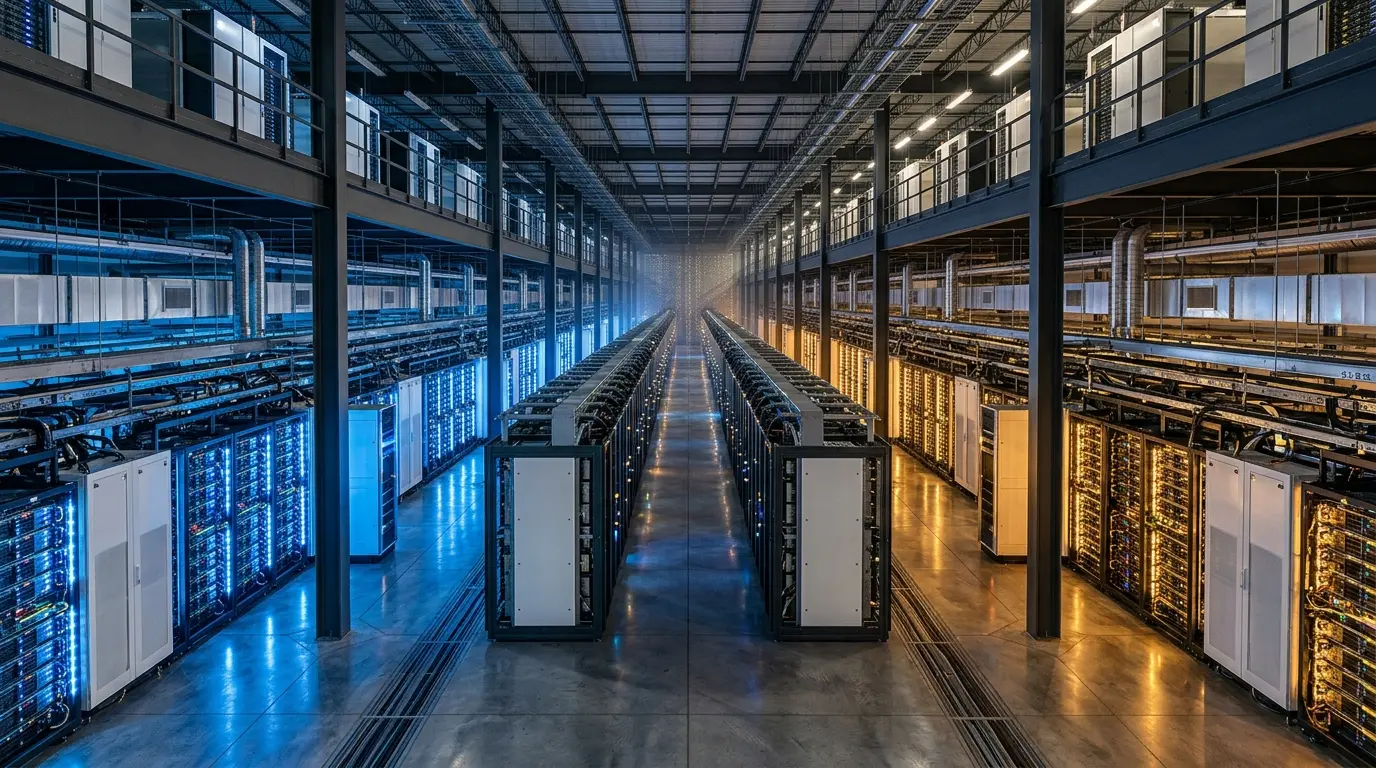
AI Computer by Pixaby
At a Charlotte City Club discussion on September 2, Bessent projected that the United States would control 80% of global computing power by 2028, up from about 60% in 2025. He made the projection during a fireside conversation with Larry Kudlow and linked the expected increase to the administration’s regulatory, tax and energy policies.
Bessent described the US as holding roughly a six-month lead over Beijing in AI compute capacity. The same report presented the 80% figure as a projection, rather than as an independently established measurement of global market share.
In Washington, Bessent emphasized the consequences of losing the AI race. In Charlotte, he described a goal for the US share of global computing power and connected it with the administration’s broader policy approach.
Reading the accounts together does not make the target a confirmed outcome; it identifies it as an attributed policy ambition.
What Closing the Gap Would Actually Require
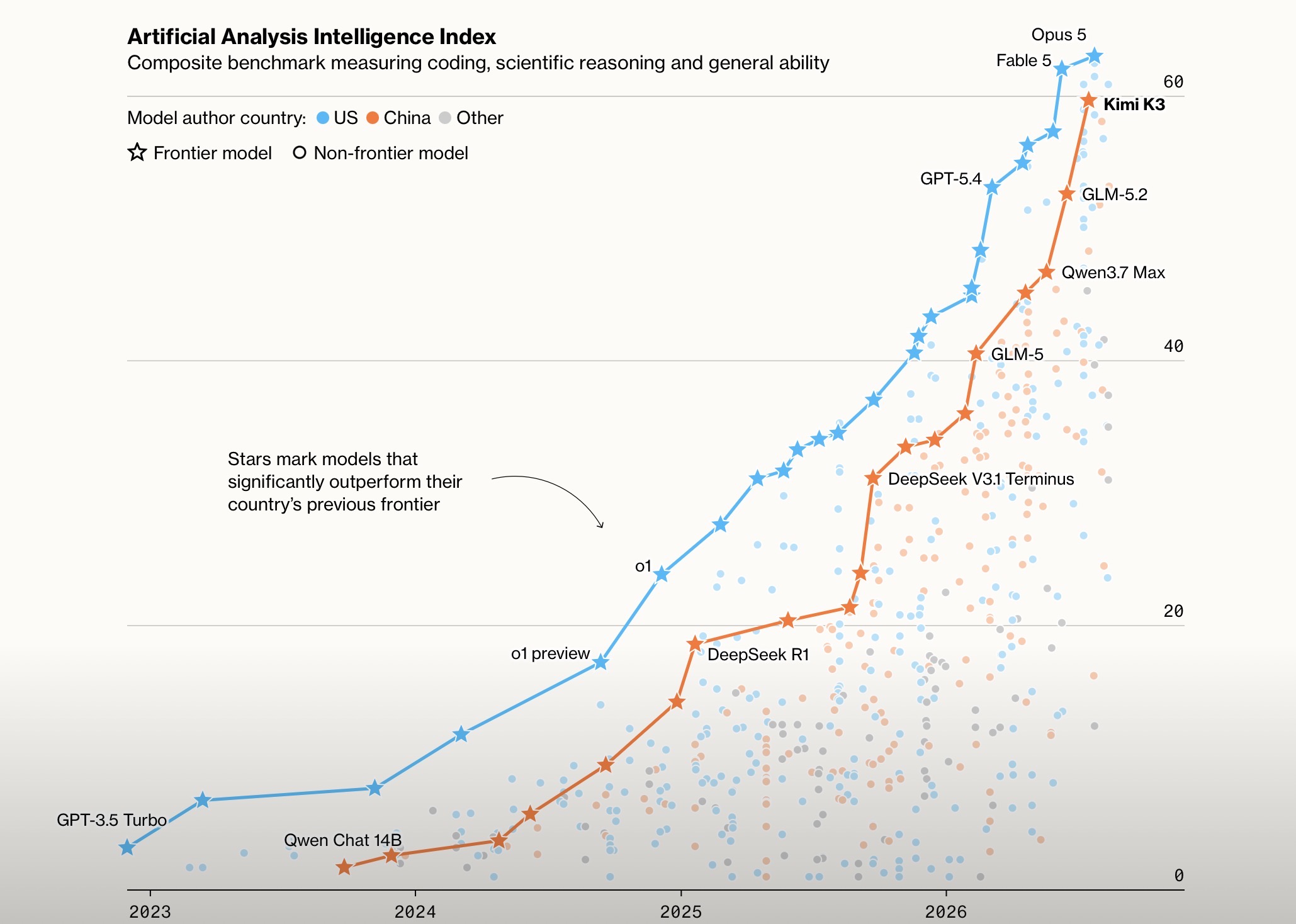
Artificial Analysis Intelligence Index Artificial Analysis
Compute capacity is fundamentally a matter of domestic AI investment and policy. Reaching the stated target would require a policy environment intended to accelerate domestic data-center construction. Nvidia (NVDA) stands out as a major supplier of AI training and inference chips used in that buildout, but this infrastructure context doesn’t establish that Bessent personally prescribed a specific construction or grid strategy. It simply illustrates the landscape surrounding the compute objective.
Limits also exist on using any single company’s metrics to judge the broader thesis. Nvidia does not publicly break out the portion of its data-center revenue derived specifically from US hyperscalers. That gap means company revenue alone cannot confirm whether the United States is approaching the projected global-compute share.
The 2028 objective further hinges on the distinction between a policy target and measured installed capacity. The expected trajectory is tied to regulatory, tax and energy policies, but no independent methodology verifies either the 60% starting point or the 80% endpoint. That leaves the projection useful as a signal of policy intent, while limiting how far it can be treated as a settled market metric.


Comments
Log in or sign up to join the conversation.