


Rosenberg's odd stagflation scenario is a recession in 12 months, with rising inflation, but cooling commodities.
Bullet to the Forehead
David Rosenberg, chief economist and strategist at Gluskin Sheff & Associates Inc., says US Recession in 12 Months, S&P 500 Has Peaked.
“Cycles die, and you know how they die?” Rosenberg told the Inside ETFs Canada conference in Montreal on Thursday. “Because the Fed puts a bullet in its forehead.”
The market is in a classic late cycle, with wages rising at full employment, cooling commodities and potential trade wars, said Rosenberg, who was one of the first economists to warn of the Great Recession when he was at Merrill Lynch before the financial crisis. The result will be higher inflation, he said.
“We are seeing a significant shift in the markets,” he said. “The Fed was responsible for 1,000 rally points this cycle so we have to pay attention to what happens when the movie runs backward.”
If you don't think this is enough to cause a recession, take note that the Fed tightened 425 bps from 2004 to 2006, by 350 basis points prior to the 2000 downturn, and by nearly 400 basis points in the lead up to the 1990 pullback. <2/2>
— David Rosenberg (@EconguyRosie) June 21, 2018
The header image is from Lance Robert's April 20, Weekend Reading: The Return of Stagflation.
Strange Stagflationary Mix
Rising inflation and a cooling economy is a strange mix. It seems he is counting on higher wages. But will wages keep rising in a recession? Will prices keep rising if commodities cool?
Rising inflation coupled with a recession is the definition of stagflation. But in Rosenberg's strange mix, stagflation will be accompanied with falling commodity prices.
The stagflation in the 1970s was accompanied with rising commodity costs and "oil shock".
Deflationary Setup
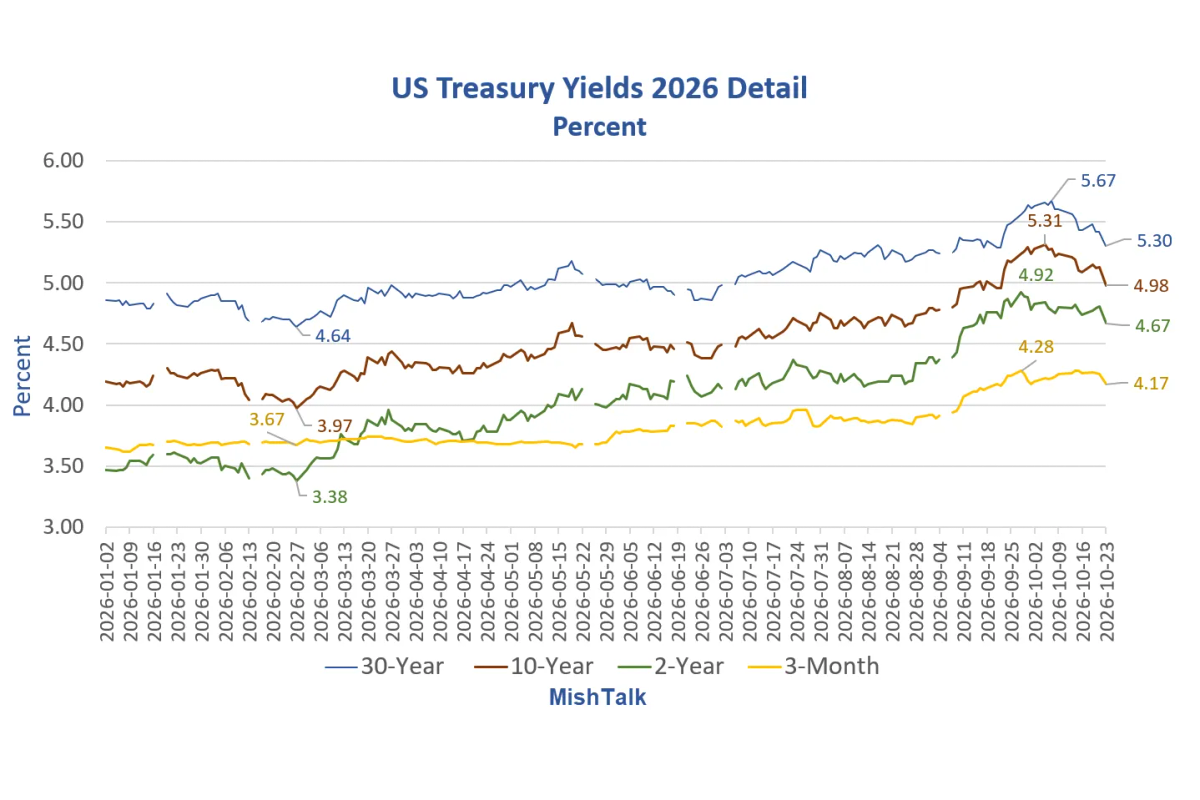
I believe inflation concerns will quickly go the other way once recession hits. The bond market sure acts that way
Comments
Log in or sign up to join the conversation.