


Summary
US equities saw a sharp divergence in October, with major tech indices falling while the Dow Jones posted gains.
Gold experienced a significant monthly decline of over 7%, while the US Dollar Index strengthened.
November's market direction hinges on crucial economic data, including inflation and jobs reports, and ongoing geopolitical tensions.
Why Did the Market See Such Divergent Performance in October?
October proved to be a month of contrasting fortunes across global markets, primarily driven by a reassessment of artificial intelligence (AI) investment cycles and persistent inflation concerns. While a narrow band of mega-cap technology stocks faced selling pressure, the broader market, as reflected by the S&P 500 Equal Weight Index, showed resilience. This divergence highlighted investors' increasing selectivity and a rotation away from growth-oriented tech into other sectors.
Equities: Tech Pullback Contrasts with Dow's Resilience
US equity markets presented a mixed picture in October as investors navigated shifting sentiment around technology and growth. The S&P 500 Index declined by 0.9% for the month, closing at 7,580.07 on October 31, 2026, reflecting weakness among its largest components.
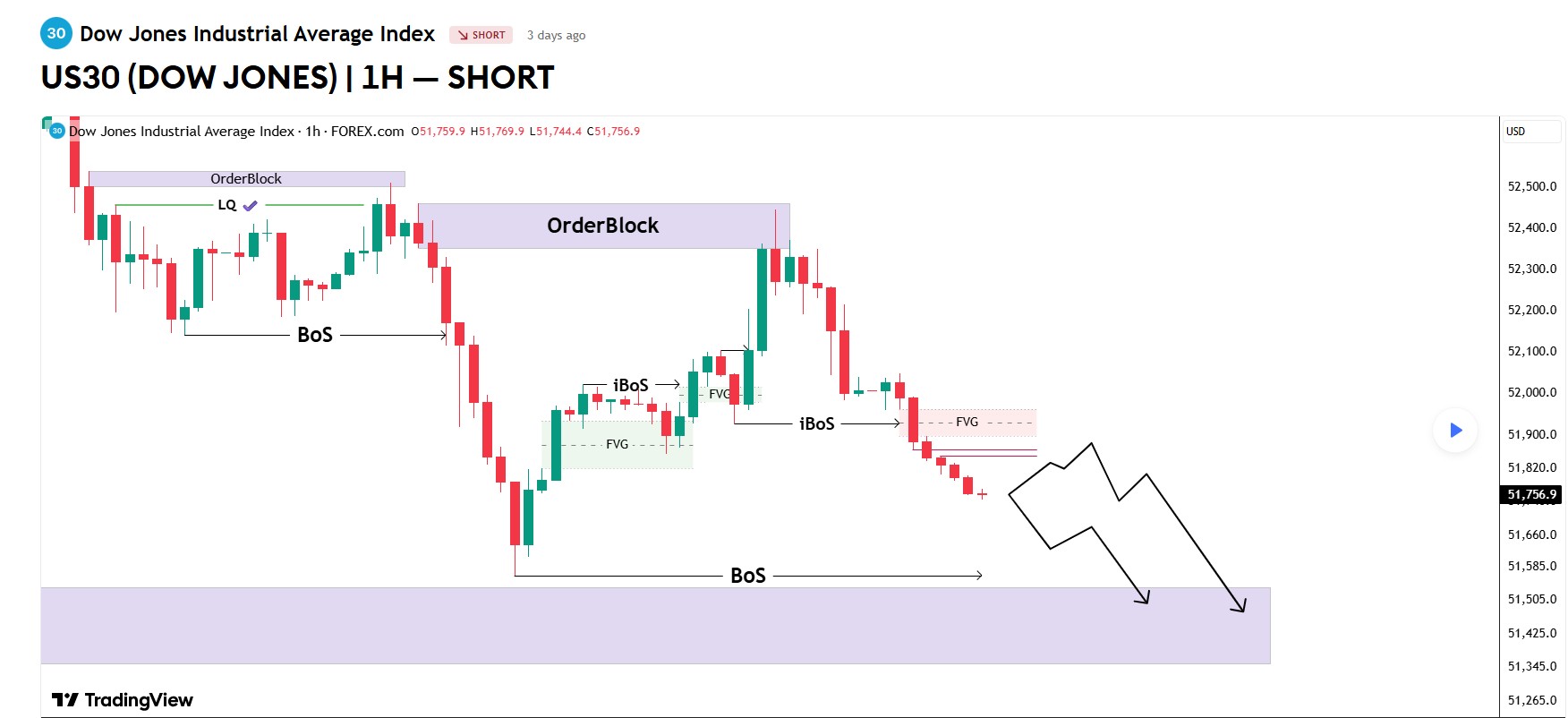
The tech-heavy Nasdaq Composite experienced a more substantial drop, falling 5.3% in October, marking its steepest monthly decline since March 2025. This was largely attributed to disappointing earnings from major tech companies and growing doubts about the financial returns on AI investments. In stark contrast, the Dow Jones Industrial Average managed to post a gain of 1.7% in October, closing higher as investors rotated into more established, value-oriented sectors.
Forex and Gold: Dollar Strength and Precious Metal Weakness
The US Dollar Index (DXY), a measure of the dollar's strength against a basket of major currencies, gained 0.73% to reach 102.19 by October 28, 2026, supported by hawkish Federal Reserve commentary and firm oil prices. This strength contributed to pressure on other major currency pairs. The EUR/USD pair saw a decline of approximately 1.1% in October, falling to roughly 1.1170 by October 31, 2026, as the dollar gained ground and the Eurozone grappled with energy shocks. Meanwhile, GBP/USD experienced a more modest decline of around 0.3% to 1.3250 by October 31, 2026, despite some intraday volatility and a rebound from its 2026 low of 1.3137 on October 14, 2026 .
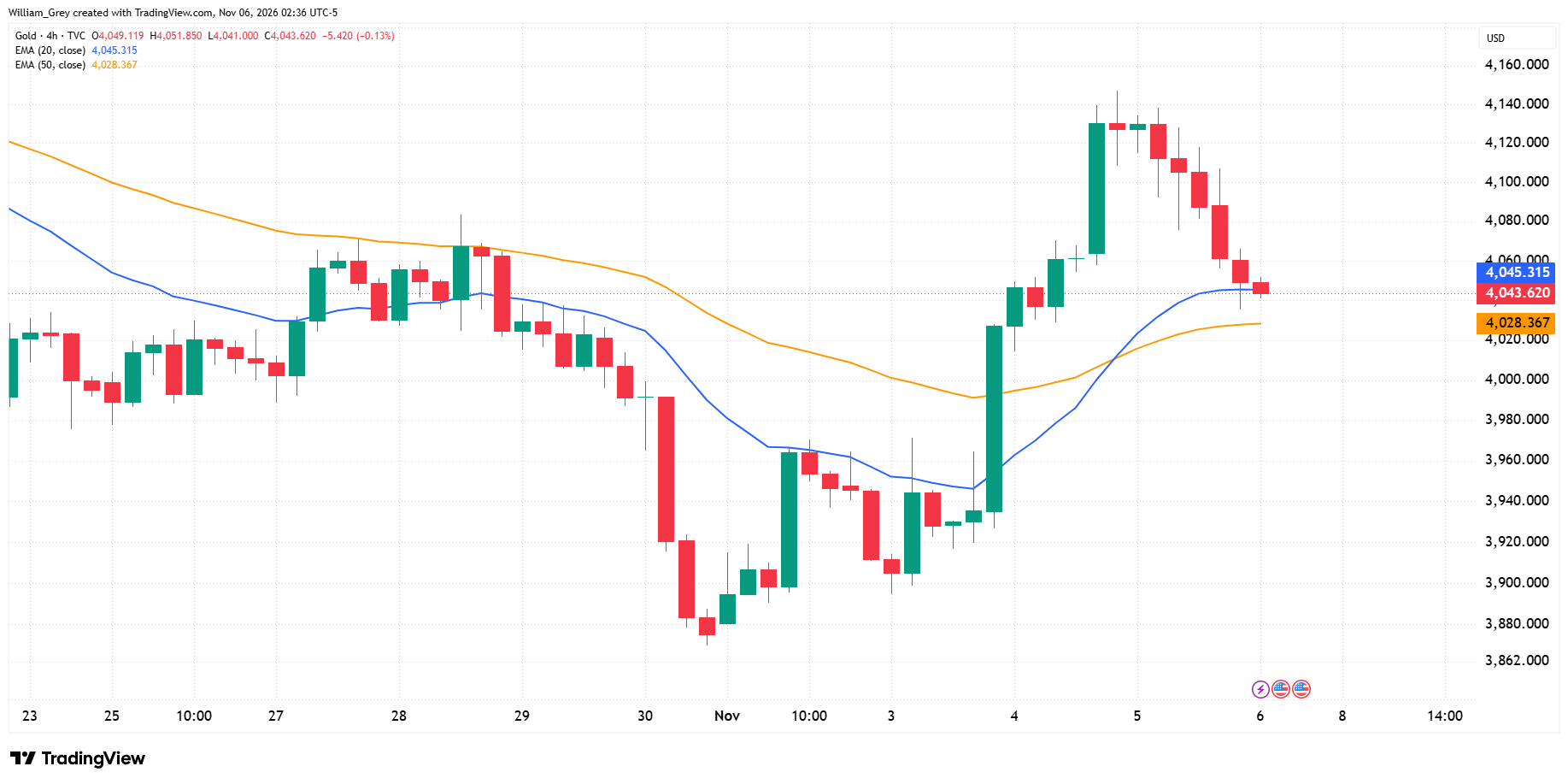
Precious metals faced significant headwinds. Gold (XAU/USD) suffered a substantial drop of 7.23% in October, closing the month at US$3,913 per ounce on October 30, 2026. This marked its worst October performance in years, driven by inflation concerns, expectations of higher US interest rates, and a strong dollar.
Crypto: Ethereum Leads Losses Amid Broader Correction
Cryptocurrency markets also saw a downturn in October. Ethereum (ETH) ended the month with a significant 16.1% loss, trading around $2,236 by October 30, 2026, down from $2,706 on October 1, 2026. This marked its second-worst October performance since 2016. Bitcoin (BTC) also experienced a decline, falling an estimated 8.9% in October 2026, implying a close around $63,700 on October 31, 2026, after underperforming Ethereum by 8.5% over the same period ].
High-Impact Event Releases for November: Economic Calendar
November 2026 is poised to be a pivotal month for market direction, with several key economic events and geopolitical factors on the horizon. Traders can check out the November market outlook by SureShotFX to explore all the major pairs status.
US Jobs Report: The Non-Farm Payrolls and Unemployment Rate for October 2026 will be released on November 6, 2026, at 8:30 a.m. ET. A stronger-than-expected report could fuel inflation concerns and reinforce expectations for future Federal Reserve (Fed) policy, potentially boosting the dollar. Conversely, a weaker report might suggest an economic slowdown, leading to a softer dollar and a potential rally in equities.
US CPI Inflation Data: The Consumer Price Index (CPI) for October 2026 is due on November 10, 2026, at 8:30 a.m. ET. This inflation gauge is critical for the Fed's monetary policy decisions. If inflation remains elevated, the Fed may maintain a hawkish stance, supporting the dollar and potentially pressuring risk assets. A softer CPI could ease rate hike fears.
Major Earnings Season: While many tech giants reported in late October, earnings from key companies like Nvidia on November 17, 2026, will be closely watched. Strong results could provide a boost to specific sectors, while disappointing figures might extend the tech pullback.
FOMC Minutes: The minutes from the Federal Open Market Committee (FOMC) meeting will be released on November 19, 2026. These minutes provide detailed insights into the Fed's discussions and outlook on the economy and monetary policy, offering clues about future interest rate paths.


Comments
Log in or sign up to join the conversation.