

Here’s something they don’t teach you in finance class, and something most professional money managers will never admit publicly:
Some trades are easy.
Not easy in the sense that markets are always predictable. They’re not.
But easy in the sense that you have a clear picture of the forces at work. The fundamentals are solid. The chart confirms what the story is telling you. The risk is defined. You know what you’re buying, you know why, and you have a reasonable thesis for where it’s going.
Those are the trades you take.
Then there are the hard trades... Situations where the outcome hinges on variables that no one can reliably forecast.
Geopolitical decisions made in rooms you’ll never see. Military escalations. Diplomatic back-channels. Markets swinging 17% in a single session because a government official posted (and then quickly deleted) a message on social media.
Those are the trades you watch from the sidelines.
And here’s what most investors never fully appreciate: you don’t have to play.
This is one of the greatest advantages you have as an individual investor.
Unlike a hedge fund manager with a mandate, you answer to no one but yourself. You can look at a chaotic, unpredictable situation, size it up honestly, and simply say: “not for me.”
Then you close the tab and go find something better.
I was reminded of this over the weekend. I’m currently on a cruise ship in the Caribbean, and something about being out on the water, away from the noise, has a way of clarifying your thinking.
The world feels like it’s spinning. But you get to choose where you direct your attention and your capital. That choice is a genuine edge, and most investors never fully use it.
Oil right now? That’s a hard trade. And I’m sitting it out entirely.
Here’s Why Oil Is the Wrong Battlefield Right Now
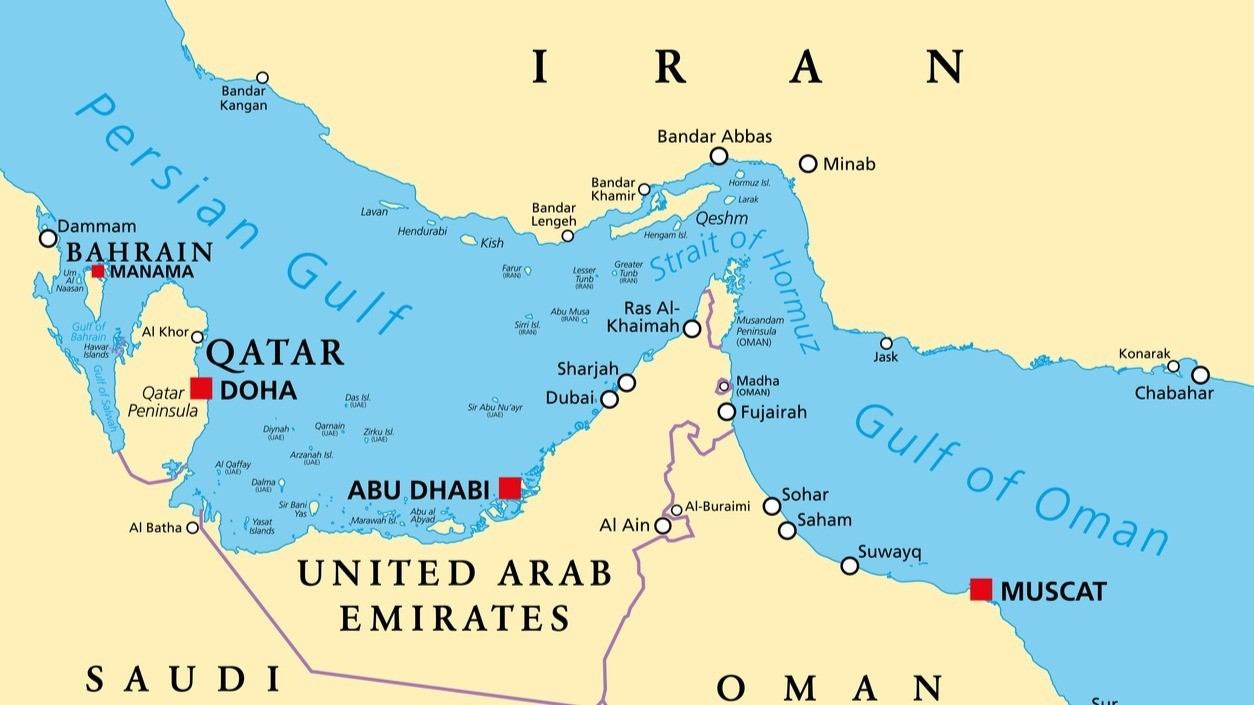
U.S. crude surged past $100 a barrel, and the Strait of Hormuz -- the critical chokepoint responsible for moving more than 20% of the world’s oil supply -- remains essentially closed.
The bulls say oil is going to $135, maybe $200. Iran’s military has publicly warned that the price of oil “depends on regional security,” and they’re not wrong that they have leverage over the situation.
The bears point out that more than 30 nations have agreed to release 400 million barrels from emergency stockpiles, the largest coordinated reserve release in the IEA’s 50-year history.
And just this weekend, President Trump told reporters he expects prices to “drop like a rock as soon as it’s over.”
Who’s right? Honestly, I don’t know. And more importantly, nobody does.
That’s not pessimism. That’s discipline.
When the range of outcomes is this wide, and the deciding factors are this unpredictable, making a confident bet in either direction isn’t analysis. It’s a coin flip with extra steps.
Oil goes in the “too hard” bucket. And I move on.
Here’s What I Do Know — And Where I’m Actually Making Money Right Now
While the headlines obsess over oil, the AI revolution has been quietly marching forward.
New capabilities are being announced almost weekly. Corporate capital spending on AI infrastructure continues to accelerate. And the stocks that power this build-out have been remarkably resilient.
Semiconductor stocks are a perfect example.
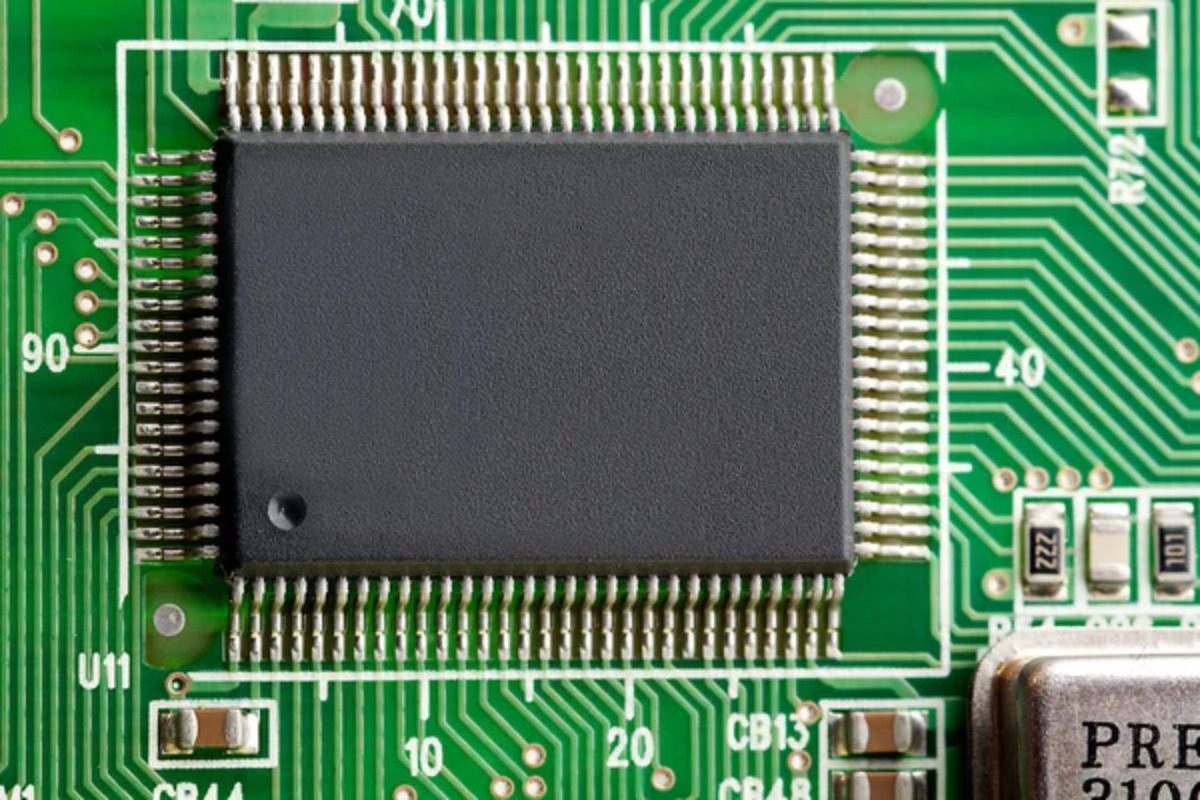
Yes, Nvidia has pulled back from its highs, but the leadership in the space hasn’t disappeared. It’s simply rotated. Other semiconductor companies are stepping into the spotlight, and the fundamentals driving their businesses haven’t changed one bit.
In fact, I recently added a new semiconductor position to my Speculative Trading Program that’s already trending higher and putting profits in our subscribers’ pockets.
Software stocks are another area I’m watching closely. Over the past six months, many of these companies got absolutely hammered as investors panicked that AI would make their products obsolete and destroy their revenue streams.
But the evidence isn’t cooperating with that narrative. These businesses are still growing sales. Their customers are still renewing. The competitive moats are intact. And now you can buy these companies at prices that are genuinely cheap relative to earnings.
Industrial stocks round out the picture. Data center construction is driving enormous demand for everything from electrical components to heavy equipment. Power infrastructure needs to be built and expanded. This isn’t a one-quarter story, it’s a multi-year capital investment cycle.
The Bottom Line
The landscape is shifting. There are new winners and new losers. Oil right now is the wrong battlefield.
The AI economy (semiconductors, software, industrials)... that’s where the opportunities are.
And volatility, as we know, isn’t something to fear. It’s something to exploit.


Comments
Log in or sign up to join the conversation.