Interactive Brokers (IBKR) - Explosion In Margin Loans

Interactive Brokers reported a 67% surge in margin loans to $108.5 billion, driving record revenues.

A modern brokerage runs on a mix of trading fees and interest income. Right now, both businesses are firing at the same time. When traders borrow money to buy stocks, the broker collects a spread, and when trading activity picks up, commission revenue follows right alongside it. Interactive Brokers just showed how powerful that combination has become, reporting a 67% surge in margin loans alongside record trading activity. The question is whether this borrowing boom marks a permanent shift in investor behavior or simply captures a cyclical peak in market optimism.

Main Note

Interactive Brokers and the Margin Debt Boom

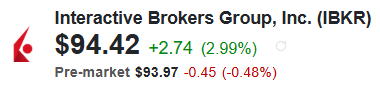
Interactive Brokers (IBKR) Quote

Verdict: Retail and institutional traders are taking on massive amounts of leverage to ride the current market. That appetite for risk pushed margin balances to a historic high and drove incredible profitability for Interactive Brokers.

What happened

Interactive Brokers reported second quarter 2026 earnings, revealing a 67% year over year explosion in customer margin loans to $108.5 billion. The company also posted record net revenues. This staggering increase in borrowing shows clients are heavily leaning into market momentum.

This is not a story about trading fees. When customers borrow to buy stock, the broker collects interest. Combined with elevated central bank rates, that margin loan book acts as a massive cash machine for the business.

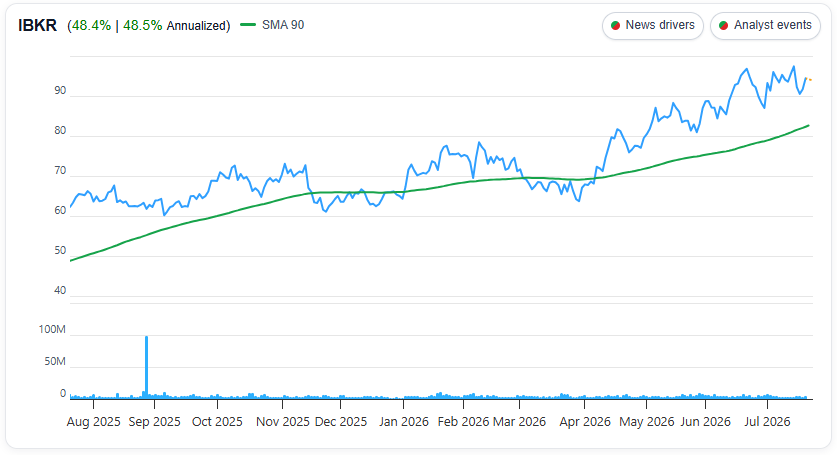
Interactive Brokers (IBKR) 1 Year Chart

Interactive Brokers (IBKR) 1 Year Chart

Why it matters

The economic engine here is net interest margin. Brokers earn a spread between what they pay out on uninvested customer cash and what they charge for margin loans. With margin balances crossing $108 billion, that spread generates enormous free cash flow with almost zero additional capital spending required.

What changed in the thesis

The traditional view is that high interest rates suppress risk taking. This quarter suggests that has not been the case so far. Traders continue to borrow despite higher financing costs, betting that market returns will more than offset the interest expense. Whether that proves to be a lasting shift or simply reflects today's strong market backdrop remains one of the biggest questions investors should be asking.

What the market may be missing

The vulnerability of that 77% pre tax margin. The current environment looks exceptionally strong, but a meaningful shift lower in interest rates would likely compress the spread earned on customer cash and margin loans over time. If market momentum breaks, falling stock prices could trigger margin calls and shrink the loan book much faster than investors expect.

Valuation and expectations

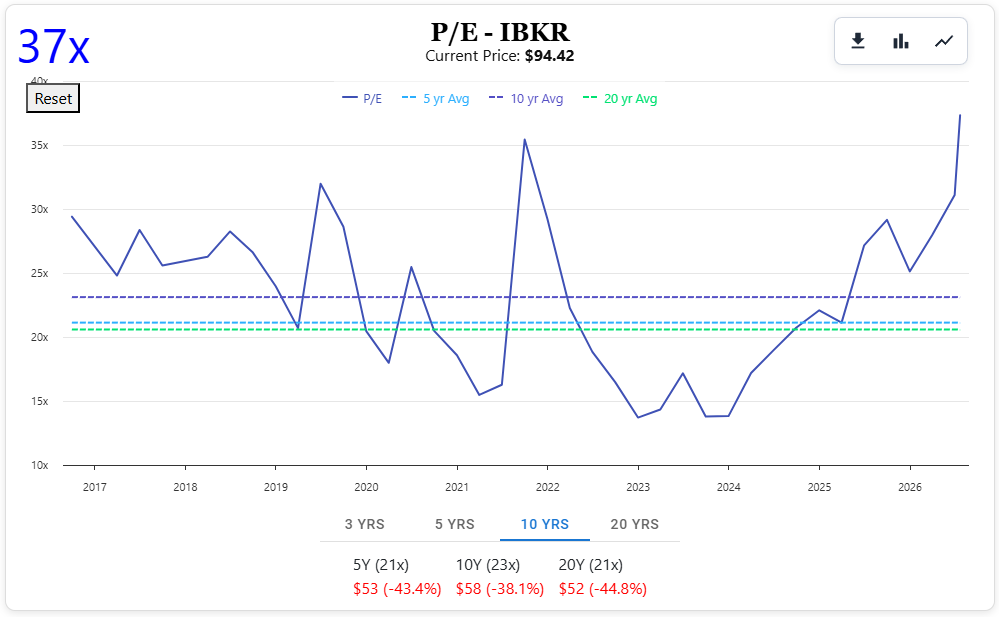
The multiple on the stock reflects a belief that these record revenues will persist. If margin balances plateau this summer, analysts may have to lower their net interest income estimates for the back half of the year. The market is pricing in sustained leverage, leaving little room for a contraction in borrowing volume.

Interactive Brokers (IBKR) PE Chart

Interactive Brokers (IBKR) PE Chart

Bottom line

Interactive Brokers is capturing the absolute best case scenario for a modern brokerage firm. The math works beautifully right now. The catch is that buyers of the stock are effectively betting that both equity momentum and interest rates will stay high.

Pre Market Pulse

  • Equity index futures are holding near recent highs this morning as risk appetite remains elevated.

  • Treasury yields are holding steady, sustaining the wide interest rate spreads that benefit financial firms.

Why it matters this morning

High yields and a rising stock market create the perfect environment for margin borrowing. The morning setup shows no immediate breaks in the momentum that fueled these record earnings.

Peer Read Through

Charles Schwab (SCHW)

Schwab relies heavily on net interest revenue. If retail traders are embracing margin across the board, the firm could see a similar boost to its loan book.

Morgan Stanley (MS)

The bank manages a massive retail and institutional trading base. The read through suggests its wealth management division could see strong momentum from client borrowing.

Robinhood (HOOD)

Known for a highly active retail base. If professional leaning clients are taking on this much leverage, Robinhood could report elevated speculative trading when it releases second quarter earnings next week.

Group takeaway

The brokerage sector is feeding on a combination of wide interest rate spreads and high client confidence. If this trend holds, net interest income will remain the dominant driver of industry earnings this quarter.

What to Watch

  • Monthly brokerage metrics from Interactive Brokers and Charles Schwab to see if margin balances plateau or contract during late summer trading.

  • Robinhood second quarter 2026 earnings on July 29 to confirm if the margin borrowing trend holds at the more speculative end of the retail market.

  • Federal Reserve rate path signals, as a prolonged pause keeps net interest margins wide while rate cuts would test the broker ability to offset lower spreads with higher volume.

Bottom line

The health of the brokerage trade now relies on monthly data points. A sharp drop in monthly margin balances or a signal for aggressive rate cuts would immediately challenge the current profit setup.

STOCKS IN THIS ARTICLE

Also Mentions:

Comments