

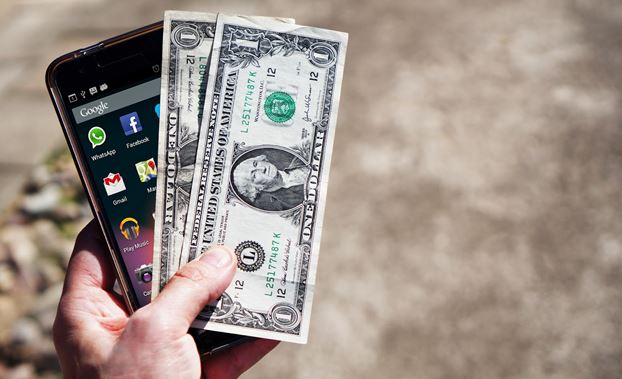
Sending money can be incredibly tedious and time consuming. Logging on to your online banking, finding out payment details, using that annoying little security calculator thing, you know the drill. And don’t get me started on figuring out an easy way to split a bill or cheque.
Enter money transfer apps. Companies like Venmo and Zelle make sending money incredibly convenient. All it takes is a few taps on your smartphone. The catch? Scammers take advantage of the convenience to trick you out of your hard-earned cash. Here’s how to avoid falling into a trap.
Know Money Transfer Methods
Every single payment provider makes it easy to load up your account and send money. But that doesn’t mean they’ll be there for you when things go south. That’s why you should read the small print when you sign up, and do some third-party verification to ensure the app you’re using has a solid track record.
For example, apps like Venmo and Zelle are known to be leaders in the field. The Cash App also has a solid reputation. Stick to the trusted names, but don’t think that means you’re protected.
Pro tip: have a look at the various payment methods offered by online casinos as an example. Casinos want your money, so they’ll go beyond the major players and will offer pretty much every legit form of payment out there. Because the fraud teams they fight against are seriously next level, you’re guaranteed that the companies they work with can be trusted. Some online casinos rely on the most effective and best-protected payment methods ever known such as Visa, Master Card, American Express, or Diners Club Card. Others rely on money transfer methods such as DineroMail popular in Latin America, or M-Pesa widely used by African players. These methods are among first-to-pick if you are in search of ‘safe and sound’.
Know Your Scams
Criminals aren’t exactly creative (most of them, anyway). They probably get their scams from a rolodex or something. Seriously, most of them seem to be a spin of the same handful of stories. These are just some you should be aware of:
The Fake Invoice. Commonly sent to small businesses, the fake invoice relies on an employee processing invoices without giving it a second thought. Especially if it has some sort of threat, like “pay now or your website may go offline”.
Phishing. This is the classic. It comes in different forms, but the basic idea is to get you to enter your username and password. They can look very legit. Never click on a link to reset your password. Never.
Sweepstakes Scam. “You’ve won a prize! All you need to do is pay a small fee”. This is the modern version of the old snail mail scam that pretty much did the same thing.
Charity. This one tries to take advantage of your nice side, asking for money for a small local charity. Think: a local children’s charity, or a local park. It’s always something small or obscure, making it a little harder to verify.
Send My Money Back? Okay, this is the BIG one. And it applies specifically to money transfer apps, so listen carefully. It’s a bit of a twist to the classic Western Union scam. The scam goes like this: you suddenly get hundreds or even thousands of dollars in your account. The person who sent it to you will get in touch, saying it was a mistake. Could you just send the money back? They may even throw in a ‘tip’ for your efforts.
It seems to make sense. I mean, you’re just returning it, right? Not so. The payment was probably made using a stolen card and once the rightful owner realizes, they’ll cancel the payment. This usually happens after you’ve sent the money to the scammer, which means you’re out a significant chunk of money.
Never Respond
You may have come across James Veitch and his book, Dot Con. He tells the tale of what happened when he decided to respond to scam emails; you know, play them at their own game. Granted, the book is very well regarded and is absolutely hilarious.
But that doesn’t mean you should ever think about doing the same thing. There’s a reason why Veitch has a disclaimer of “don’t try this at home, kids”. People who run money transfer app scams are criminals.
Many are part of organized crime, and you don’t want to get involved with them. And you definitely don’t want to make them angry. Stick to reading Veitch’s funny stories and send those emails to the trash.
If you get one of those large unexpected payments, go through the app’s official support channels and report the incident. Don’t send the money back, and don’t liaise with the scammer.
Finally, Report Scams!
The final way you can help others is by reporting scams. If you see something that smells fishy, don’t just ignore or delete. Try to take that extra step and report the fraud by filing a complaint with the authorities. In the United States, you can do this through the Federal Trade Commision (FTC). It can be a bit of a pain, but it’ll really help!


Comments
Log in or sign up to join the conversation.