

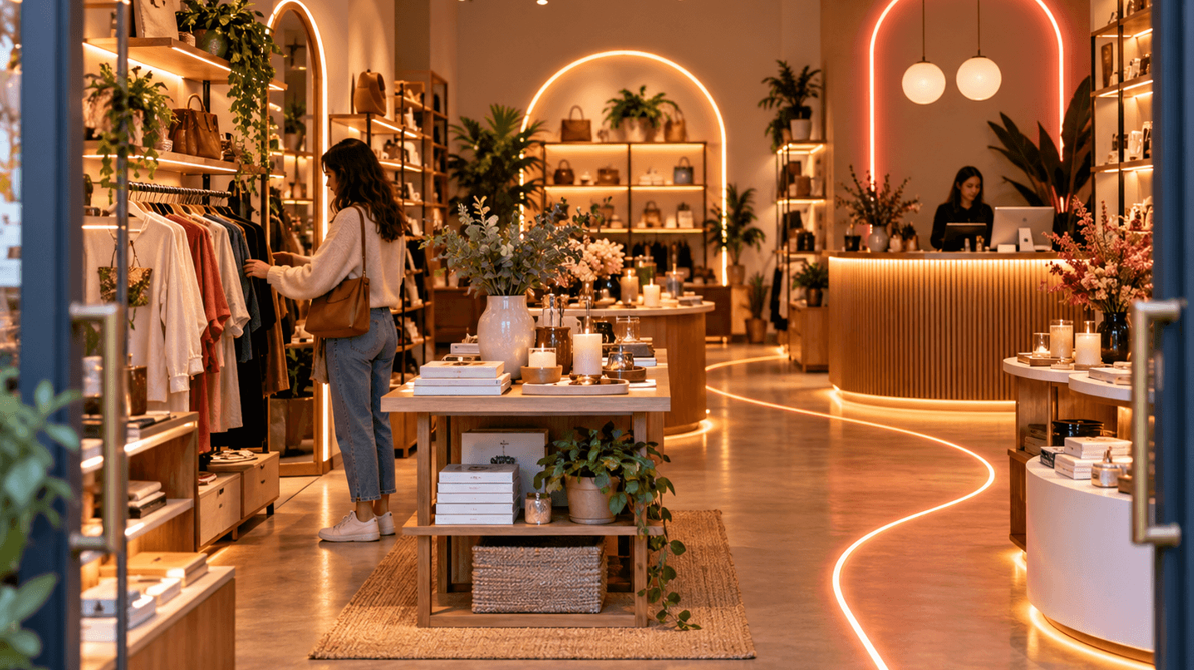
Small retail spaces have limited room to communicate a lot at once. Products, displays, promotions, checkout areas, and branding all compete for customer attention. Lighting can help organize that visual information and make it easier for shoppers to understand where to look first.
Neon Signs are especially useful because they combine illumination with color and a clear visual message. Neon Signs can highlight a product zone, point customers toward a service area, or reinforce the personality of the store. The goal is not to add bright signs everywhere. A small number of carefully positioned lights can guide attention without making the store feel crowded.
Start With the Most Important Customer Action
Before adding neon lighting, decide what you want customers to notice or do.
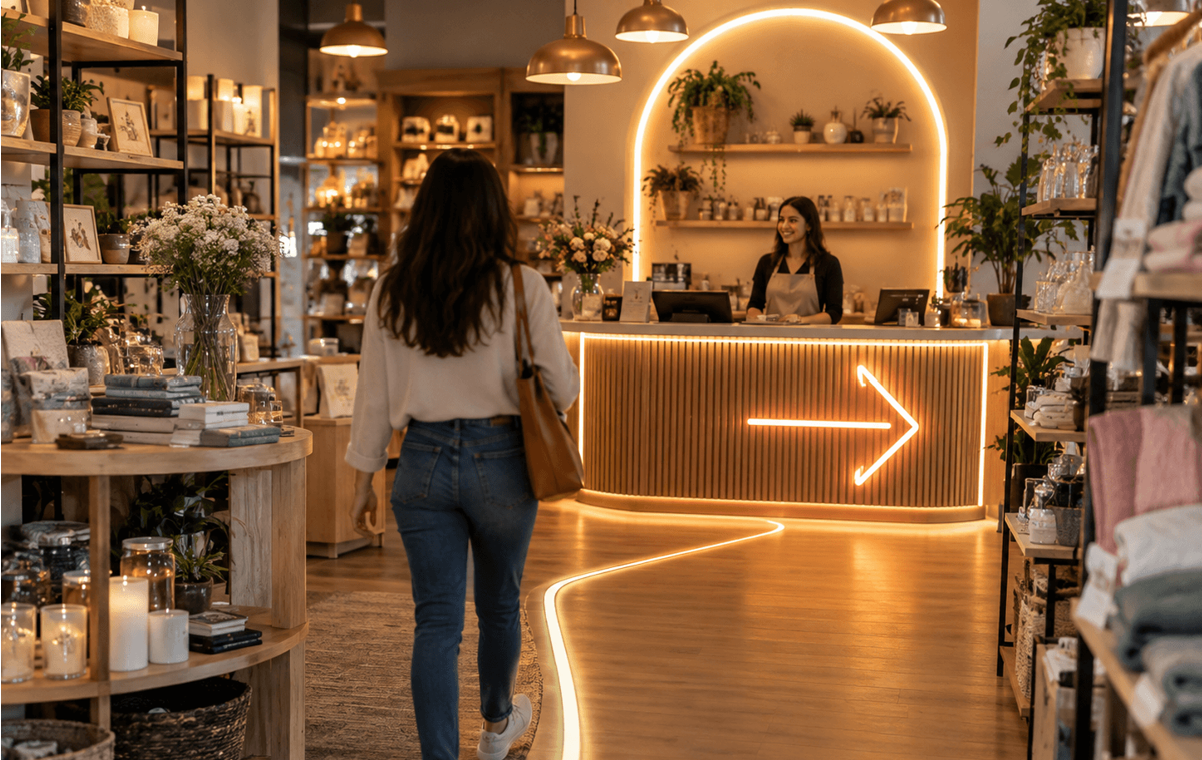
A clothing store may want shoppers to see a new collection first. A salon may need to direct visitors toward reception. A specialty shop might want to highlight a product demonstration or seasonal section.
Once the priority is clear, place the strongest lighting feature near that area. Customers naturally notice brightness and contrast, so illuminated signage can help establish a visual hierarchy.
Avoid giving every section equal lighting emphasis. If everything is designed to attract attention, nothing feels important.
Make the Entrance Easy to Understand
The storefront is the first opportunity to communicate with a potential customer.
An Open neon sign can quickly tell passersby that the business is operating. Position it where it can be seen clearly from the direction most people approach.

Inside the entrance, another visual element can help customers understand the store immediately. This might be the business logo, a short brand message, or lighting around a featured product area.
Keep the first few feet of the store relatively simple so shoppers have time to understand the space before encountering additional displays.
Use Light to Highlight High-Priority Products
Neon lighting can be used to attract attention toward products that deserve extra visibility.
A new collection, limited-edition item, seasonal display, or signature product can benefit from nearby accent lighting. Instead of placing the neon directly behind every product, use one feature to define the entire display area.
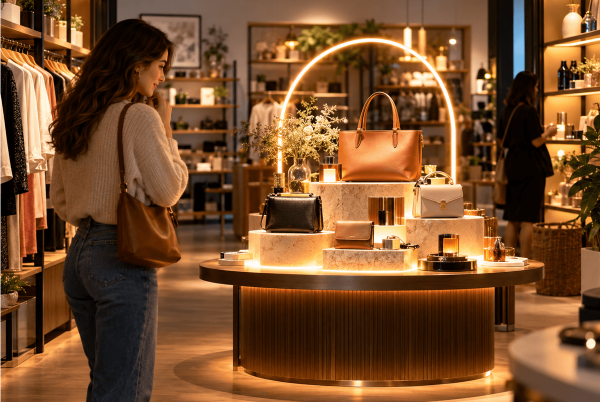
Color contrast can help. If the product display uses mostly neutral tones, a brighter neon shade can create a clear focal point.
The sign should support the merchandise rather than overpower it. Customers should notice the display first and understand the lighting as part of the presentation.
Direct Attention Toward Key Service Areas
Small stores often include important areas that customers need to find quickly, such as fitting rooms, pickup counters, consultation desks, or checkout stations.
Simple illuminated words or custom neon letters can help identify these areas. Short, clear messages generally work better than long phrases because shoppers can understand them quickly.
Placement matters as much as wording. Position signage where it can be seen before customers reach the area rather than directly above it at the last moment.
Build Brand Recognition With a Logo Feature
Branding should remain visible without appearing on every wall.
Logo neon signs can work particularly well behind a checkout counter, reception desk, or central display. These locations receive repeated customer attention and often appear in photos taken inside the store.
A well-positioned logo creates a recognizable visual anchor. It can also make an otherwise plain wall feel intentional without requiring several smaller decorative elements.
NeonChamp can create branded designs that allow small retailers to turn existing wall space into a stronger identity feature.
Use Neon Rope Lighting to Define Zones
Not every lighting feature needs to contain words or a logo.
Neon rope lights can be used around shelving, display edges, counters, or architectural features to create subtle visual boundaries.
For example, lighting underneath shelving can distinguish a premium product section. A continuous line around a display unit can separate it visually from nearby merchandise.
This technique can be especially useful in stores where several product categories share one compact floor area.
Create a Visual Path Through the Store
Customers should be able to move through a small retail space without feeling confused.
Use stronger visual features at important points rather than placing them randomly. One light feature near the entrance can draw people inward, another can identify a major product zone, and a final feature near checkout can reinforce the brand.
This creates a sequence of visual cues that encourages shoppers to explore more of the store.
Keep walkways clear and avoid placing bright signs in areas that compete with directional information or safety signage.
Control Brightness and Color
More brightness does not automatically create better visibility.
Extremely bright custom LED signs can become distracting in a compact store, especially when several illuminated elements are visible at once. Use brightness levels that stand out from the surrounding environment without overwhelming nearby products.
Color should also support the brand and merchandise. One or two repeated colors often create a more organized appearance than several unrelated neon shades.
If the store already has strong wall colors or bold product packaging, simpler neon colors may produce a cleaner result.
Review the Store From the Customer's View
After installing the lighting, walk through the store as a customer would.
Start outside, enter through the main door, and notice which elements attract your eye first. Check whether important displays are easy to find and whether any signs compete with one another.
Move a feature if customers have to turn around or look upward to notice it. Small adjustments in height, angle, or position can improve visibility considerably.
NeonChamp lighting works best when it supports the shopping experience rather than simply decorating the walls.
Use Neon With a Clear Purpose
A small retail store does not need many illuminated signs to feel memorable. Strategic placement is usually more effective than quantity.
Use neon to identify the entrance, emphasize priority products, define store zones, guide customers toward services, and strengthen branding. When each lighting element has a specific job, the space becomes easier to navigate and visually more organized.
The result is a store where lighting helps customers understand what matters, where to go, and what to notice next.



Comments
Log in or sign up to join the conversation.