

Sustainable Futures Through Genomic Advancements
As technology has developed and societies around the world have industrialized, it’s unfortunately had catastrophic effects on the environment. Human growth has led to the destruction of natural habits and the disruption of many natural ecological processes.
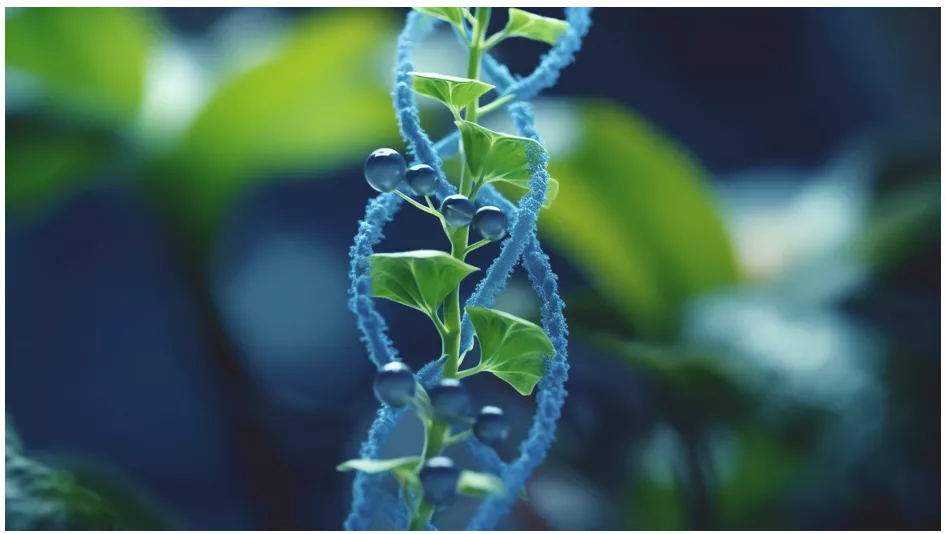
However, although technology has caused great harm to the planet in the name of progress, it could also help to reverse this damage. Some experts believe that harnessing the power of genomics could help us better understand nature and create a more sustainable future.
The Impact of Technology on the Planet
Improvements to technology have ultimately made the majority of human lives better, giving us greater access to food, medicine, shelter and entertainment. Sites like Slotozilla Canada make online entertainment even more accessible, providing the best resources for online games. Better access to food and medicine has significantly improved the average life expectancy for humans worldwide.
Greater life expectancy has caused rapid population growth, and although many developed countries are now seeing negative birth rates, the global population is still rising. More people have meant a greater need for land for farming and creating towns, cities and infrastructure. In addition, modern societies depend on fossil fuels for power and transport, with oil and coal needing to be mined and processed before being burnt to generate energy.
How Humans Are Destroying Natural Ecosystems
The industrialization of human society has, unfortunately, had negative effects on many other species of plants and animals around the world. Habit destruction has led to dwindling populations of forest species all over the globe. The use of fossil fuels causes untold ecological damage due to mining, spills, and the release of carbon into the atmosphere. As well as affecting land species, overfishing, pollution, and rising temperatures also damage fish and sea life.
It’s impossible to quantify the impact of such issues, but many experts believe that we’re currently in one of the Earth’s largest-ever extinction events. Since 1500, more than 800 plant and animal species have gone extinct, and this damage could be irreversible if nothing is done. Thankfully, playing at https://free-slots-no-download.com/ca/ doesn’t damage the environment, and it’s a great way to have fun online.
What Is Genomics?
A genome is the entire genetic material of an organism, composed of DNA. Genes are the information our body uses to carry out synthesis and processes. They dictate how we look, how our bodies work, and, in some cases, how we respond to certain situations. Genomics is the study of a genome’s function, structure, and evolution.
Since 1866, when modern genetics first began through the work of Gregor Mendel, our understanding of genes and how they work has improved significantly. Today, we know that genes are part of the double-helix DNA structure. DNA is made up of nucleotides, which consist of three main parts:
- A phosphate group;
- A sugar group;
- One of the four nitrogen bases.
The Human Genome Project
The Human Genome Project completed its work in 2003 to map and sequence the entire human genome. It was a huge undertaking that started in 1990. It involved sequencing 3.1 billion base pairs, and although 92% completion was achieved in 1990, it wasn’t until 2022 that 100% of bases were covered. In total, the project cost an estimated $2.7 billion, although the results of the work could be invaluable.
The work on the Human Genome Project gives scientists better data on how human genetics works and may improve the diagnosis and treatment of genetic diseases and conditions in the future. It also shows the potential for sequencing other genomes, which can enhance our understanding of other species and how to protect them.
Animal and Plant Genomes
In recent years, enormous progress has also been made in mapping the genomes of various plant and animal species. These efforts have largely focused on domestic breeds, finding ways to improve crop yields or eliminate undesirable traits. However, efforts have also been made to look at the genomes of wild species to better understand their behaviours and even potentially preserve them if they ever go extinct.
How Understanding Genomes Can Lead to Sustainable Practices
Understanding the human genome is helping improve medical care standards and could potentially reduce the impact of serious diseases, including cancer and diabetes. In the same way, sequencing animal and plant genomes can reveal a lot about specific species. With the right knowledge, we can reduce our impact on the environment and repair damaged ecosystems for a healthier planet and a more sustainable future. Here are some of the ways in which genomics can lead to sustainable practices.
Sustainable Farming
Farming has a significant impact on natural habits. Monocultures lead to low biodiversity, using fertilizers and chemicals can create toxic runoff that affects natural waterways, and many cattle farmers rely on cutting down forests to clear grazing land for their cattle. One of the leading causes of the destruction of rainforests is cattle farming, and growing populations require a growing amount of food.
The solution to this issue is improving farming practices to have a lower impact on the natural environment. This includes:
- Improving crop yields by reducing diseases;
- Improving crop yields by selecting species which don’t need fertilizers;
- Breeding cattle which require less land use;
- Working with the land using regenerative farming practices.
Improving Wildlife Conservation
While improving the sustainability of farming is important for the health of the planet, it’s still not a natural ecosystem. However, genomics can also improve the process of wildlife conservation, helping scientists preserve animal and plant species.
Genomics is particularly useful in highlighting biodiversity hotspots, where the amount of genetic diversity is much higher. This can help conservationists focus on the right areas, and build natural communities which are more resilient to changes.
Conclusion
Although the growth of human populations has led to a lot of ecological damage, it’s not too late to reverse these effects and promote more sustainable practices. Scientists, agriculturalists and leaders need to work together to prioritise genomics in finding sustainable solutions.



Comments
Log in or sign up to join the conversation.