

Image Source: Pixabay
The way we consume entertainment has changed dramatically, and so has the way we pay for it. From streaming movies and music to gaming and live content, digital entertainment is everywhere. For years, credit cards, PayPal, and digital wallets have been the go-to payment methods.
But as technology advances, so do our options. Cryptocurrency, often overlooked in these discussions, is proving to be a faster, safer, and more private way to pay, making it groundbreaking for online transactions.
Why Cryptocurrency is a Game Changer for Digital Entertainment Payments
Unlike traditional banking methods, which can take days to process, crypto transactions are almost instant. Crypto transactions are decentralized, reducing delays and extra costs. For example, an instant Ethereum casino allows players to deposit and withdraw funds in Ethereum, making the whole process super fast and secure. Plus, with Ethereum’s blockchain technology, users can play their favourite games without worrying about security issues or the prying eyes of third parties. Users also experience no deposit and withdrawal delays; there are no intermediaries like banks causing delays or rejecting payments.
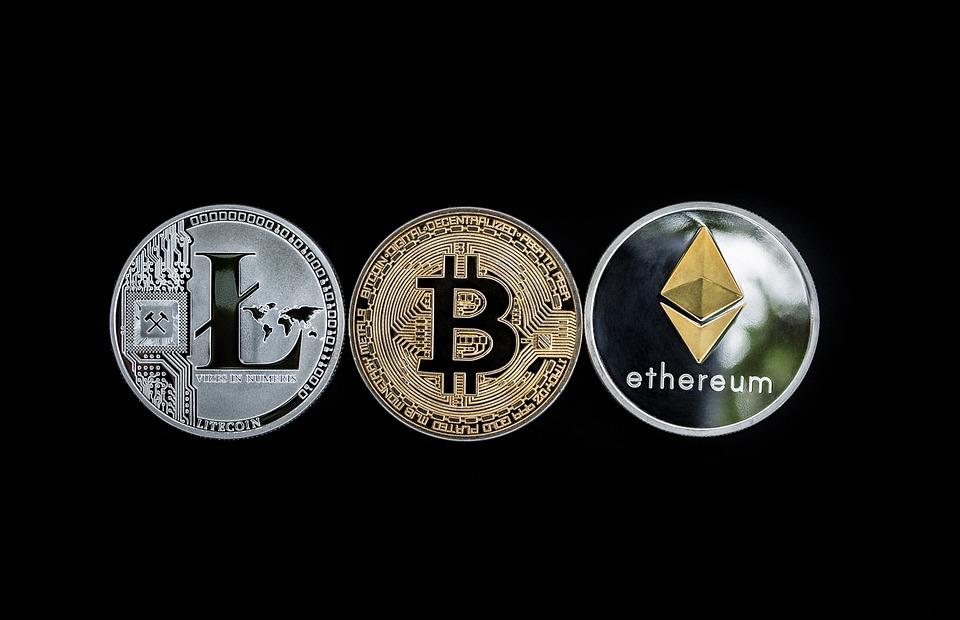
Cryptocurrency is simply a digital variant of currency, and numerous types exist. Bitcoin is likely the one you’re most familiar with, but other coins such as Ethereum, Litecoin, and Bitcoin Cash offer their own distinct advantages. Coins such as Ethereum are used to fuel applications and various digital services, whereas others emphasize being quicker and more cost-effective. This makes crypto an interesting new way to pay for your digital content.
The Growing Role of Crypto in Digital Entertainment
Privacy and Security Are Top of Mind
When you use a credit card or PayPal, you’re handing over your personal details, like your name, address, card number, and more; that opens you up to potential security risks. But with cryptocurrency, things are different. Since crypto transactions are anonymous, you don’t have to share your personal info every time you make a payment. Your transaction history is public, but your identity remains private. Plus, everything’s secured on the blockchain, making it much harder for anyone to hack or tamper with your payment info.
This is especially appealing to people who are concerned about identity theft or fraud. In a world where we’re constantly sharing sensitive information online, the extra layer of privacy that comes with crypto is a pretty attractive option.
Lower Fees and Speedy Transactions
Using cryptocurrency has much lower fees. Credit card companies, payment processors, and even PayPal all charge fees for their services, and they can add up quickly. In contrast, cryptocurrency transactions typically come with much lower fees, especially when you’re using coins like Litecoin or Stellar.
When you use crypto, your transactions are much faster. If you’ve ever waited for a bank transfer to go through, you know how frustrating it can be to have to wait a few days for a payment to process. With crypto, payments are usually confirmed in a matter of minutes. That means you can pay for that new movie, grab a video game, or make an in-game purchase without having to wait around.
Global Access Without the Hassle
One of the best features of cryptocurrency that makes it attractive to many is that it works no matter where you are in the world. Since crypto is decentralized, you don’t have to worry about things like exchange rates or international payment restrictions. So, whether you’re buying a movie rental in the U.S., paying for a gaming subscription in Europe, or purchasing an online concert ticket from Asia, crypto makes it easier than ever to make payments across borders.
For people who live in areas where credit card access is limited or where certain payment methods are restricted, cryptocurrency is a game-changer. You no longer have to deal with the headache of figuring out how to make payments for digital entertainment.
How Crypto Is Already Shaping the Entertainment World
Streaming Services
Streaming platforms are increasingly accepting cryptocurrency for subscriptions. For instance, you can use crypto to pay for services like Netflix, Spotify, or Hulu through platforms like Bitrefill.
But it’s not just the big names that are getting in on the action, new, blockchain-based streaming services are popping up that rely on crypto payments. These platforms are built on decentralized technology, meaning users can make payments directly using digital currencies. Creators often benefit from this as they can get a bigger slice of the revenue pie because the middlemen are cut out.
So, whether it’s paying for a Netflix binge or getting a subscription to a new, crypto-powered platform, there’s no shortage of ways to use crypto for streaming content these days.
Gaming and Virtual Goods
Gaming has always been one of the most forward-thinking sectors when it comes to adopting new technology. Several gaming platforms now accept cryptocurrency for everything from buying in-game items to paying for subscription-based games. Fortnite and World of Warcraft, for instance, have even tested out blockchain and crypto payments for special in-game assets and rare items.
But the most exciting development is the rise of decentralized gaming ecosystems. In these ecosystems, players don’t just pay for content, they can actually earn crypto by playing (P2P). Some games even let you stake your coins to earn rewards.
NFTs and Digital Collectibles
If you have been keeping up with trends in digital art or collectibles, you likely know about NFTs (Non-Fungible Tokens). These digital assets are traded with cryptocurrency, indicating ownership of a distinct item, such as a piece of art, a video segment, or even a music piece. In recent years, NFTs have significantly gained popularity, with artists, musicians, and creators leveraging them to profit from their creations.
In gaming, NFTs are transforming our perceptions of ownership. Gamers have the option to purchase, sell, and exchange unique in-game items as NFTs. Whether it's a distinctive skin, a special weapon, or a personalized character, NFTs enable gamers to possess and exchange their digital assets in unprecedented ways. It's an entirely fresh approach to consider virtual ownership.
Which Cryptocurrencies Are Best for Digital Entertainment?
There are a few cryptocurrencies that stand out when it comes to paying for digital entertainment. Here are some of the top players:
Bitcoin
Bitcoin is the most well-known and widely accepted cryptocurrency. While its transaction speeds aren’t the fastest, it’s still a solid choice for many digital entertainment platforms. Whether you're using it for online gaming or paying for streaming services, Bitcoin is an easy-to-use option that’s widely accepted across the web.
Recent trends show renewed investor interest; Bitcoin reached the $100K milestone in December, reigniting investor enthusiasm and leading to fresh trends in the crypto market. However, the second half of February brought serious fluctuations, with Bitcoin falling under $80K. For the time being, it has bounced back to $82K, and it’s highly likely it will grow again. It’s another proof speaking in favour of the claim that multiple coins should be used for both expenditure and investment.
Ethereum
Ethereum has really made a name for itself in the entertainment world, especially when it comes to gaming and NFTs. It powers decentralized applications (dApps) and is the go-to platform for NFT marketplaces like OpenSea. So, if you’re buying or selling digital art, music, or collectibles, Ethereum is probably the way to go.
Litecoin
Litecoin is known for being fast and cheap to use. With lower transaction fees and faster processing times than Bitcoin, Litecoin is a great choice for making quick payments for digital content. Many gaming platforms accept Litecoin, and it’s a solid option for anyone looking to make smaller, more affordable transactions.
Stablecoins
Stablecoins like Tether (USDT) and USD Coin (USDC) are tied to the value of a traditional currency (like the US dollar). This helps to avoid the price fluctuations that can sometimes make crypto payments feel risky. These stablecoins are a great option for anyone who wants the benefits of crypto but with less volatility.
Conclusion
As more people start using cryptocurrency, it’s clear that it’s here to stay in the world of digital entertainment. With faster transactions, lower fees, and greater privacy, crypto is making a real impact on how we pay for the things we love. Whether you’re streaming your favourite shows, gaming with friends, or collecting digital art, cryptocurrency is making digital entertainment more exciting, accessible, and secure than ever before.


Comments
Log in or sign up to join the conversation.