

MetaTrader 4 (MT4) and MetaTrader 5 (MT5) together account for an 83.8% share of the global online trading platform market as of Q2 of 2022, according to Finance Magnate's Quarterly Intelligence Report. This only highlights how dependent brokers have been on MT4 and MT5 to attract and retain traders. It also explains why Apple (AAPL) banning the two platforms from its App Store has created such a furore in the financial markets.
“Metaquotes is taking all the actions required, in an effort to restore the apps the soonest possible,” said MetaQuotes in a recent email. However, the fact remains that no new downloads of the platforms are possible for iOS devices at present.
Apple’s decision shouldn’t have come as such a surprise, given mounting complaints regarding scams allegedly being perpetrated using the MetaTrader platforms. The “super scam” Pig Butchering is only the latest in a long list, where one investor lost close to $1 million. MetaQuotes has reportedly taken action against such complaints, but the scams continue. Also, the company has made it more difficult for white-label providers to onboard their clients. For now, the white label platform is not even available on MetaQuote’s Support Site App Store. The company has no plans to develop any new white label solution in the near term.
How MetaTrader Gained Legacy Platform Status
MT4 alone had over 10 million downloads on Google's Play Store, as of October 5, 2022. This is not inclusive of downloads of white-label versions from broker sites. Developed and published by MetaQuotes Software in 2005, MT4 revolutionised retail trading. Based on the user-friendly MetaQuotes Language (MQL), MT4 allowed traders to create their own trading strategies, indicators and Expert Advisors (EAs).
Initially meant for forex and CFD trading, it could soon be employed for futures trading as well. Several improvements and upgrades followed, including the release of a mobile version, which was an instant success. In 2010, MT5 was released, giving traders access to the stock markets as well, along with offering new and improved features. Over the past two decades, MetaTrader has become the go-to platform for brokers and traders alike, opening up the retail trading markets for everyone.
The Problem with Legacy Platforms
The 2021 meme stock frenzy should have been an eye-opener about changing demographics, behaviours and needs of retail traders. Millennials and Gen Zs are not only earning more, but they also save more and invest at a higher rate and earlier than their predecessors. For instance, 31% of millennials start investing before they reach the age of 21. Also, these two generations are not just mobile-first, they are mobile-only generations. They want the financial markets at their fingertips, even on-the-go.
Legacy platforms like MT4 and MT5 can no longer fulfill today's customer expectations. The new breed of brokers and traders demand cutting-edge technology, multi-asset trading from a single account/dashboard and platform flexibility to support different business models. Legacy platforms could well become the weak link that marks the difference between survival and failure for brokers.
The ban on MT4 and MT5 on Apple App Store has only brought to light something that brokers should have been focusing on already. Diversifying their technology solutions to ensure business continuity.
White Label Solutions to Power Growth
Today's retail traders want more from their trading platforms. They want depth of assets, advanced trading and analytic tools, user-friendly (if not immensely intuitive) interfaces, and diverse functionalities that ease and speed up market access. So, the way for brokers to future-proof their business is to focus more on the technology and support they offer clients.
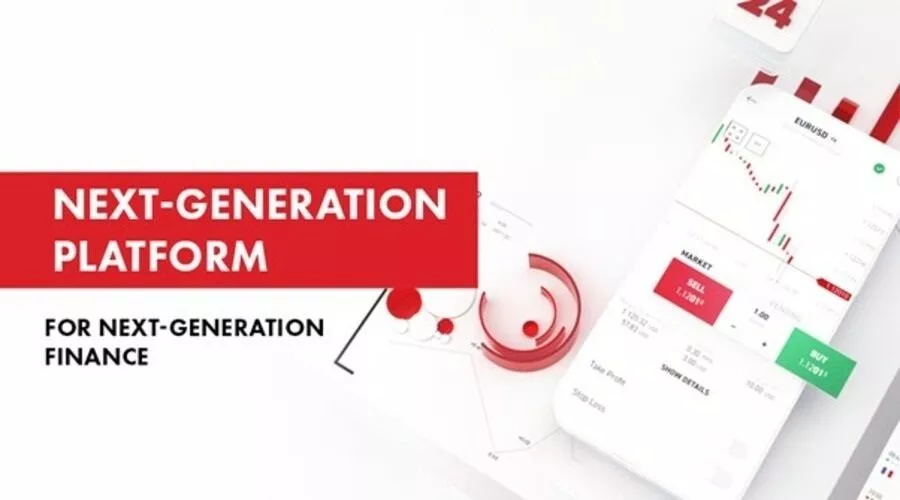
X Open Hub has long realised that the one-size-fits-all legacy platform cannot support brokerages in the long term. We've spent years perfecting our trading platform, XOH Trader, to help brokers support a diverse range of clients. Available in web, desktop and mobile app versions, our trading platform offers flexibility, customisability and opportunities for personalisation. Most importantly, the apps ensure high performance, reliability and speed across browsers and operating systems.
Cutting-Edge Trading Tools
Apart from liquidity for 5,000+ financial instruments, brokers can also set themselves apart by empowering clients with advanced charting capabilities for faster and better-informed decision-making. Plus an economic calendar, free market news, analysis and insights, heatmaps of relative currency strength and biggest gainers and losers among multiple instruments. Then there is also a stock scanner and a live market sentiment indicator. In addition, brokers can offer personalised push notifications to keep traders informed of their trading orders.
The time to move beyond legacy platforms and look at future-proof solutions is now. Contact us to learn more.
More By This Author:
Using SEC Form 13F to Track Warren Buffett’s Trades
Webull: A Great New Investment App Or "Cr"app?


Comments
Log in or sign up to join the conversation.