

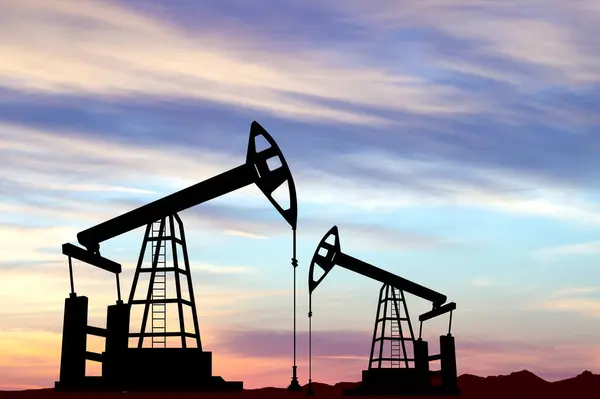
For months, macro trading desks on Wall Street and energy analysts featured across the financial media networks have warned about the potential storm that’s been building in global crude markets. That fragility has now reached a real inflection point.
Over the past seventy-two hours, the escalating conflict involving Iran, intensified skirmishes across Strait of Hormuz chokepoints, and direct hits on vital infrastructure across the Persian Gulf have triggered a violent repricing in energy.
With drone strikes hitting Saudi Arabia’s crucial 1,200-kilometer East–West Crude Oil Pipeline (Petroline) prompting a precautionary shutdown of roughly 4 to 5 million barrels per day. This means that the kingdom’s primary work around from the choked Strait of Hormuz has been severely compromised. Link here.
Together with new tanker frictions, on-again-off-again maritime restrictions, and supply chain stress that is already trickling down to consumer distribution hubs (major U.S. retailer Costco is now rationing motor oil), crude oil is no longer just an isolated energy story. Crude oil has emerged as a defining catalyst for physical gold.
While conventional thinking suggests that rising energy prices will spark inflation and could invite hawkish central bank posturing which can temporarily cause investors to seek higher-interest bearing assets, our analysis shows that the current dynamic sets up a rare asymmetric opportunity.
For strategic investors, gold is once again demonstrating its classic standing as a source of value. That’s because gold is acting both as a hedge against relentless geopolitical risk and a way to build strategic allocations for the inflationary conditions cycle ahead.
The Anatomy of an Energy Bottleneck
To understand why gold is positioned to benefit, there are three emerging factors signaling the breakdown in physical energy flows:
The Chokepoint Compounding Effect: With transit through the Strait of Hormuz severely disrupted, and instability likely to be in place for the foreseeable future, Middle Eastern producers had leaned heavily on secondary pipeline infrastructure. One of the avenues they found was a stable pipeline in Saudia Arabia. However, the shutdown of Saudi Arabia’s East–West line strips that key safety valve. The move leaves millions of daily export barrels stranded from deep-water terminals and unable to reach consumers, businesses and governments already under historic pressure.
Structural Scarcity Across the Value Chain: The real economy is showing visible signs of friction, with base oil shortages, ship freight insurance surcharges rising, and supply rationing rippling through logistics networks from Asia to North America.
The Looming Stagflation Impulse: As crude prices breached triple digits, driven by supply-side disruption (rather than high demand), central banks are facing a policy and power dilemma. If they raise rates to suppress energy-driven headline CPI, they risk choking an already slowing global economy and increasing the cost of its debt servicing. On the other side, if they do nothing, they risk contributing to stagflation.
Tactical Noise versus Strategic Realities
In the near-term, geopolitical shocks and their related aftermath offer bring about sharp oil rallies with gold often trading with short-term caution.
As someone that worked on Wall Street for years, I’ve seen that algorithmic models deployed by some of the biggest banks on Wall Street typically sell bullion on knee-jerk assumptions that rising oil will force benchmark yields higher and keep policy rates restrictive for longer.
For us at Prinsights, we have seen this play out over recent months, with gold experiencing weekly pullbacks as market participants recalibrate inflation readings and central bank rate expectations. However, this reaction creates what we view as a compelling strategic opportunity.
Historically, once markets recognize that restrictive Fed policy cannot drill new oil wells, repair bombed pumping stations, or secure maritime corridors, bond yields hit a ceiling and inflation can persist. That result can act as the single strongest long-term macroeconomic driver of gold bull cycles.
As we’ve detailed, gold functions as the quintessential hedge during periods of geopolitical friction and instability. For central banks outside of the West, the steady accumulation of bullion insulates their balance sheets from geopolitical disruptions, sanctions risk and dollar vulnerability.
Now, as energy transit lanes and lines in the Gulf are largely paralyzed, a host of risks across trade and financial investments could surge. On the other side though, physical gold carries limited exposure and a highly diminished reliance on supply lanes.
Portfolio Positioning: Hedging the Known, Navigating the Rest
At Prinsights, our core outlook remains grounded in resilience. Gold is not simply just an insurance policy to tuck away during acute panic. Gold is part of a high-conviction strategic way to position ahead of structural shifts. These play out in two key ways.
The Volatility Buffer: In multi-asset portfolios, energy spikes can compress corporate earnings. They can also lift input costs and even trigger equity market drawdowns. Gold’s historically low-to-zero relationship with broader equities during geopolitical supply shocks offers strategic investors a critical preservation cushion.
The Strategic Rebalancing Opportunity: Any near-term dips in bullion driven by temporary spikes in bond yields offer great entry points for value investors. Instead of running the risk on volatile oil prices impacted by headlines, owning physical gold or top-tier mining stocks can be a steadier way to grow returns. That’s because gold offers physical value in the face of lingering inflation or negative energy consequences.
As the month moves forward, the impact of a host of factors ranging from drone strikes on critical infrastructure and regional escalation surrounding Iran to shipping bottlenecks in Hormuz and beyond – will all have shifted the global energy landscape from managed challenges into outright raw vulnerability.
As crude prices bring sustained pressures across the global economy, the narrative around gold will pivot from rate-hike fear to investment and wealth protection. For strategic investors seeking both immediate hedging and forward-looking strategic opportunities, gold remains the asset that can help to navigate the turbulent waters ahead.
Comments
Log in or sign up to join the conversation.