

There are six forces that can be pointed to as key contributors for the rise in rates, the further drop in real estate affordability, and the refinancing angst in the commercial real estate market.
If anyone out there depends on a vibrant, active real estate market, here's the bad news: the environment is getting a little worse, as the 10-year Treasury yield is hitting levels not seen since 2007!
Being the owner of a New York title insurance company and a former bond trader, I keep a close eye on the health of the bond market and commercial and residential real estate markets, along with the macroeconomic factors at play.
Right now, to use a weather analogy, the forecast calls for storms, with a potential nor’easter on the horizon.
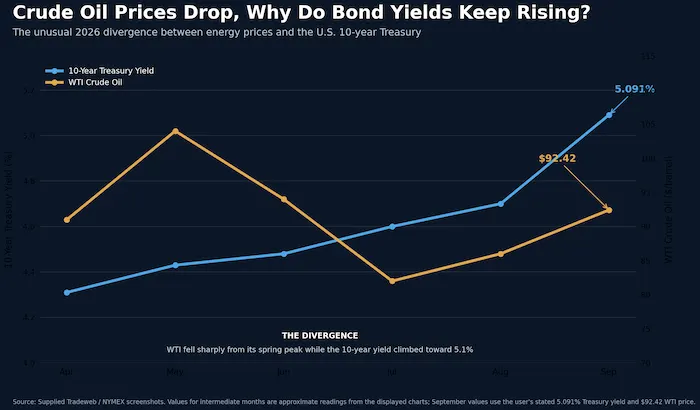
On paper, intuitively this shouldn’t be happening. WTI crude has dropped from about $106 in mid-September to around $91, which should ease inflation fears. Yet the 10-year Treasury yield just broke above 5.05%, extending a climb that began this summer.
What Are the Reasons Behind Stubbornly High and Still-Climbing Interest Rates?
The key is how the 10-year yield is built. It’s roughly the market’s expected path of Fed policy rates over the next decade, plus a “risk premium” investors demand for holding long-dated debt.
It’s no different in the mortgage market, where a spread exists between the 10-year yield and 30-year mortgage rates, in part due to risks perceived by lenders (The Mortgage Spread: What It Is, Why It Exists, And Why It Narrows and Widens).
Oil affects only part of that, and the other parts are pushing hard in the opposite direction.
1. The oil decline is recent, and oil is still high
WTI is currently above $92/barrel, up roughly 30% from its July lows in the high $60s.
‘We’ve seen this before. Crude traded below $70 in July on expectations that a U.S.-Iran MOU would de-escalate the conflict, then rebounded as the two sides resumed attacks and inventories fell.’
‘The latest pullback came as renewed hopes for a diplomatic solution with Iran pushed oil down. Bond investors have learned not to trust hopes like that until a deal actually holds.’
2. The inflation shock has already spread beyond energy
‘Core CPI rose 0.3% month over month in August, above forecasts, while headline inflation climbed to 3.4% year over year.’
Higher diesel and transport costs feed into core goods and services with a lag. That pass-through is already underway, whatever oil does next.
‘Fed Chair Warsh told reporters that this summer’s inflation readings don’t show a meaningful improvement in underlying trends.’
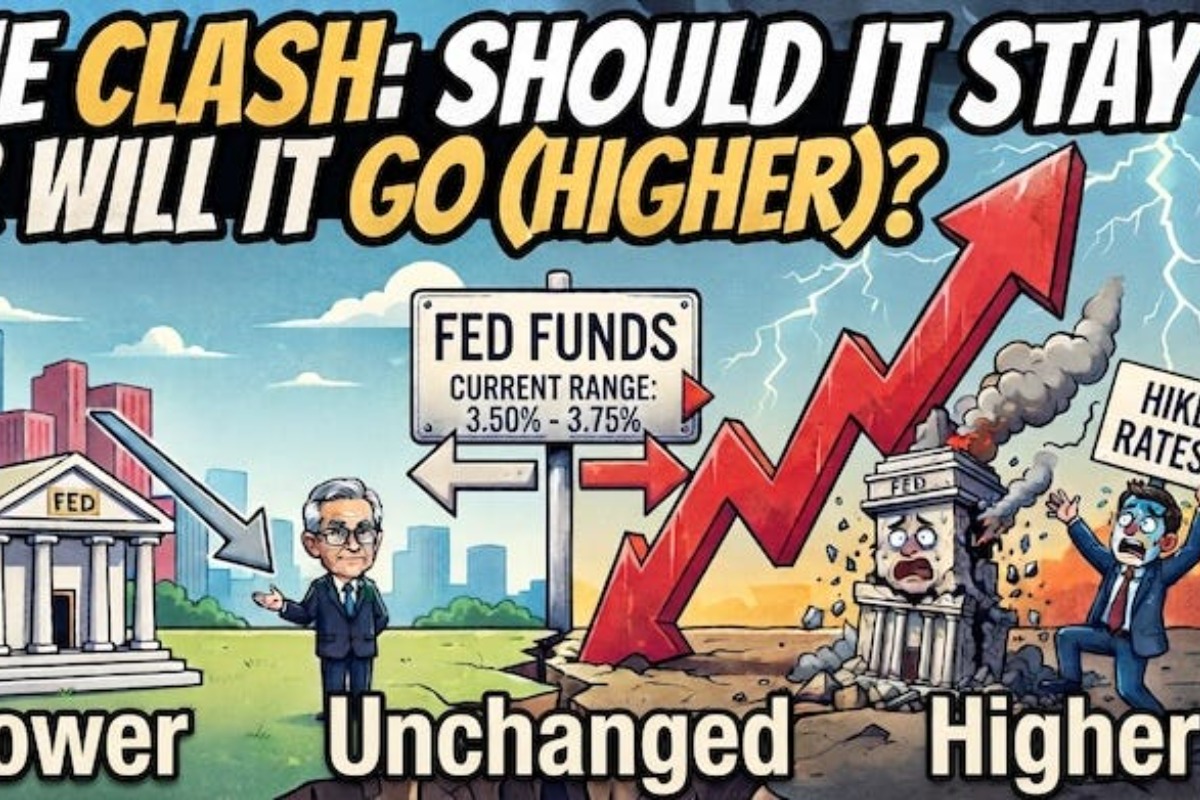
3. The Fed has started hiking, and markets expect more
The Fed raised rates 25 basis points for the first time in three years, moving up its target range to 3.75%–4%.
Members of the FOMC seem to agree that at least one more rate hike will be required this year.
The shorter maturities show it clearly. Since September 16, 2025, 2- and 3-year yields have risen the most, pointing to rate expectations as the main driver rather than oil alone.
4. The term premium is rising on heavy supply and fewer buyers
Governments keep issuing more debt, both to refinance maturing bonds and to fund deficits, a need that inspired the article The Point Of No Return For Lower Interest Rates?.
Central banks are no longer buying government bonds through QE, and demand from other traditional buyers is cooling, leaving the market more reliant on price-sensitive investors (U.S. Treasury Bond Investors...Have Diamond Hands Become Paper Hands?).
Companies, such as those in the AI space, are competing for the same money that governments are. The Treasury market now has a voracious appetite, competing with corporates for investor capital.
Investors also want to be paid for fiscal risk. We speak all the time about massive debt, huge deficits, and government dysfunction as a driver for an increasing risk premium being demanded by investors
5. AI-driven growth keeps the economy running hot
Huge levels of corporate borrowing to fund AI spending are flooding markets with debt, while at the same time adding stimulus to an already resilient U.S. economy.
Strong growth argues for higher real interest rates (rates - inflation) and makes a quick return to rate cuts less likely.
Stocks haven’t cracked yet. We would typically expect rising yields and high oil prices to end a bull market, but corporate earnings keep climbing.
6. Yields are rising worldwide
Yields in Japan are rising in a way that has not been seen by the bond market in a very long time (Japan’s 10-Year Bond Yield Over 2% WAS A Big Deal! Now, We’re Approaching 3%!) The Bank of Japan raised rates by 25 basis points to 1.25%, its highest level in 31 years.
The yen carry trade is ending. Investors borrow cheaply in Japan to buy higher-yielding assets abroad. No more!
As Japanese yields rise, money that funded foreign bond purchases can flow back home, reducing demand for Treasuries.
So Where Do We Stand Now, And Moving Forward?
That mirror move between crude oil prices and bond yields is now breaking down, because the 10-year reflects slower-moving forces: an inflation shock already in the core data, a Fed that has started hiking, heavy debt supply, AI-fueled growth, and rising yields worldwide.
None of those reverse when oil drops $15 in a week.
The 5%+ 10-year and 30-year Treasury yields matter. The move above 5.06% puts the 10-year at its highest level since July 2007, before the Global Financial Crisis.
The damage to the economy, led by real estate, moves somewhat slowly. These yields don’t break anything the day they arrive, but the strain shows up 12 to 18 months later, when debt has to be refinanced at the new rate. We've seen this phenomenon firsthand over the last couple of years in the commercial real estate market, and it will be exacerbated further now.
What to watch that could potentially help: whether any Iran de-escalation actually holds, September’s inflation numbers, Fed guidance on further hikes, Treasury auction demand, and the path of Japanese yields.
Comments
Log in or sign up to join the conversation.