

In typical Canadian fashion, the Carney government did not express any immediate reaction to the repudiation of Trump’s economic policies expressed in yesterday’s mid-term elections. Nonetheless, the bilateral landscape was fundamentally reshaped now that so much of the electorate voted against Trump’s trade policy. Granted, political scientists and trade experts are quick to point out that the executive branch has control over the bulk of tariffs affecting Canada.
As the implications of Trump’s losses sink into the body politic, it is more likely that there will be progress towards a resolution on the outstanding bilateral trade issues. None expect any immediate relief from an array of tariffs aimed at Canadian exports. But when negotiations resume, the Trump administration will be in a considerably weakened position. Prime Minister Carney was wise in walking out from earlier negotiations, questioning US sincerity regarding Canadian sovereignty.
The primary northern border states that turned against Trump's trade policies include:
Maine: A 30-year veteran Senator, Susan Collins, was defeated; Maine occupies a top spot, importing such essential commodities as electricity, heating oil, and forest products from Canada, all subject to tariffs.
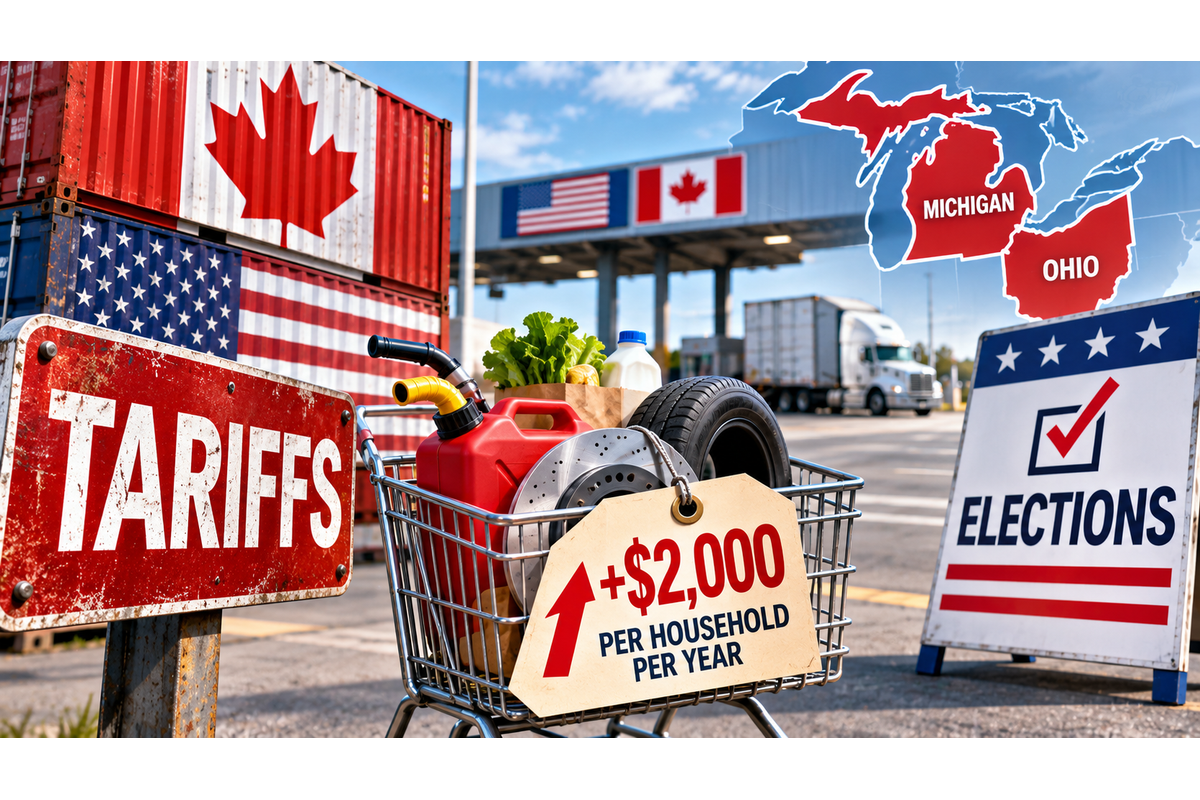
Michigan: Workers faced job losses from tariff interference in the 50-year-old free trade autopact; making matters worse, broad tariffs on Canadian steel and aluminum, alongside auto sector duties, created severe price pressures and threatened automotive manufacturing jobs in the state.
Ohio: Voters turned against an incumbent Republican Senator; this major industrial state rejected the administration’s aggressive tariffs on aluminum and steel products from Canada.
Midwest and upper border states: Rejected Trump’s tariffs on agricultural products and heavy equipment, as well as retaliatory tariffs on US food exports produced locally.
How will the dynamics in Congress impact Canada–US trade talks? While Congress has exclusive control over tariffs derived from decades of legislation, Trump has simply ignored Congress entirely and acted upon his whims. However, Congress does control the "power of the purse" and can exercise considerable control through budgetary measures. Lastly, we can expect Congressional oversight committees to expose the impact tariffs are having on supply chains and subsequently on inflation.
Until the dust settles in the US political arena, it is unlikely that PM Carney will ramp up his trade team. There is no rush to open up talks while the administration is trying to come to grips with what happened on Nov 3rd. Whenever talks renew, Canada’s position is much stronger—or, put another way—the US position has weakened measurably.


Comments
Log in or sign up to join the conversation.