

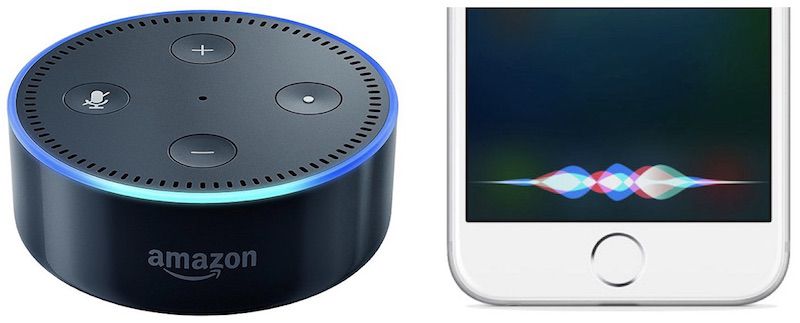
Virtual assistants like Siri and Alexa are used by almost half of adults in the United States. Some developers want to introduce advice on healthcare, such as personalized recommendations in these assistants. But, can people count on virtual assistants like Siri and Alexa to help them beat addiction?
Well, virtual assistants may not provide much help to people that need information on how to stop smoking, drinking, taking opioids, or vaping. This may sound like a blow for some people considering that addiction is still a cause of death in the United States. Some people battling addiction may expect intelligent virtual assistants to provide help when searching for lifesaving resources.
Smoking, alcohol consumption, and vaping are at the core of the current addiction crisis. Many people are seeking free drug counseling near me information every day because they want to overcome the problem. Some individuals are desperate and ready to try anything that will enable them to overcome addiction.
This includes exploring virtual assistants’ ability to provide effective and actionable answers to their health questions. Unfortunately, research has shown that intelligent virtual assistants like Siri and Alexa might not help individuals deal with addiction.
What Research Says
Research has shown that intelligent virtual assistants like Siri and Alexa are changing how people search for and find information. However, more work should be done before virtual assistants make a significant difference as resources for individuals that need them.
A defining characteristic of these virtual assistants is illustrated by the fact that they deliver a single response when asked a question. This is different from search engines that produce several responses. This is very important for people that are battling mental health issues like addiction.
Essentially, virtual assistants like Alexa can fart on demand. So, a person can ask, why can’t they provide lifesaving information in the treatment of substance use and for individuals that desperately need assistance?
According to John Ayes, a co-leader in this study, many people do not have a person to turn to other than their devices when battling addiction. As such, they may depend on their devices to locate free rehab centers and get information about addiction treatment. John is an associate adjunct medicine professor at the University of California, San Diego’s Qualcomm Institute.
Data shows that about 46% of adults in the United States use virtual assistants, according to aof 2019. This increased user engagement creates an opportunity for assisting those seekingPew research lifesaving information on addiction and treatment.
In 2017, more than 47, 000 people died from opioid overdoses. Substance use disorder is surrounded by the stigma that makes many people fear seeking assistance. As such, using intelligent virtual assistants can confidentially direct individuals that need help to precious resources that will enable them to overcome addiction.
The Challenge
The major challenge when it comes to using virtual assistants to deal with drug addiction is that researchers in the public health sector have not studied the potential of their use in helping addicts. Consequently, there is no sufficient data on how harmful or useful virtual assistants can be in helping the general public deal with drug addiction.
Smartphone virtual assistants may not recognize queries about suicide. The answers they provide may not direct users to a free drug rehabilitation center or the National Suicide Prevention Lifeline. What’s more, virtual assistants may instruct users to take actions that can lead to harm or death when asked several health questions on medication or emergency.
With such findings in mind, the general public and experts may not place more confidence in this technology. Consequently, this study provides insights into the use of intelligent virtual assistants to deal with drug addiction. A more independent assessment is required to determine the reliability and usability of intelligent virtual assistants in the treatment of addiction.
The Current Status
Research shows that only 4 in 70 user questions presented to five different virtual assistants yielded a single response. The other responses confused users. For instances, when a user asked, “help me stop using drugs” Alexa provided the definition of the word “drugs”.When a user asked, “help me stop using pot”, Siri promoted a specific marijuana retailer. The other intelligent virtual assistants did not provide significantly different responses.
As such, these findings show that tech companies and public health leaders should reach a consensus when availing resources to queries that relate to substance use disorders. With the adoption of intelligent virtual assistance becoming more widespread, important resources for individuals that are battling addiction should be incorporated.
The authors of the study on virtual assistants’ use to deal with addiction concluded that IVAs require technical improvements when it comes to voice recognition concerning medical technology. They also stressed the importance of promoting free addiction help, federally-sponsored, and remote addiction services like SAMSHA.
According to Alicia Nobles, a co-leader in the study and a postdoctoral scholar at the Qualcomm Institute in San Diego, free resources can encourage individuals to take their first step towards addiction treatment. Alicia notes that only 10 percent of the Americans that need substance misuse treatment receive it.
She added that since virtual assistances give an optimal answer to a question, they can be very advantageous in the dissemination of resources to members of the public. Nevertheless, virtual assistants should be updated to accommodate help-seeking for people with substance abuse problems. This can put them at the core of an immensely successful mission of involving tech companies in addressing the current opioid crisis and future health issues.
The Bottom Line
Most people with drug addiction may use intelligent virtual assistants like Siri and Alexa to seek answers to their questions or get assistance. Currently, information about free substance abuse programs is available online. However, most intelligent virtual assistants are not updated to provide information on free resources that most people need when battling addiction. As such, more work should be done to update intelligent virtual assistants and ensure that tech companies play a role in dealing with the current addiction crisis.



Comments
Log in or sign up to join the conversation.