

Image Source: Unsplash
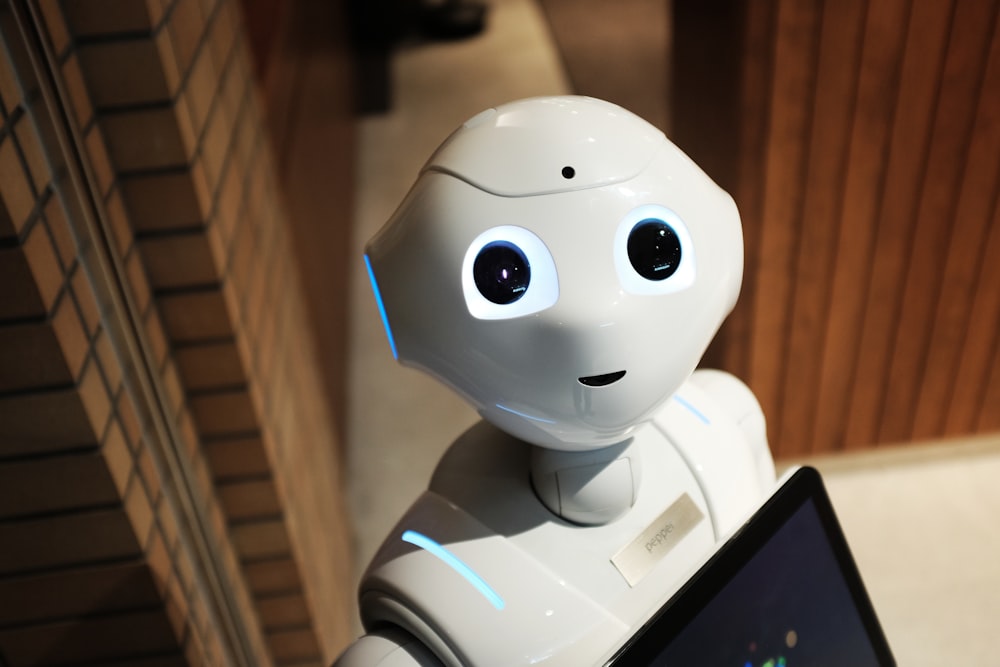
Robots are often depicted in movies and books as taking over the world and making humans their primary target. This fear of robots taking our jobs seems to be a real concern—a sentiment echoed by Elon Musk, who famously stated, "There is no job that a robot can't do in the future." But is this a future we should fear, or is it an evolution that holds the potential for a new era of human prosperity?
Humanoid Helpers in the Home
In the home, early generations of humanoid robots are beginning to take on everyday chores and support tasks, especially in test programs and high-end pilot deployments. Today, depending on the specific model and setup, a humanoid robot can be trained or remotely guided to:
- Wash, dry, and fold laundry
- Clear tables, load and unload a dishwasher, and wipe counters
- Pick up clutter, sort items into bins, and carry objects around the home
- Vacuum or mop floors
- Open doors, navigate hallways, and move safely around furniture and obstacles
- Take out trash bags or sort the recycling
- Bring drinks or snacks from the kitchen to another room
- Help monitor for falls or emergencies and notify a human caregiver or service
- Interact by voice, answer questions, and control some smart-home devices
These capabilities are still in their beginning stages, often slow, and sometimes require remote human supervision, but they provide a preview of what fully autonomous general-purpose home robots will eventually offer.
Healthcare and Caregiving Bots
The concept of a personal healthcare robot also may not be far away. Think about an 80-year-old who wants to remain independent in their own home. This individual could wear a health monitor that transmits vital signs to a home robot. In the event of a heart attack, the robot could be programmed to immediately notify emergency services or possibly even defibrillate the patient, saving precious time until medical professionals arrive.
This technology could even extend to scheduling doctors' appointments. The robot, equipped with your medical history, could access your insurance network and schedule appointments with specialists based on your needs. The future of surgery itself could also be dominated by robots. Already, companies like Intuitive Surgical are developing robots that can perform minimally invasive procedures with unmatched precision.
Robots in medicine have evolved far beyond surgical arms however. Hospitals now use autonomous delivery bots to transport supplies and medication safely through busy corridors. Robotic nurses, such as Diligent Robotics’ “Moxi,” assist with daily tasks, letting healthcare professionals focus on direct patient care. In eldercare, home companion robots—like those being piloted in Sweden and Singapore—already offer emotional support, monitor vital signs, and alert emergency responders when anomalies occur. With aging populations and healthcare worker shortages worldwide, this hybrid of empathy and engineering promises to redefine caregiving.
The Economic Windfall: A Double-Edged Sword
From an employer's perspective, robots offer undeniable allure. There are no salaries to pay, no benefits to provide, and no training costs to incur. Aside from maintenance requirements, robots work tirelessly, don't take vacations, and never call in sick. The potential cost savings could be astronomical.
However, this economic windfall comes at a cost—the displacement of human workers. Jobs that were once the backbone of the middle class could vanish, leading to unemployment, social unrest, and economic disparity. This is a legitimate concern that needs to be addressed.
The Dawn of a New Era: Jobs Lost, Jobs Gained
The good news is that history suggests technological advancements, while disruptive, ultimately create new opportunities. The Industrial Revolution displaced countless agricultural workers, but it also gave rise to new jobs in factories and urban centers. Similarly, the rise of robots will likely lead to the creation of entirely new job categories.
These new jobs will likely be in the fields of robot design, maintenance, and programming. There will also be a need for human oversight and management of these complex machines. Additionally, robots will free up human workers to pursue more creative and intellectual endeavors.
Transforming Education
The impact of robots will extend beyond the workplace. Imagine a future where robots act as tutors and assistants in the classroom. These intelligent machines could tailor their teaching styles to individual students, identifying knowledge gaps and adjusting their approach accordingly. This personalized learning environment could revolutionize education, ensuring that every student reaches their full potential.
Furthermore, robots could handle the administrative tasks that often burden teachers, freeing them up to focus on student interaction and curriculum development. This could eliminate the "ideology-driven personal objective" that can sometimes creep into traditional classrooms. Robots, programmed with a neutral and objective curriculum, can deliver information in a clear and unbiased manner.
The cost savings associated with robotic assistants in the classroom could be immense. Schools would require fewer human teachers, and the personalized learning approach could potentially reduce the need for special education programs. The funds saved could be redirected toward other critical areas, such as hiring more counselors, reducing class sizes, or investing in cutting-edge technology that further personalizes the learning experience.
However, the potential benefits of robotic assistants in education extend far beyond cost savings. Imagine a student struggling with math concepts. A robotic tutor could patiently identify the student's specific area of difficulty and present the information in a way that resonates with their learning style. This personalized approach could be a game-changer for students who learn differently.
Beyond the Classroom Walls: Lifelong Learning with Robot Mentors
The impact of robotic educators wouldn't be limited to traditional classrooms. These intelligent machines could become lifelong learning companions. Imagine a retiree who wants to learn a new language. A robotic tutor provides customized lessons, adjusts to the individual's pace, and offers constant encouragement and feedback.
The Human Touch: The Irreplaceable Role of Teachers
While robots offer exciting possibilities, it's important to remember that they are not replacements for human teachers. The human touch—the ability to inspire, motivate, and connect with students on a personal level—is irreplaceable. Teachers will continue to play a vital role in fostering a love of learning, developing critical thinking skills, and providing social and emotional support to their students.
The Future of Education: A Symphony of Human and Machine
The future of education likely lies in a collaborative model, where robots handle rote memorization and repetitive tasks, while human teachers focus on the more nuanced aspects of education—critical thinking, creativity, problem-solving, and social-emotional learning. This symphony of human and machine intelligence has the potential to create a truly transformative learning experience for all students.
Conclusion: Embracing the Future with Open Arms
The rise of robots in the home, workplace, and the classroom presents a multitude of thorny challenges and issues, but it also offers unprecedented opportunities. By approaching this technological revolution with a spirit of open-mindedness, collaboration, and a commitment to human well-being, we can harness the power of robots to create a brighter future for all. The road ahead will require careful planning and a willingness to adapt. But if we embrace this future with open arms, robots can become not a threat, but a powerful tool for progress, ensuring a world where everyone has the opportunity to learn, grow, and thrive. Or at least until they take over humanity due to their superiority. I hope I’m not terminated.
More By This Author:
Silver’s Acceleration Phase: David Morgan On The Final Phase Of The Bull Market
“Our Dollar, Your Problem”: Debt, China, And The Dollar’s Fragile Reign
AI: Real Revenues, Real Cash Flow, Real Infrastructure – And This Is Only Phase One



Comments
Log in or sign up to join the conversation.