


Image Source: Pixabay
For decades, silver was the overlooked sibling of gold—until now. In a historic move, the U.S. government has officially declared silver a “critical mineral,” elevating its status to that of lithium, copper, and rare earths for the first time ever.
Against this backdrop, silver prices just hit a new all-time high of $59/ounce and renowned metals analyst David Morgan is sounding the alarm: the silver market is entering what he calls an “acceleration phase”—the final, most explosive stretch of a long-running bull market.

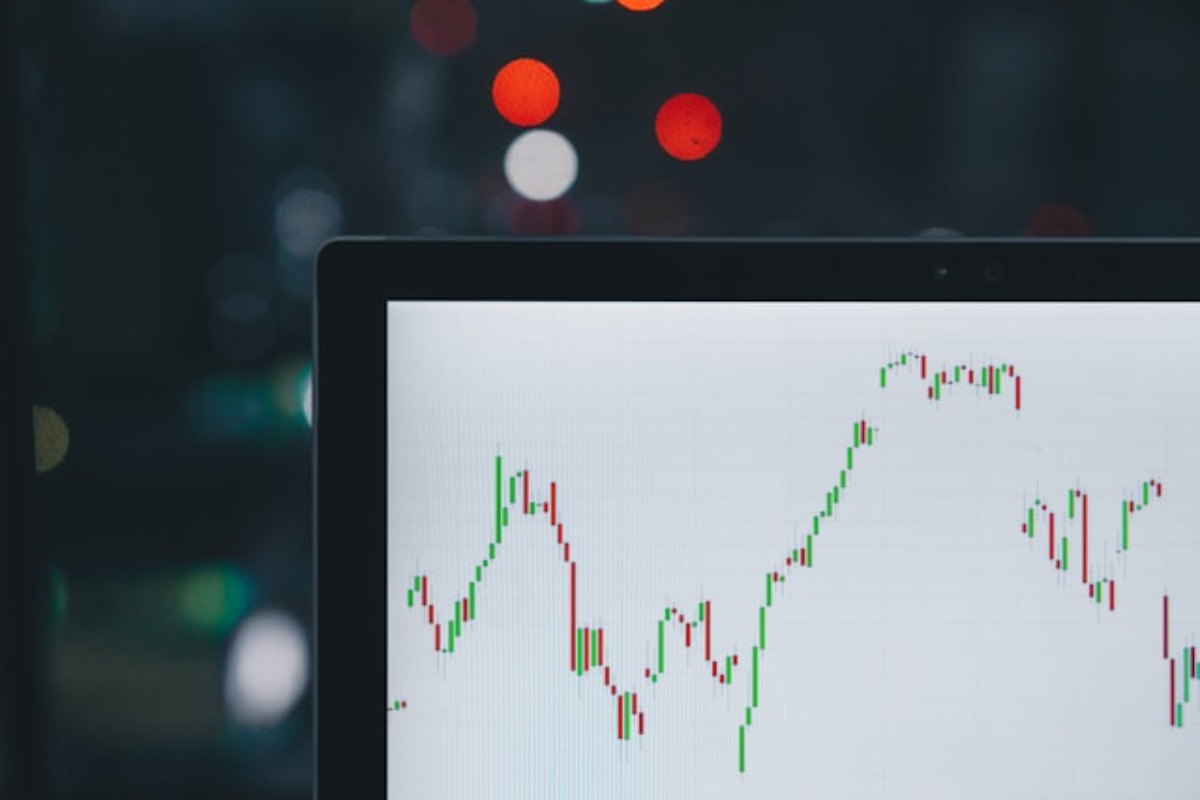
Source: https://www.apmex.com/
With demand surging, supplies tightening, and silver’s new strategic designation set to draw even more attention from governments, industry, and investors, Morgan suggested the possibility of silver reaching as high as $100/ounce during the current bull market. Here’s what he had to say in a recent interview with Financial Sense Newshour.
Increasing Momentum: “Numbers That People Don’t Believe”
While some market watchers claim that gold and silver have already peaked, Morgan suggests that the current price action is simply the early part of a final, accelerating phase. He recalls advice from industry veteran Jeff Christian: “Ninety percent of the move comes in the last ten percent of the time.” According to Morgan, “We are in the acceleration phase of this bull market, and I think, as the final phase, we’re going to see numbers that maybe people don’t really believe at this point in time.”
He projects this phase might last “a year and a half, two and a half years more” before a reset—possibly involving a digital dollar or a new currency system—reshapes the landscape.
Silver Supply: Morgan’s Take on the Numbers
Morgan draws attention to what he sees as a tighter silver market than is often assumed. While industry groups cite an estimated 3.6 billion ounces above ground, Morgan notes that much of this is held in forms not readily available for sale, such as coins, medallions, and exchange-traded funds. “If you look at what’s already accounted for,” he explains, “that is 700 million—a little touch above that—in the ETFs. So now we're down to roughly maybe 500 million ounces or thereabouts. And that’s almost exactly the number that’s sitting on the COMEX right now.”
He further points out recent events like India’s largest metal refinery running out of silver for the first time ever—a development he views as indicative of market tightness. “We’re looking at eating that up this year, no problem whatsoever,” Morgan warns, suggesting the shortages could quickly intensify.
Silver Now a Critical Metal
Morgan attributes silver’s recent surge not only to investment demand, but also to strong industrial and sovereign interest. “Almost all industrial demand plus investors—retail investors outside of North America—and some institutional participation that I would consider very light at this point,” he notes.
Recent policy changes have added new dimensions to the demand outlook. Notably, in 2025, the U.S. government officially classified silver as a critical mineral for the first time, including it on the federal Critical Minerals List published in November 2025. This strategic designation recognizes silver as essential to U.S. economic and national security, placing it alongside metals such as lithium, copper, and rare earth elements.
Morgan previously speculated that such a move could amplify official-sector demand, and the new classification may now support a range of policies, including:
- Potential for government stockpiling: The critical status could lead to strategic reserves of silver.
- Support for domestic mining and refining: The designation may encourage investment in U.S. silver production and supply chains.
- Closer monitoring of supply risks: The government may now track silver supplies more closely due to its importance for defense, clean energy, and advanced technologies.
Other factors Morgan highlights include:
- Sovereign buying: Countries such as Russia and Saudi Arabia have reportedly been increasing their silver holdings.
- Industrial use: Morgan points to China’s dominant role in solar panel manufacturing as a significant and ongoing driver of demand.
From Morgan’s perspective, these developments—combining industrial, investment, and official-sector demand—contribute to a supply-demand equation that, in his view, could put further upward pressure on silver prices.
The Gold-Silver Ratio: What It Might Mean
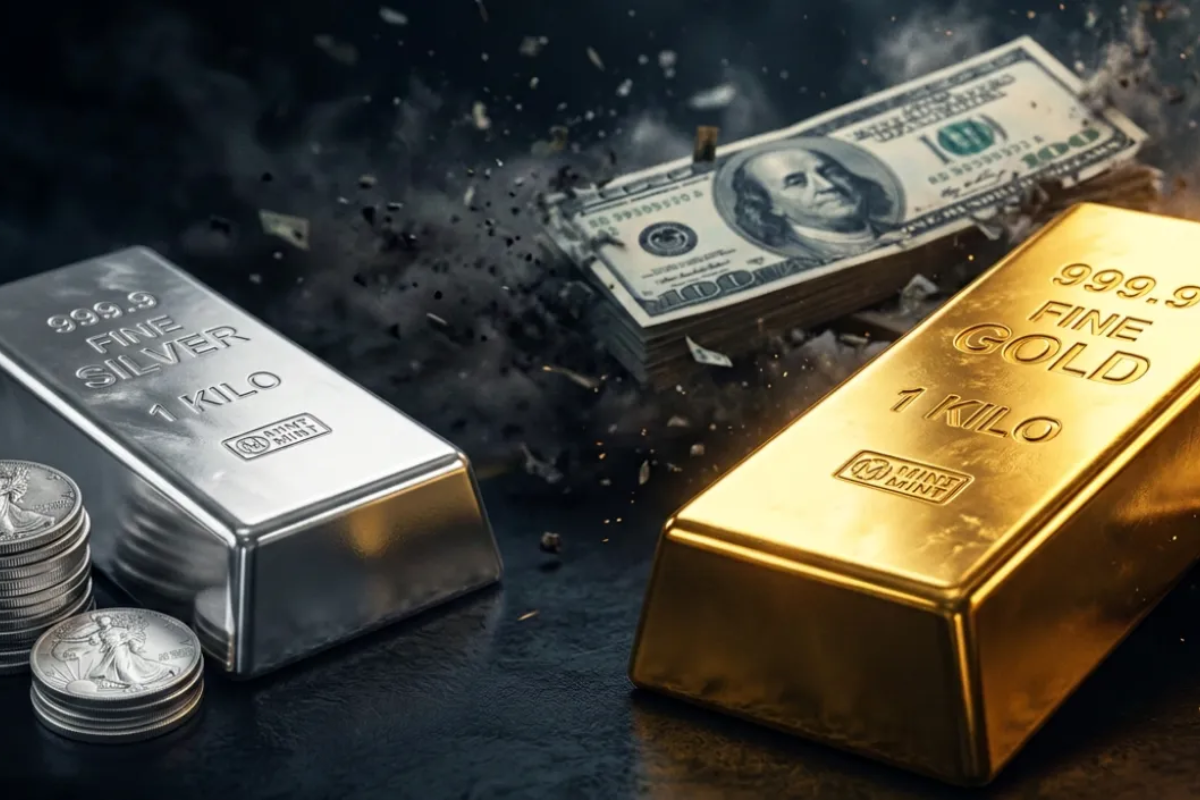
Morgan also devotes attention to the gold-silver ratio, which he describes as a useful gauge for assessing silver’s relative valuation compared to gold. The gold-silver ratio measures how many ounces of silver are required to purchase one ounce of gold. Historically, this ratio has averaged around 50, meaning it would typically take 50 ounces of silver to equal the price of one ounce of gold. In recent years, however, the ratio has often been much higher, sometimes exceeding 70 or even 80—a level that, in Morgan’s view, signals silver may be undervalued relative to gold.
For Morgan, this persistent deviation from the historical average suggests that silver could have significant room to appreciate if market dynamics revert closer to long-term norms. He notes that during previous bull markets, such as in 1980 and 2011, the gold-silver ratio contracted sharply as silver prices rose more rapidly than gold. If a similar contraction were to occur in the current cycle, it could potentially support substantially higher silver prices.
Morgan also frames his expectations in the context of possible future gold prices. If gold were to move to $5,000 per ounce—a price target discussed by some analysts and commentators in the metals space—then, with a gold-silver ratio of 50, silver would correspondingly reach $100 per ounce.
It is important to note that while the gold-silver ratio can be a helpful historical reference, it is not a guarantee of future price movements, and many factors can influence the relationship between the two metals.
Mining Stocks: Morgan’s Conviction on Value
Despite rising metals prices, mining stocks have lagged, which Morgan sees as a potential opportunity. He states, “These stocks are selling for the price of gold and silver of 5, 6, 7, 8 years ago, and they’re just now awakening.” He cautions against repeating mistakes of past cycles, recalling how stocks often lagged and then made significant moves as profits improved.
Morgan also commented on valuations in mining equities. He views these companies as growth stocks currently trading below their net asset value, but believes that few have noticed—yet.
Geopolitics and the Return to Real Money
Morgan places current metals market trends within the backdrop of major geopolitical and monetary shifts. He notes that in recent years, central banks globally have been accelerating their gold purchases, signaling a move away from exclusive reliance on the U.S. dollar. This strategy, in Morgan’s view, reflects growing concerns about the stability and political risk associated with fiat currencies, particularly as some nations seek protection from potential sanctions or volatility in global markets.
He describes this as a renewed emphasis on “money with integrity,” suggesting that gold’s enduring reputation as a store of value is regaining importance. “We’re coming back to something of integrity. And I think that trend is really just getting started as far as an awareness phase is concerned,” Morgan observes, pointing to a gradual but significant rethinking of what underpins trust in money.
Morgan highlights China and the BRICS bloc as central players in this shift. These countries have not only increased their official gold reserves, but have also advocated for alternative settlement systems that could eventually reduce global dependence on the U.S. dollar. He believes that such developments—alongside discussions of gold-backed trade arrangements—underscore a trend toward gold resuming its traditional role as a settlement currency and foundational asset in global finance.
While Morgan acknowledges that these changes are still unfolding, he suggests they could have a lasting impact on the demand for precious metals and on the structure of the international monetary system.
More By This Author:
“Our Dollar, Your Problem”: Debt, China, And The Dollar’s Fragile ReignAI: Real Revenues, Real Cash Flow, Real Infrastructure – And This Is Only Phase One
From Fiscal Band-Aids To AI Shakeout: Why Markets Remain On Edge
Comments
Log in or sign up to join the conversation.