


Image Source: Pexels
Vistra (VST) is one of the largest competitive power generators in the U.S., and has emerged as a key player in the tech-fueled energy boom. It is leveraging its robust portfolio of nuclear power plants to satisfy the insatiable energy demands of artificial intelligence (AI).
As data centers proliferate to power AI advancements, Vistra's reliable, carbon-free nuclear output has become indispensable. Earlier this month, the company announced 20-year power purchase agreements with Meta Platforms (META) to supply over 2,609 megawatts of zero-carbon energy from three nuclear facilities in the PJM Interconnection region, a 13-state market that manages wholesale electricity distribution for 67 million people. This includes 2,176 MW from existing operations and 433 MW from planned uprates, with deliveries starting in late 2026 and reaching full output by 2034.
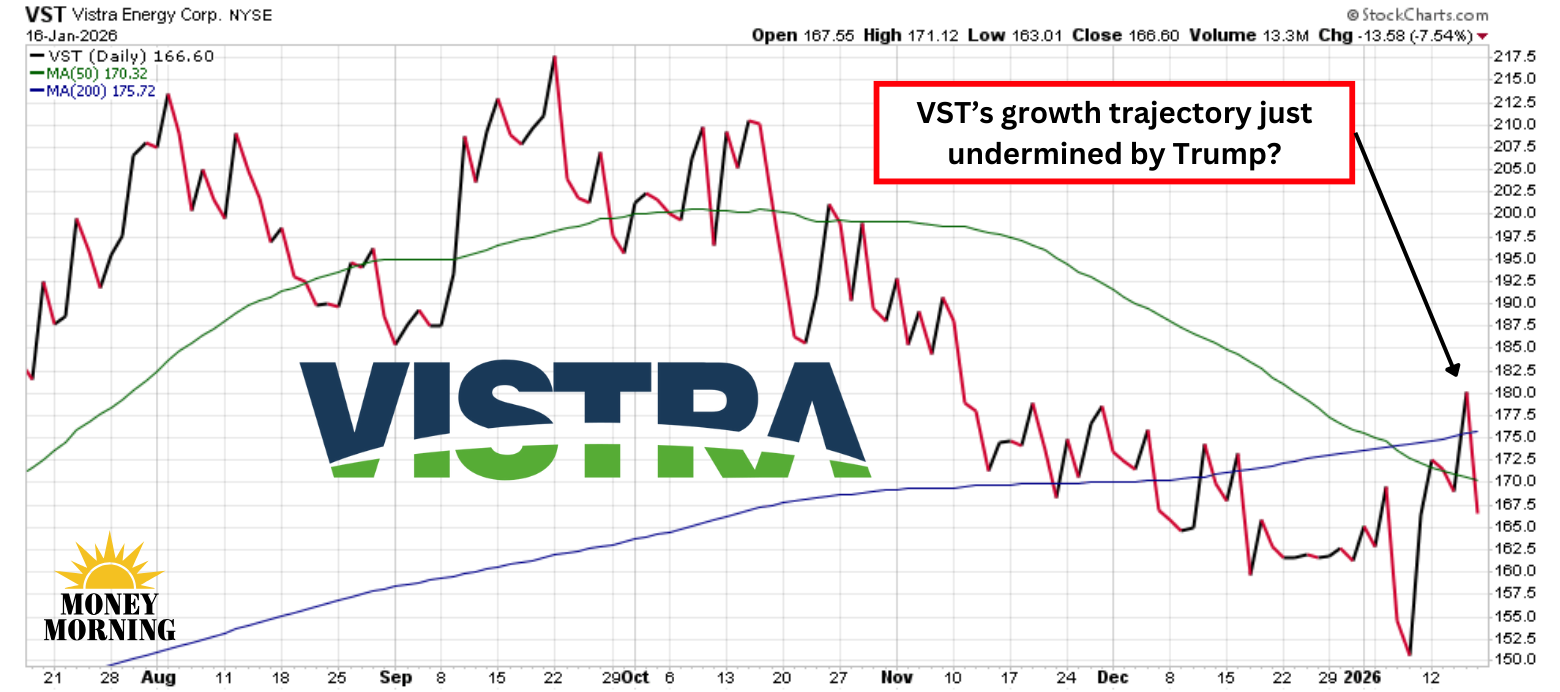
These deals not only secure long-term revenue for Vistra but also add more than 15% new capacity to the grid, positioning the company at the forefront of a multi-billion-dollar opportunity in the energy sector. However, President Trump may have just undermined VST's growth trajectory with his recent energy auction proposal.
Understanding the PJM Interconnection
The PJM Interconnection is the largest regional transmission organization in the U.S. It coordinates the movement of electricity, ensures grid reliability, and operates capacity auctions to secure future power supplies. These auctions determine how much generators like Vistra are paid for making their capacity available, balancing supply and demand while promoting competition.
Vistra holds a substantial stake in this market, with approximately 24% of its total capacity– around 44,000 megawatts – located within PJM. In recent auctions, including the 2026-2027 and 2027-2028 planning years, Vistra cleared significant volumes, or about 10,566 MW at capped prices around $333.44 per megawatt-day, which highlights its heavy exposure to PJM's volatile dynamics amid surging AI-driven demand.
(Click on image to enlarge)
Trump's PJM Auction Plan
Last Friday, the Trump administration, alongside governors from PJM states, urged the grid operator to hold a one-time "emergency" capacity auction. This non-binding plan aims to procure up to $15 billion in new power plants through 15-year contracts, with data center operators, including tech giants like Meta, Amazon (AMZN), and Google, bidding directly and potentially footing much of the bill. It also proposes two-year price caps on future standard auctions to curb rising costs for residential users, while prioritizing rapid new builds – often favoring natural gas or other reliable sources – to address PJM's recent failure to meet reliability targets.
For Vistra, this could spell trouble. The influx of subsidized new capacity risks depressing auction clearing prices, eroding revenues from its merchant-exposed PJM assets. Existing nuclear plants, despite their reliability and Meta-backed contracts, might face competition from these new entrants, potentially sidelining Vistra's advantages in the AI energy space.
Market reactions were immediate: Vistra's stock dropped 7.5% to close at $166.60 following the announcement, reflecting investor concerns over policy intervention favoring new generation over incumbents.
Bottom Line
Because the final form of Trump's plan remains uncertain and is non-binding, the explosive growth in AI demands could still propel Vistra forward, overriding short-term constraints by boosting overall energy needs and supporting nuclear expansions.
Yet, the clear run higher has now been substantially clouded by this proposal, introducing fresh policy risks to what had been a strong growth narrative.
More By This Author:
DraftKings Tumbles On NCAA Betting Ban Proposal. Should You Buy The Dip?
Western Digital Is Riding the AI Boom. Does This Rocketship Ride Ever End?
Bitmine Immersion Makes $200 Million DeFi Bet On MrBeast



Comments
Log in or sign up to join the conversation.