
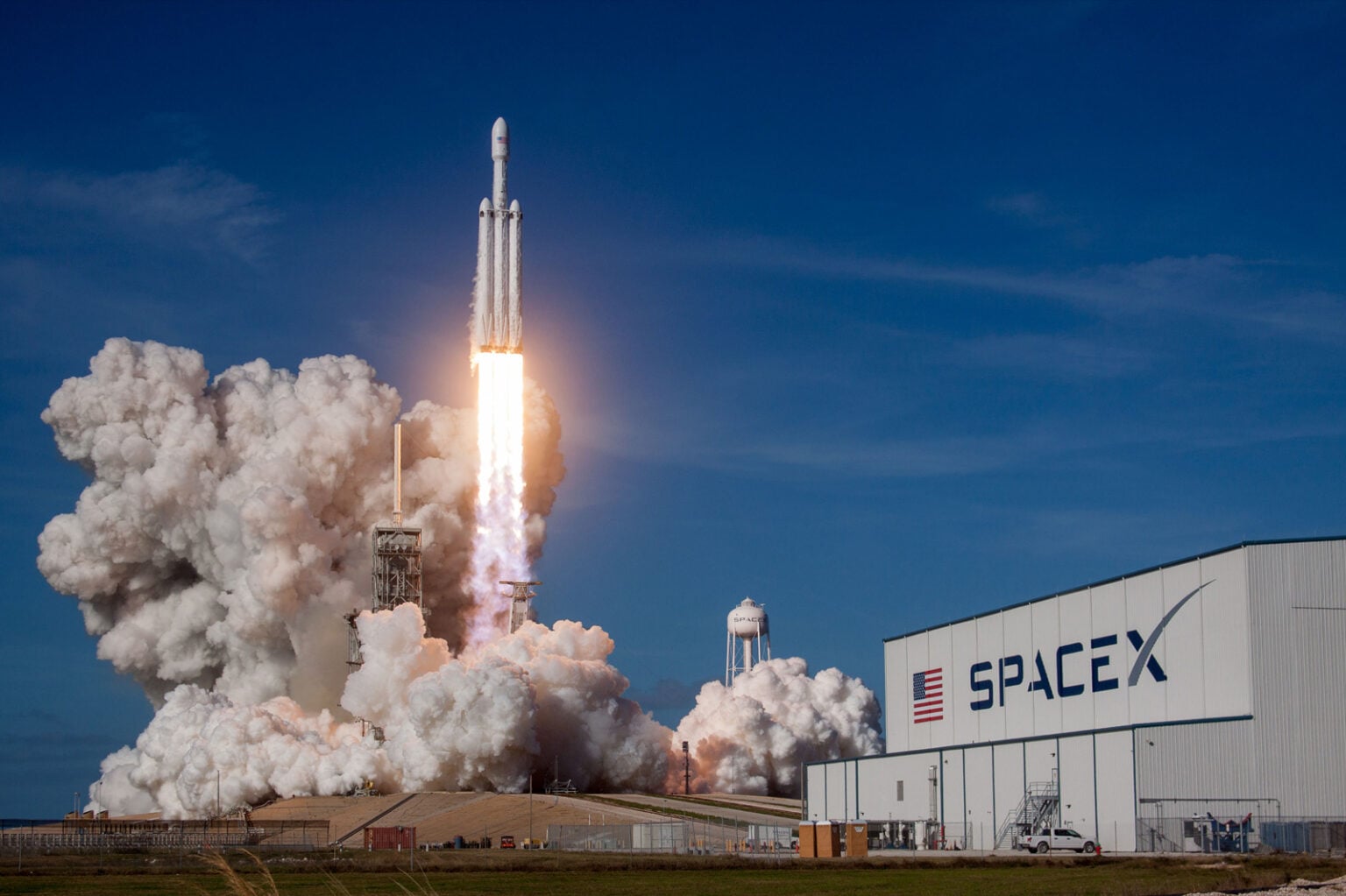
SpaceX is poised for a blockbuster initial public offering in 2026, with CEO Elon Musk aiming to raise $30 billion in fresh capital. This would eclipse the record set by Saudi Aramco's 2019 IPO, which hauled in $25.6 billion. Amid a surge in interest for space-related stocks – fueled by advancements in satellite tech, reusable rockets, and interplanetary ambitions – investors are buzzing.
SpaceX's dominance in commercial launches and its Starlink internet constellation have positioned it as a trailblazer. Yet, as the IPO hype builds, many are pondering: Is jumping in early a smart bet, or could the stellar valuation lead to otherworldly disappointments?
Musk's Ambitious Valuation
Musk's confidence in raising $30 billion stems from SpaceX's explosive growth. Valued at around $800 billion today, the company could hit $1.5 trillion post-IPO, rivaling Musk's other company Tesla (TSLA).
Key drivers of the valuation include Starlink's subscriber base, which exceeds 9 million after doubling users in 2025, and generating billions in recurring revenue, as well as SpaceX's near-monopoly on heavy-lift launches for satellites and cargo. Partnerships with NASA and the Pentagon provide steady contracts, while innovations like Starship promise cost reductions for Mars missions and beyond. Musk also envisions this funding accelerating AI integration – he has promised "data centers in space" –and lunar bases, appealing to investors chasing the next big tech frontier.
However, skeptics argue the target may falter. SpaceX's valuation relies heavily on speculative future revenues from unproven ventures, echoing the overoptimism in past mega-IPOs. Market volatility in the space sector could dampen enthusiasm. Moreover, Musk's mercurial leadership and X distractions might raise governance concerns, similar to how Saudi Aramco's IPO struggled with transparency and state control.
Lessons from Aramco and the Perils of IPO Frenzy
Saudi Aramco's 2019 offering, while record-breaking, faced significant headwinds that offer cautionary parallels for SpaceX. Initially hyped at a $2 trillion valuation, it settled at $1.7 trillion as investor wariness grew over oil price swings, geopolitical tensions in the Middle East, and the company's opaque ties to the Saudi government. Listing exclusively on the Tadawul exchange restricted global participation, forcing a pivot to local buyers that resulted in a smaller-than-expected float. After the IPO, shares surged briefly but have since lagged broader markets due to dividend pressures and energy transition risks.
For SpaceX, it faces similar issues: Dependence on U.S. government contracts mirrors Aramco's state reliance, potentially exposing it to policy shifts, and backers might balk at the lofty valuation.
Retail investors probably won't access the offer price, which is typically reserved for institutions. By the time SpaceX hits the market, shares could soar on hype or plummet if sentiment sours, as seen in many IPOs, such as Uber Technologies (UBER), which took four years to regain its IPO level, or Rivian Automotive (RIVN), which has lost 75% of its value. Data shows IPOs often underperform benchmarks in the first year, with initial pops giving way to corrections. Waiting allows for real financial scrutiny after the listing, avoiding any emotional rush.
Bottom Line
SpaceX is already profitable, thanks to Starlink's broadband dominance and its stranglehold on the heavy-payload launch market, outpacing rivals like Blue Origin. Yet, a $30 billion IPO won't be seamless – valuation disputes, market timing, and external factors could create turbulence. Savvy investors ought to sit tight until the launch euphoria fades, ensuring a smoother entry.
More By This Author:
Is Nvidia About To Humiliate Short-Sellers Like Michael Burry?
Sandisk Led The S&P 500 In 2025 -- Can It Repeat In 2026?
SoftBank Is Betting Literally Everything On OpenAI – And That's A Terrible Idea

Comments
Log in or sign up to join the conversation.