

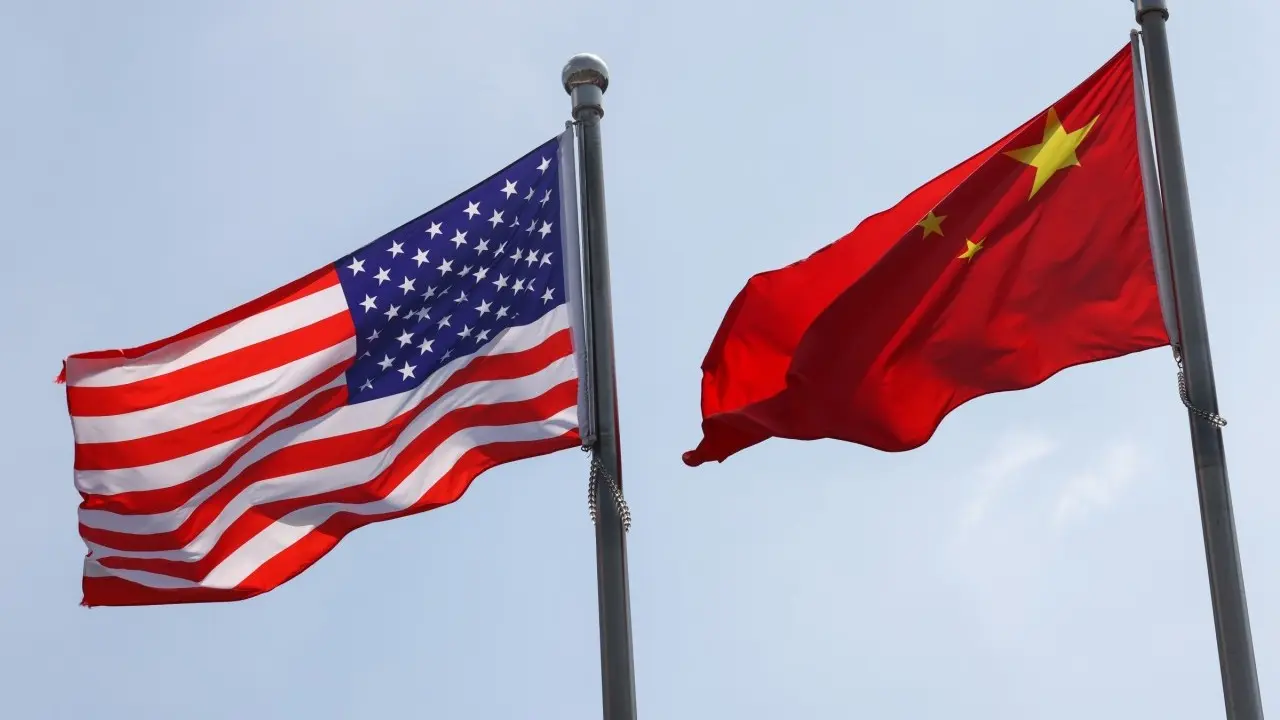
President Xi’s first state visit to the US since 2015 helped reinforce high-level communication and efforts to build a more stable and constructive China-US relationship. As with President Trump’s visit to Beijing, the summit featured positive messaging and symbolic displays of goodwill, but limited progress on tough issues
High profile summit signals stability, not big breakthroughs
The closely watched Xi Jinping-Donald Trump summit in Washington concluded after a high-profile tarmac welcome, a day of closed-door meetings, and a state dinner.
As with Trump’s visit to Beijing, the tone of the summit appeared to be positive and respectful. Trump noted that the two had a “great meeting”, while Xi said the two countries had reached a “common understanding on many issues”. Xi noted that the “Thucydides trap”, or the dangerous dynamic that occurs when a rising power threatens to displace an established ruling power, can be overcome.
China announced it would send two pandas to the Atlanta zoo, traditionally seen as a gesture of friendship and stable ties. The names of the two pandas, Ping Ping and Fu Shuang, loosely translate to peace and double happiness. This further symbolises the hopes for win-win cooperation.
The main takeaway for markets was announced before the summit: a two-month extension of the US-China trade truce, which had been set to expire in November. China’s exports to the US have recovered in 2026, rising 6.1% year-on-year through the first eight months, as the trade truce has held so far despite occasional friction.
On the positive side, this extension removes the threat of a renewed tariff spike before year-end. It allows the deal to remain in place through the sensitive periods of the US midterm elections and the Christmas holiday season.
On the downside, this extension was shorter than many market expectations, and there appeared to be no further progress on lowering trade barriers. The two countries’ trade negotiators will no doubt continue to engage in the months ahead. Hopes are that they can reach another extension in the coming months. If not, we are set for a tense period through 2027.
We also saw steps to improve two-way communication, including considering more direct flights between China and the US and welcoming 100,000 Americans to visit China for exchanges and studies over the next five years.
As markets largely expected, there weren’t many major breakthroughs on other key issues such as AI and geopolitics. Xi noted that China and the US are both major AI powers in competition, but there is room for cooperation, such as exchanging views on risks and benefits to jointly prevent AI misuse and maintain human control over AI.
On Taiwan, China reiterated calls for the US to formally “oppose Taiwan independence.” This marked a departure from the current “does not support Taiwan independence” stance, but we have not seen this formal shift agreed upon. Taiwan remains China’s most important red-line issue.
On the Middle East, views were exchanged, but as expected, there appeared to be no public breakthroughs on this front. Some have speculated that China could play a larger role in mediating peace in the conflict moving forward.
Progress on tech competition and geopolitical developments is hard to come by. That certainly doesn’t mean that the summit was for nought.
After agreeing upon a framework of “constructive strategic stability” in May to help steer bilateral relations, this summit reflects a broader effort to sustain regular dialogue, reduce the risk of misunderstandings, and avoid costly missteps at a time when economic growth across many countries is becoming increasingly uneven and fragile.
As Xi pointed out, the heads of states' mutual visits within half a year were unprecedented. We could potentially see further meetings soon as well, with the APEC summit in Shenzhen set for 18-19 November, and the G20 meetings in Florida on 14-15 December.
Maintaining frequent communication and candid engagement will be key to ensuring stability in the world’s most important bilateral relationship. It will give companies and market participants a more favourable environment in which to operate. In that sense, a summit with limited surprises is good news.


Comments
Log in or sign up to join the conversation.