

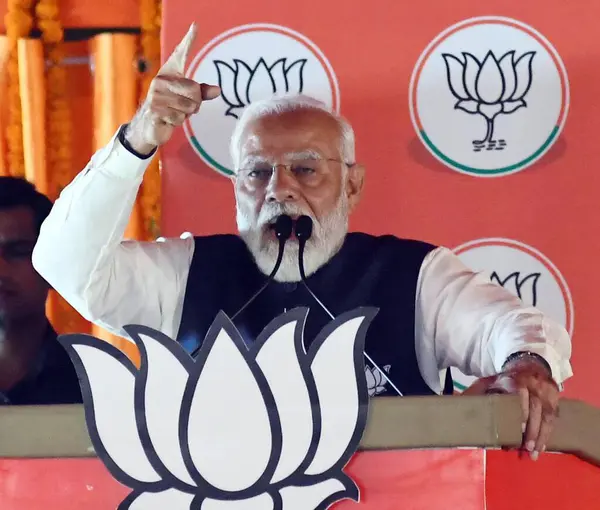
When Prime Minister Narendra Modi publicly urged Indians to reduce fuel consumption, postpone unnecessary foreign travel, avoid non-essential gold purchases, and even consider work-from-home practices during his recent Hyderabad speech, the comments immediately sparked debate across business and financial circles. For many people, the remarks sounded unusual. For markets, they sounded important. The speech came at a time when geopolitical tensions involving the United States, Israel, and Iran are once again creating uncertainty across global energy markets. Investors around the world are closely watching the Strait of Hormuz, one of the most strategically important oil shipping routes globally, amid fears that any prolonged disruption could sharply impact crude oil prices and global trade flows. And for an energy-import dependent economy like India, that matters normously.
Why Oil Prices Matter So Much To India
India imports more than 85% of its crude oil requirements, making the economy highly sensitive to any sustained rise in energy prices. That means spikes in crude oil prices can quickly affect:
• petrol and diesel prices
• transportation costs
• inflation
• airline operations
• logistics
• manufacturing
• and household spending
Higher crude prices also increase pressure on:
• India’s import bill
• the rupee
• and foreign exchange reserves
This is one of the reasons why governments often encourage economic restraint during periods of geopolitical stress. Modi’s speech was likely less about creating panic and more about encouraging preparedness and economic discipline before risks escalate further. But markets rarely wait for problems to fully appear in earnings reports. They react to expectations first.
How Did Indian Markets React?
Dalal Street appeared to take the developments seriously. Indian benchmark indices witnessed sharp volatility over the last three trading sessions as investors reacted to:
• rising crude oil prices
• fears surrounding the US-Iran-Israel conflict
• record weakness in the rupee
• continued foreign investor outflows
• and concerns around inflationary pressure Market Performance Snapshot
May 11, 2026
• Sensex closed at 76,015.28, down 1,312.91 points (-1.70%)
• Nifty 50 closed at 23,815.85, down 360.30 points (-1.49%)
Markets reacted sharply after crude prices surged and Modi’s austerity-style comments added to broader caution across investors.
May 12, 2026
Selling pressure intensified further:
• Sensex dropped to around 74,559
• Nifty slipped below 23,400
The decline wiped out nearly n10 lakh crore in investor wealth in a single session as fears around oil, Inflation, and the rupee escalated.
May 13, 2026
Markets finally stabilised after four consecutive sessions of losses:
• Sensex closed at 74,608.98, up marginally by around 50 points
• Nifty 50 closed at 23,412.60, gaining roughly 33 points
However, the recovery remained fragile. Analysts noted that despite the technical bounce, sentiment continued to remain cautious because:
• Brent crude stayed near $107 per barrel
• the rupee remained near record lows
• and foreign institutional investors continued selling Indian equities aggressively
India VIX Signals Rising Fear
Another important indicator was the rise in India VIX, often referred to as the market’s “fear gauge.” India VIX measures expected market volatility over the next 30 days based on Nifty options pricing. Rising VIX levels generally indicate increasing uncertainty and investor nervousness. During the recent
selloff, India VIX climbed toward the 18 zone, reflecting rising market anxiety around:
• elevated crude oil prices
• geopolitical instability
• rupee weakness
• and foreign outflows
In simple terms, markets appeared increasingly uncomfortable with the possibility that the West Asia tensions may not fade quickly.
Why Markets Remain Under Pressure
The recent weakness in Indian markets is not being driven by a single factor. Instead, investors are currently dealing with what analysts increasingly describe as a macro “triple hit”:
1. rising crude oil prices
2. rupee depreciation
3. and continued foreign investor selling
Rising Crude Oil Prices
India is one of the world’s largest oil importers. Brent crude remaining above $105-$107 per barrel creates concerns around:
• inflation
• fiscal pressure
• higher transportation costs
• and weaker corporate margins
Sectors heavily dependent on fuel naturally come under pressure first.
Weakening Rupee
The Indian rupee recently touched record lows near 95.7 against the US dollar, making imports even more expensive.
A weak currency increases pressure on:
• import-heavy sectors
• companies with overseas debt
• and overall inflation expectations
Aggressive FII Selling
Foreign institutional investors have pulled billions of dollars out of Indian equities in recent weeks amid global uncertainty and rising oil prices. That selling pressure has weighed heavily on large-cap stocks and overall market sentiment.
Technical Weakness
Nifty has also slipped below several important technical support zones in recent sessions, making traders more cautious about near-term momentum. Even Wednesday’s recovery looked more like a temporary stabilisation rather than a decisive return of confidence.
Did Modi’s Speech Influence Sentiment?
It would be inaccurate to suggest that markets fell solely because of Modi’s speech. The primary driver behind the volatility remains the geopolitical uncertainty involving the US, Israel, and Iran, along with fears of higher oil prices. However, the Prime Minister’s remarks likely added an important psychological layer to investor sentiment. When a sitting Prime Minister publicly discusses:
• fuel conservation
• reduced imports
• restrained spending
• and postponing discretionary consumption
markets often interpret such messaging as a sign that policymakers are preparing for the possibility of prolonged economic pressure. That matters because financial markets are driven not only by current numbers, but also by expectations and confidence. Sometimes, psychology changes before economic data does.
What Happened To Gold Prices After Modi’s Speech?
One of the most direct parts of Modi’s message involved reducing non-essential gold purchases, a significant statement in a country where gold buying is deeply tied to culture, weddings, and savings behaviour. However, the market reaction to gold became more complicated. Instead of cooling immediately, gold prices actually surged further after:
• geopolitical tensions intensified
• investors rushed toward safe-haven assets
• and the government increased import tariffs on gold and silver from 6% to 15% in an attempt to reduce forex pressure
Gold Policy Shift Added To Market Attention
Interestingly, the discussion around gold intensified further after the government unexpectedly raised import duties on gold and silver from 6% to 15%, just days after Modi’s public appeal to avoid non-essential gold purchases. The move was aimed at:
• reducing precious metal imports
• easing pressure on India’s foreign exchange reserves
• supporting the rupee
• and controlling the widening trade deficit during a period of elevated oil prices
That policy shift gave investors another signal that authorities are taking the external economic risks seriously. Ironically, however, gold prices surged further after the tariff hike as investors rushed toward safe-haven assets amid geopolitical uncertainty. For jewellery-related businesses such as:
• Titan Company (TITAN)
• Kalyan Jewellers (KALYANKJIL)
• Senco Gold (SENCO)
markets are now trying to assess whether:
• higher gold prices
• weaker consumer sentiment
• and Modi’s public appeal
could temporarily impact discretionary demand.
Which Indian Sectors Could Feel The Pressure?
The market impact of rising geopolitical tensions is unlikely to be uniform.
Aviation Stocks Remain Sensitive
Airlines are among the most fuel-sensitive businesses in the market.
Companies such as:
• InterGlobe Aviation (INDIGO)
• SpiceJet (SPICEJET)
could face pressure if aviation turbine fuel costs continue rising alongside crude oil prices. At the same time, Modi’s remarks regarding unnecessary foreign travel may also increase concerns around discretionary travel demand if consumer caution rises.
Oil Marketing Companies Could Face Margin Concerns
State-run oil companies, including:
• Indian Oil Corporation (IOC)
• Bharat Petroleum (BPCL)
• Hindustan Petroleum (HPCL)
could remain under investor focus if crude prices stay elevated.
Auto Companies Could See Changing Consumer Behaviour
Companies such as:
• Maruti Suzuki (MARUTI)
• Mahindra & Mahindra (M&M;)
• Tata Motors (TATAMOTORS)
may see investors reassess demand expectations in a high-fuel-cost environment.
Not Every Sector Is Losing
Interestingly, upstream oil producers such as:
• Oil and Natural Gas Corporation (ONGC)
• Oil India (OIL)
actually benefited from rising crude prices, as higher oil prices can improve earnings visibility for producers. Gold and silver ETFs also saw strong gains after tariff changes and safe-haven buying intensified. This is an important reminder that during periods of geopolitical stress, markets usually rotate rather than move uniformly lower.
Final Thoughts
Perhaps the most important takeaway from the past three trading sessions is not panic, but caution. Markets appear to be recognising that geopolitical tensions are no longer distant headlines with limited local impact. Rising oil prices, inflation concerns, rupee weakness, and changing consumer sentiment can gradually influence businesses, sectors, and household spending patterns across India. Modi’s speech may not have caused the market decline directly. But it likely reinforced the seriousness of the risks that investors were already beginning to watch closely. And that psychological shift may explain why markets remained volatile even after Wednesday’s temporary recovery.

Comments
Log in or sign up to join the conversation.