

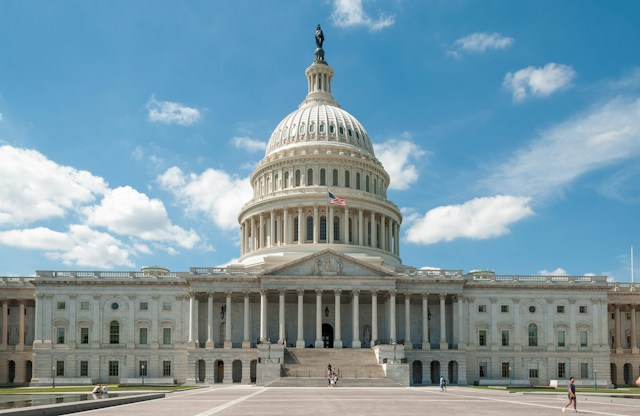
Treasury Secretary Bessent made the bold prediction that the second Trump administration would result in his famous call for 3-3-3. The formula calls for cutting the deficit to 3% of GDP; lifting real growth to 3%, and increasing domestic energy production by an additional 3 million barrels a day. He had it all figured out in his mind how economic growth would reduce deficits and falling oil prices would reduce inflation to the 2% target.
Take the easy target first. In 2024, the US produced 13.2 million bpd; today production is just under 14 million bpd, well below the target of 16 million bpd. Industry specialists do not see reaching that additional 3 million bpd target in the remaining years of the Trump term.
GDP growth for 2024 was 2.8%, close enough to say that goal was reached then. However, for the full year 2025 GDP growth slowed to 2.1%. The consensus for 2026 is that GDP will continue to be in the low 2% range.
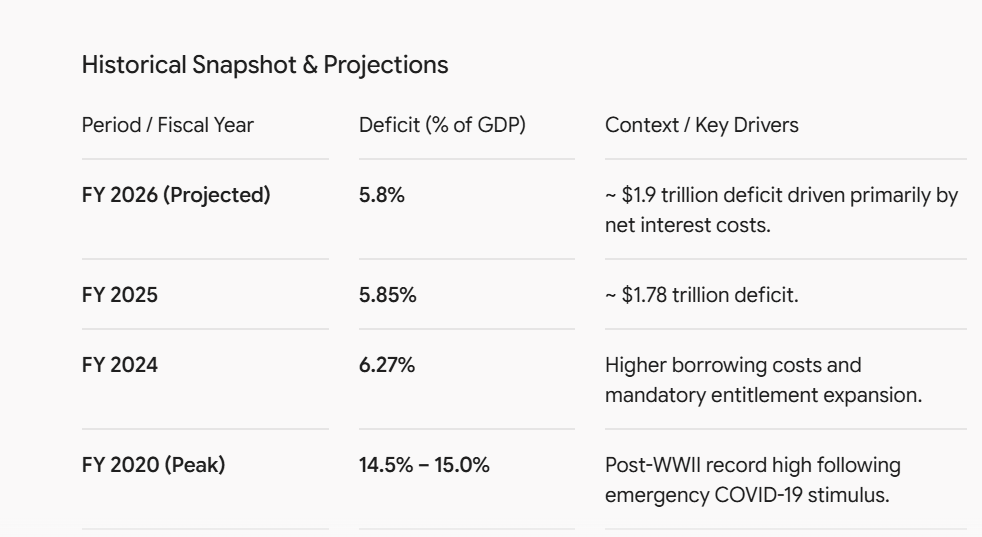
The Administration had no plan for deficit reduction, just some pie in the sky target. Setting aside the extraordinary period when COVID-related spending was necessary, the US has had one of the highest ratios of government debt-to-GDP in the industrialized world, at 6%. Congress has given up the ghost of reining in expenditures; despite a reasonable GDP performance, that ratio remains unchallenged in 2026.
Much of the administration’s failures can be traced to the nexus between inflation and the bond market. Well-documented is the surge in the cost of living, from higher mortgage costs —-7.5% on conventional financing— to diesel fuel bumping up to $7 a gallon. The whole issue of affordability is front and centre in the upcoming Congressional mid-terms. Consumer prices were up yearly since last August by 3.4%, making it impossible for the Fed to sit by idly, let alone cut rates. Ironically, the Fed’s decision to raise its lending rate by a ¼ point met with no criticism from senior economic advisors to the President, knowing full well that the Fed had to act or lose any credibility within financial markets. The administration gave up on its plea for lower interest rates for the most obviously compelling reasons.
Enter the bond vigilantes who serve as a check on inflation and government borrowing activities by demanding higher yields to compensate for inflationary expectations. Secretary Bessent recently boasted that he was “ the house” and warned that no one should bet against him in the interest rate markets. Yet the “ house” continued to lose in the bond market. Feeble efforts to buy long-date bonds to bring down interest rates has not had any impact on the recent selling pressure in US Treasuries. Today's yields on 10-year bonds shot up 0.09 percentage points to 5.27 %, the highest in nearly two decades. The interest rate-sensitive US two-year yield rose by a similar amount to 4.96 per cent. The futures markets indicate there is about a 50% chance the Fed will be raising rates again at its October meeting.
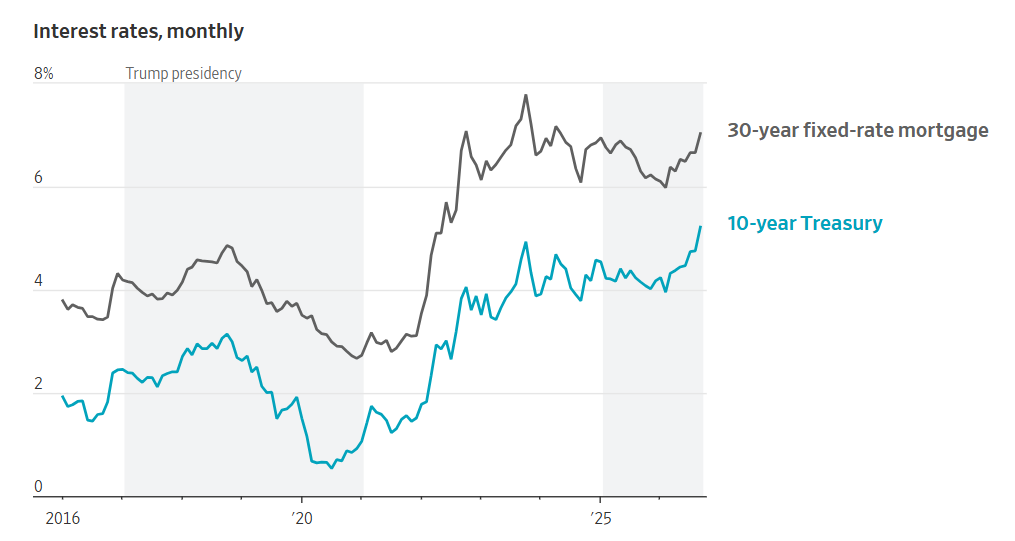
Summing up, the Iranian standoff just prolongs energy disruptions that threatens to keep oil prices elevated. Oil prices have yet to work themselves throughout the full economy, suggesting that, at best, the inflation rates will remain well above target. The Fed will likely raise rates before year end, and borrowing costs will remain at current levels, or slightly higher. The administration has nothing it can do in the short-run, other than to standby, helplessly, and watch rates go up.

Comments
Log in or sign up to join the conversation.