

“It's tough to make predictions, especially about the future.” .... Yogi Berra
No truer words were said when it comes to predicting inflation over, say, the next 6 months. Monetary policymakers are obsessed with measuring the changes in inflation expectations as the world grapples with supply shortages driving up producer and consumer prices. The bump in long term bond yields is often cited as an example of how investors now anticipate continued upward pressures on prices. The change in expectations is an example of ‘recency bias ‘, best defined as placing greater emphasis on the most recent event. Recent price upsurges means that prices will continue to surge, or as so many believe. Today, analysts are looking at the supply restrictions in commodities production and their impact on manufacturing and proclaim that we can expect a continuation of inflationary pressures.
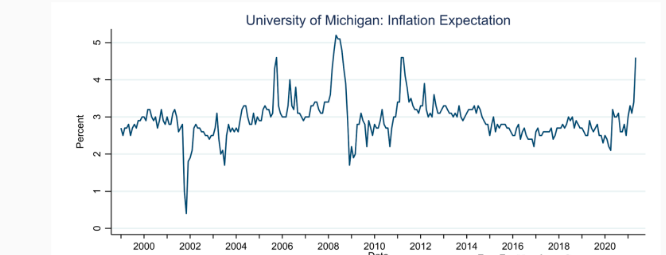
Let’s just put aside recency bias and try to be more objective when it comes to dissecting what goes into affecting inflation. So, what do we know about the current forces affecting price changes?
To begin with, COVID-19 has introduced a one-time shift in the cost of production. The introduction of mandatory vaccinations means activities, such as air travel, will have an additional layer of costs to incorporate. But this is not inflation, just a one -time shift in the general price level, thereafter there is no more price increases related to COVID restrictions since they will have integrated fully in the production function.
The growth in aggregate demand has definitely slowed. Incoming data indicates that consumption is slowing and growth is assuming a pattern similar to the years preceding the pandemic. More significantly, savings rates remain quite elevated and consumers are not about to go on any buying binge ( myth of pent up demand). Banks are sitting on excess supply of deposits as consumers exercise considerable caution, given a very uncertain outlook.
The business sector has been far more restrained regarding capital expenditures than many expected, especially in a world of supply shortages. Here again, uncertainty continues to plague the economy in one of its most important sectors. Finally, the only component of aggregate demand that has any impact on the economy is government expenditures in the form of an unparalleled degree of transfer payments to prevent a total collapse. However, governments have already started to pull back on support payments and this will contribute to a slow down in economic activity. Government subsidies managed to fill a hole, but has yet to provide stimulus for future growth.
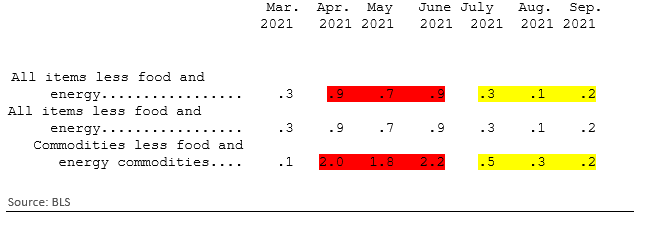
Much of the anxiety over inflation relates to the run up in energy prices. But this is just short run problem as production and distribution recovery from shutdowns during the depth of the pandemic in 2020. We have seen this movie before (e.g., in 2007 when oil hit $140 and then collapsed to $40 by 2008). Moreover, energy plays a smaller role in the economy than it did in the '70s and so that invalidates any comparison to the stagflation experienced in that decade. A more relevant measure of inflation is the increase experienced month-over-month. Excluding food and energy---the most volatile components—have been declining over the past quarter. Recency bias now suggests that price increases are moderating and in many areas are declining.


Comments
Log in or sign up to join the conversation.