

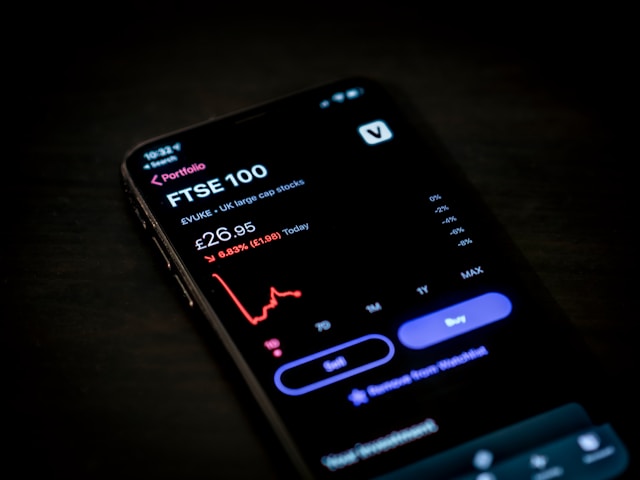
On Tuesday, British stocks experienced an upswing following a report suggesting that the U.S. was seeking to resolve the ongoing Middle East conflict. Despite this positive movement, the main indices were on track for their most significant monthly decline since 2020, as investor anxiety over the war's repercussions lingered. Global markets saw a rebound when the Wall Street Journal revealed that U.S. President Donald Trump had indicated to his aides a willingness to cease military operations against Iran, even if the strategic Strait of Hormuz remained largely inaccessible. The FTSE 100, a blue-chip index, gained over 1%, despite being on the verge of breaking an eight-month winning streak. Meanwhile, the mid-cap FTSE 250 rose by 1.4%, aiming to conclude a three-month series of gains. Most sub-indexes displayed positive performance, with the exception of the energy sector, which dipped by 0.3% as oil prices fluctuated. Investors weighed the possibility of a resolution to the five-week-long conflict. On the other hand, precious metals miners surged by 2.2%, providing substantial support to the index as gold prices climbed. Investors seeking refuge in safe-haven assets amid inflation concerns and expectations of a hawkish monetary policy drove this movement.
In March, British shop price inflation edged up to 1.2%, with the British Retail Consortium warning that cost pressures linked to the Middle East conflict were beginning to impact supply chains, potentially driving prices higher. The Bank of England is keeping a close watch on food prices, as public inflation expectations reached their highest point since March 2023, adding caution to the policy outlook. Data from mortgage lender Nationwide revealed that British house prices exceeded expectations in March. However, the housing market is anticipated to slow down due to increased borrowing costs stemming from the Iran conflict, which will affect affordability.
Raspberry Pi saw a remarkable surge of 26.8% after reporting better-than-expected growth in annual adjusted core earnings for its single-board computer business. Unilever experienced a modest rise of 0.2% after announcing advanced negotiations to merge its food division with spice maker McCormick. This potential deal could deliver $15.7 billion in cash and grant shareholders majority control of the newly formed entity.
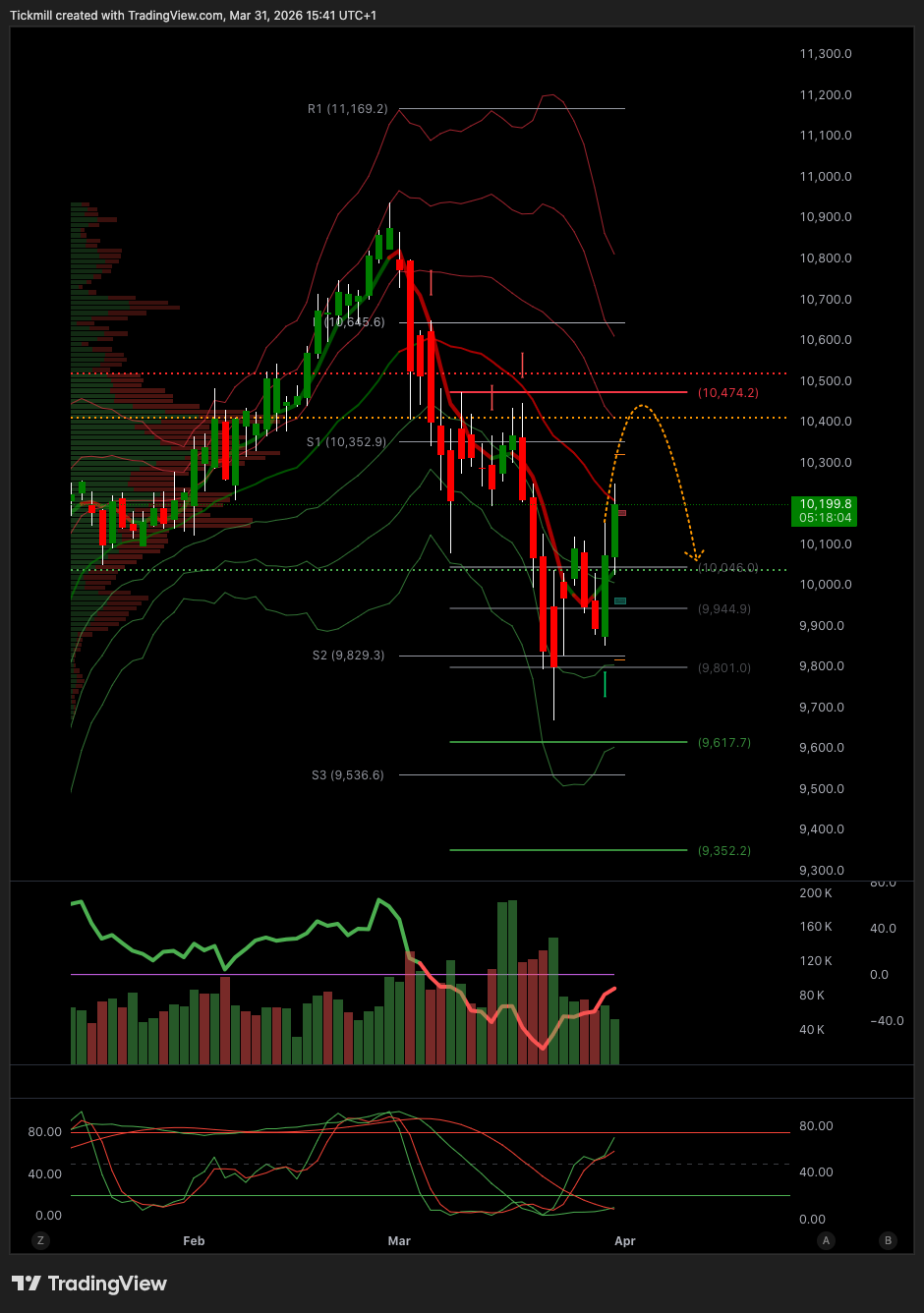
TECHNICAL & TRADE VIEW - FTSE100
Daily VWAP Bullish
Weekly VWAP Bearish
Below 10500 Target 9700

Comments
Log in or sign up to join the conversation.