

As much as I hate to say, bitcoin and the other cryptoassets might still be overvalued at these levels. They also might be extremely undervalued though. We have no real way to know for sure.
In traditional markets, there are developed methods for understanding what an asset should be worth. As with many things in the crypto space, this is still under construction. This article from ZeroHedge does a pretty good job explaining this.
Hopefully, within the next few years, we'll have developed a much more methodic way to understand crypto pricing. I've recently posted a video which introduces some of the concepts that can be used to begin. In my view, tools like the new CoinDesk Crypto Economics Explorer go a long way in helping us visualize the various factors which influence cryptoasset prices. But we still have a long way to go.
In the meantime, the only solid indicator that we have is price history, which is why technical analysis is so popular among crypto-analysts. By looking at the crypto charts right now, in contrast to what's been said about the stocks, we can empirically notice that the crypto markets are considerably closer to the bottom at the moment than they are to the top.
Today's Highlights
- We've got a Bounce
- Hash War Continues
- New Swiss Crypto Asset
Bouncy Bounce
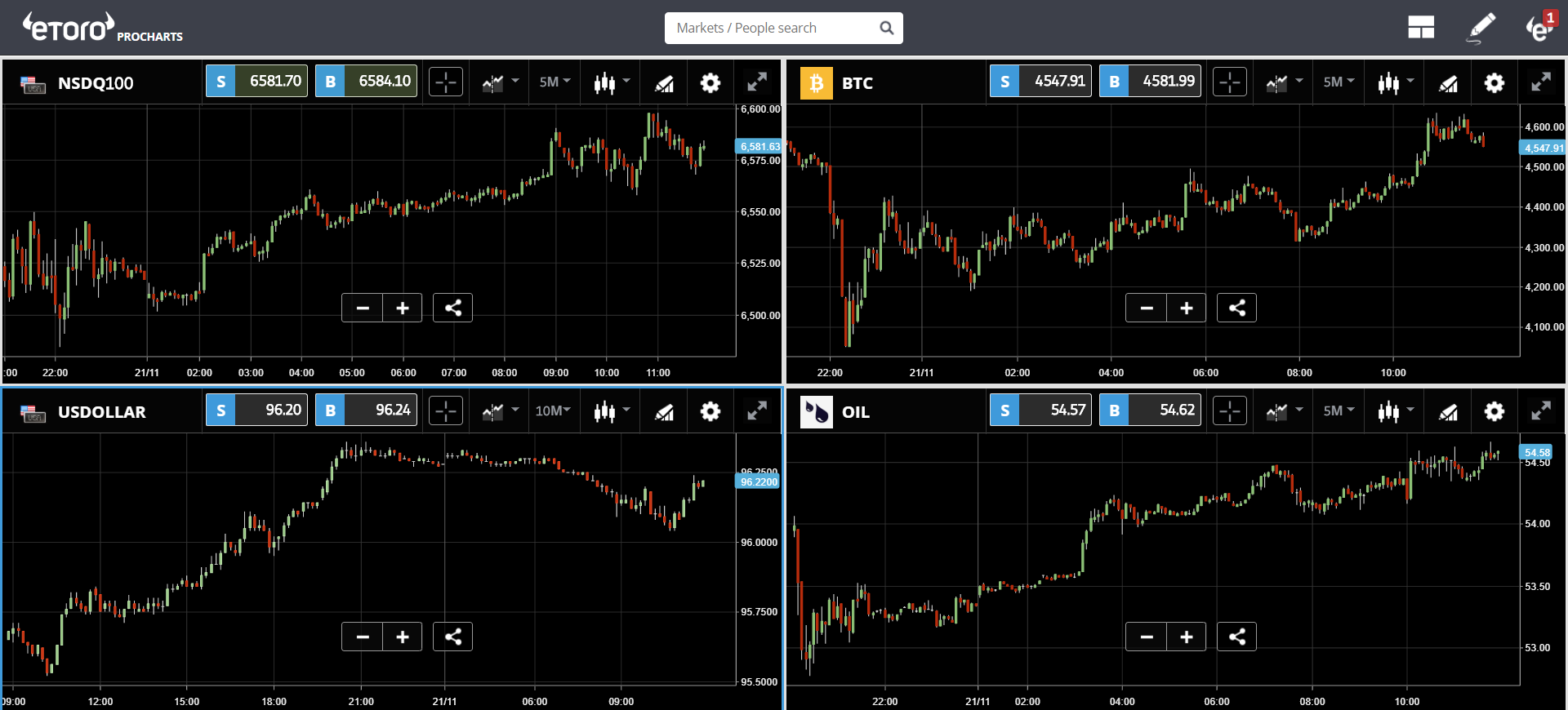
A nice bounce was affected this morning during the Asia session. Both stock markets and cryptos have come off their lows. This certainly looks like a much-needed relief rally at this point but could also turn out to be a dead cat bounce.
These four graphs serve to demonstrate that on a short enough time frame, everything is rising.
(Click on image to enlarge)
Hash War Continues
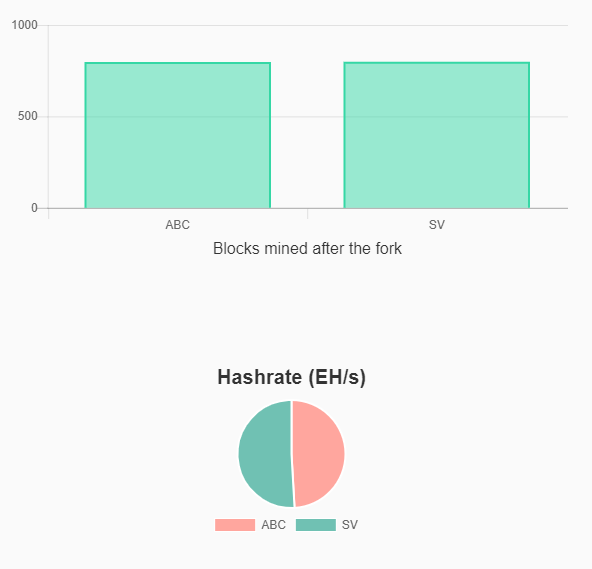
The battle for Bitcoin Cash continues and as of this writing, there is still no clear winner. As we know, this is more of a sideshow but since several analysts have pointed to this as a contributing factor to the recent volatility, we might as well explore it further.
This image from hashwar.live gives us a pretty simple visual of the neck and neck battle. On the top, we can see the number of blocks that have been mined by each camp and on the bottom, we can see the percentage of hashpower that each one is currently utilizing.
For a more in-depth view, we can check Coin Dance, which is showing a slew of data that most of us may find it difficult to understand. One thing that stands out is this...

The only real concern to the broader crypto market would be if one of the above forks started siphoning off some of the hashpower from the original Bitcoin (BTC).
As we can see from the data, it would be very costly for any miner to switch over but that doesn't mean that some won't try.To monitor that, we can simply check the bitcoin Hashrate, which has declined only slightly since the fork red circle.
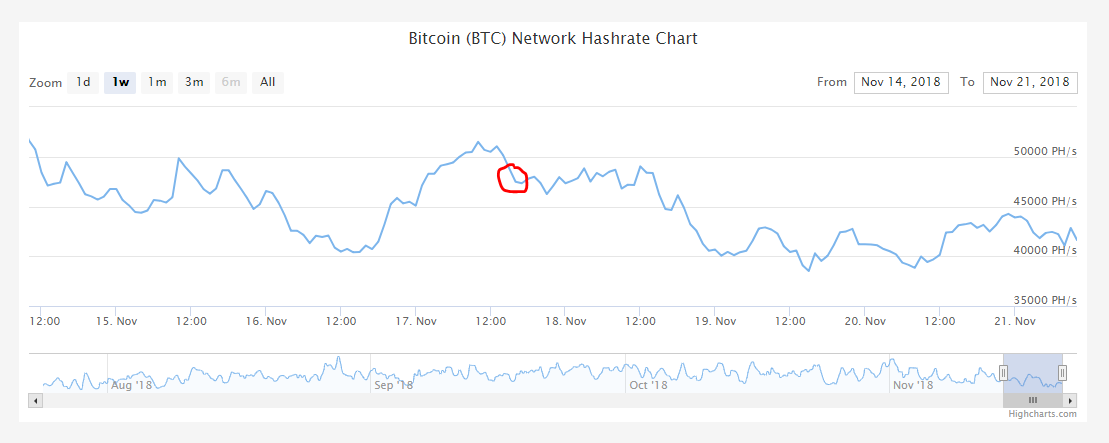
In any case, the rising hashrate so far in 2018 was presenting some concerns before this entire thing started anyway, so even if it were to drop an addtional 50% probably wouldn't hurt bitcoin transaction times all that much and certainly wouldn't affect the stability of the network.
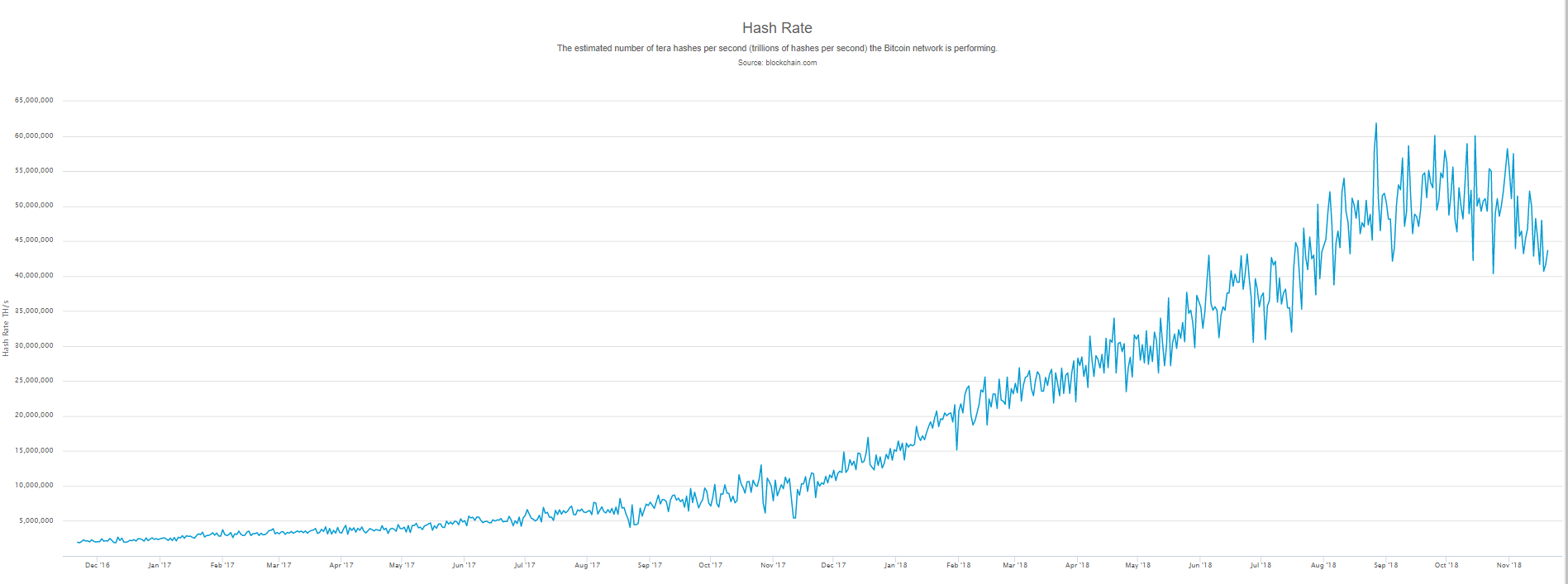
In any case, if we really want to see if there's any congestion in the Bitcoin network, we can always check the mempool, which seems pretty clear at the moment.
It's a New Day
Putting aside the FUD of the day, the probe into tether and the slight delay in the launch of the Bakkt service, I'd rather focus on some really good news.

The new product is set to be traded on the SIX exchange, which is Switzerland's leading stock exchange.
In this interview on Bloxlive.tv yesterday, I discussed the potential ramifications of this new financial asset, what it could mean for the industry, and the broader market conditions at the moment.



Comments
Log in or sign up to join the conversation.