


The old adage that, “ when in doubt do nothing” is most applicable to the stance the Bank of Canada is taking. The Bank, today, held its target for the overnight rate at 2.25%. This comes as no surprise, but the statement supporting this stance reveals how trapped the Bank appears regarding when and how to move next .
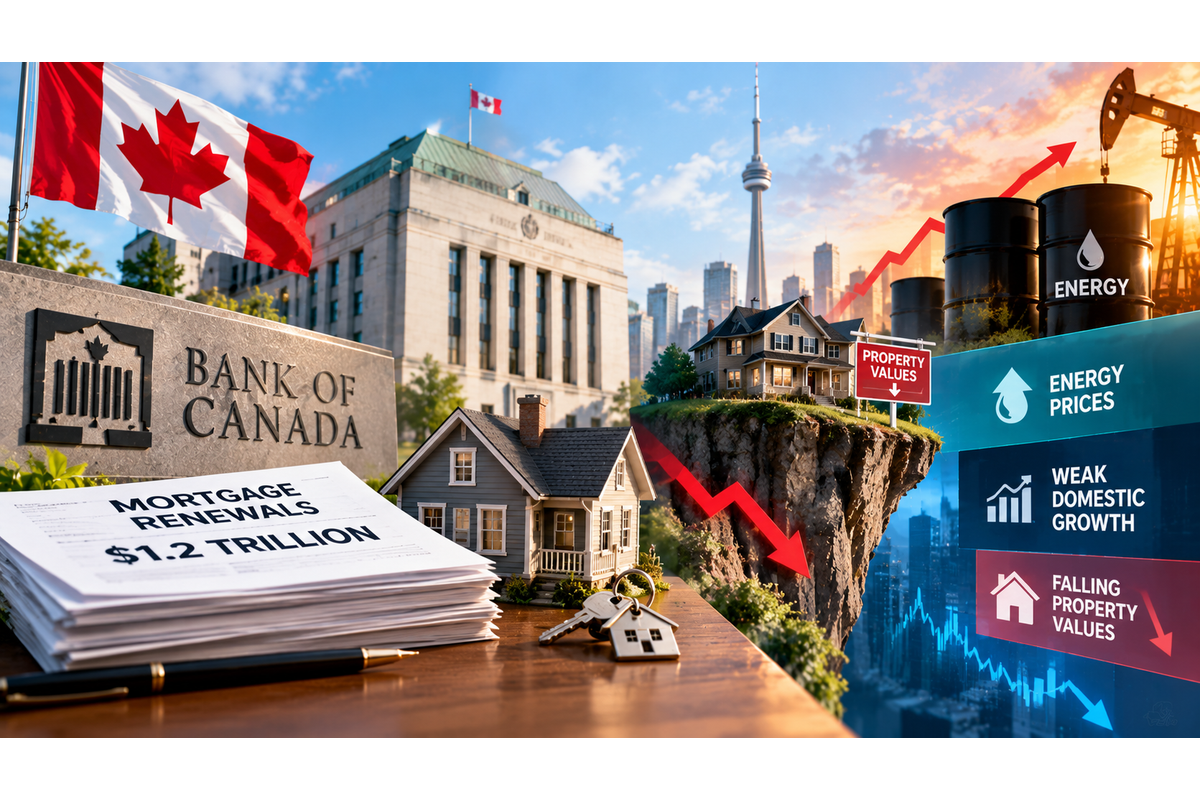
Supply-side driven inflation. Above all else, the Bank acknowledges it must deal with the consequences of an indeterminate conflict with Iran that is playing havoc with the world’s oil flow. The higher energy prices and disruptions to the flow of supplies are dampening growth prospects in the oil-importing countries and boosting inflation worldwide. In the near term, the demand inelasticity for fossil fuels forces up gasoline and food costs throughout the economy . Raising interest rates cannot quell that inflationary impact. So, the Bank expects that inflation will rise in April above 3%. All the Bank can do is to pin its hopes that inflation will come to the 2% target in 2027. Not encouraging from today’s vantage point.
US trade policy continues to create uncertainty in Canada. Canada is about to enter trade negotiations and so far, neither side has shown any urgency to resolve their differences. The longer this uncertainty prevails, the more difficult for the Bank to provide forward rate guidance. Making matters worse is the degree of animosity exhibited by the US trade authorities towards Canada and the less likely that negotiations will be successfully concluded by years’ end.
The Canadian economy is weighed down. A combination of factors, including slow population growth, weak business investment, and a fall in major exports have reduced economic activity and kept the unemployment rate in the 6.5%-7% range. Growth is expected to be positive, but tepid. It projects GDP growth of 1.2% in 2026, rising to 1.6% in 2027 and 1.7% in 2028. A saving grace is that, since Canada is a net exporter of oil, the higher oil prices will support GDP growth, even though consumers will be hurt by higher energy costs.
In a rather ambiguous conclusion to its official statement, the Bank“ Governing Council is looking through the war’s immediate impact on inflation but will not let higher energy prices become persistent inflation”. Granted, the Bank has just one obligation, namely to maintain Canadians’ confidence in price stability. This is well and good , if inflation were the only an issue. But there are ‘deflationary’ concerns should GDP growth falter from the loss of export markets and the continued weakness in business growth. Which will lead to a change in interest rate policy, inflation or slower growth?


Comments
Log in or sign up to join the conversation.