

The first estimate of GDP in the first quarter showed that growth contracted by -5.2%, but the second quarter is likely to be worse. On top of that, there's political stress.
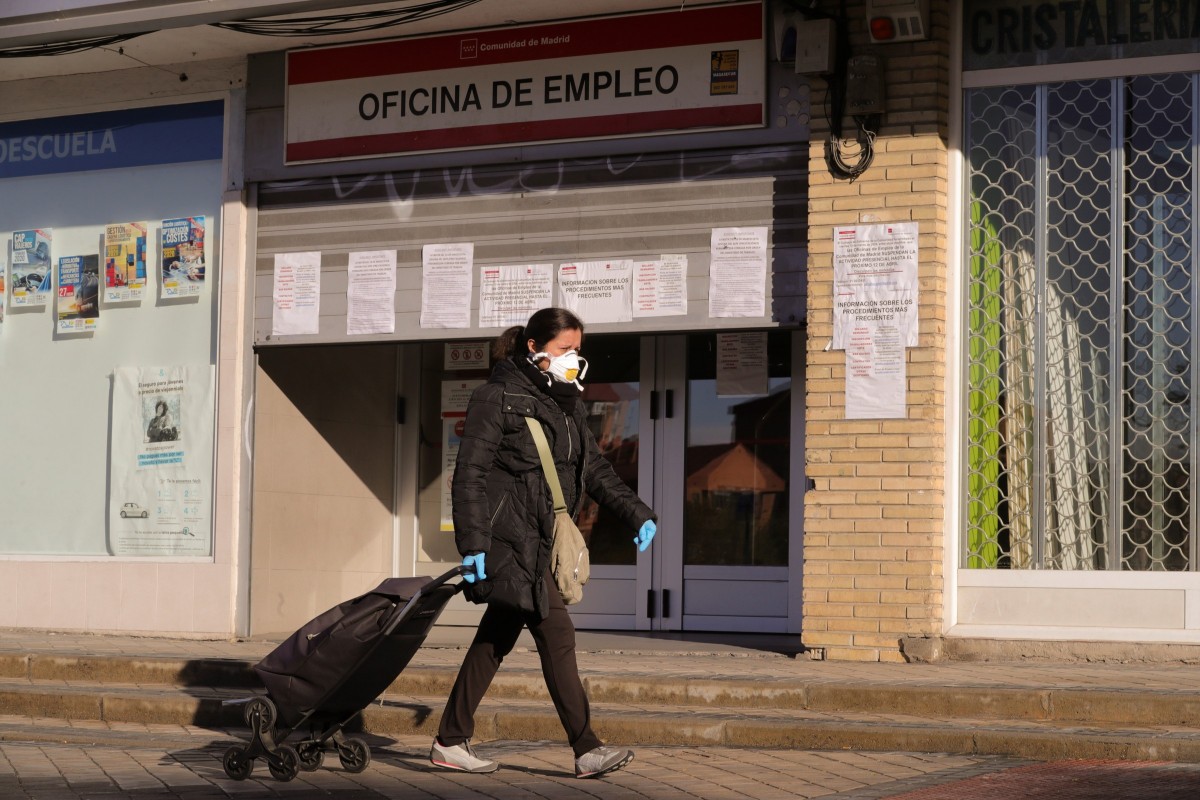
The economic growth figure in the first quarter was the worst since the series began in 1970. Consumption and investment contracted by 7.5% and 5.8%, respectively. Both export and import growth contracted by 8.4%.
The lockdown measures enacted on 14 March unsurprisingly had the largest impact on the Arts, entertainment, and other services sector (-11.2%), the Trade, transport and accommodation, and restaurants sector (-10.9%) and the Construction sector (-8.1%).
These figures, however, are a first estimate of what happened in the first quarter of 2020 and based on partial information. In normal times, assumptions to produce a first estimate are quite accurate, but in these unprecedented times, they are probably not. It is possible and in fact likely, that the growth figure will be revised.
Political tensions
As the spread of Covid-19 is coming under control, the lockdown is slowly being phased out. Since Monday 4 April, for example, non-essential shops have been allowed to open by appointment and restaurants can offer takeaway food. Pedro Sánchez, Spain’s prime minister, announced that shifting to a more normal situation would have four stages and in the best case would be completed by the end of June. It would, however, vary province by province. Schools, in contrast, would not reopen until September.
But there might be a problem. The state of alert, the legal regime that makes lockdown measures possible, expires this Sunday, while Pablo Casado, the leader of the center-right People’s Party, said he would not support a two-week extension. Casado argues that the government should use legislation, and the special legal regime of the state of alert, to control the spread and the economic impact. This Wednesday, the parliament will vote on the matter.
Looking ahead
Meanwhile, the first figures for the second quarter are rolling in. And as expected the economic situation has got worse. The PMI for the manufacturing sector for April dropped to 30.8 compared to 45.7 in March. The sub-indices looking at production, new orders and exports registered the sharpest drop ever recorded since data were first collected in February 1998. The survey also points to strong deflationary pressures. Input costs dropped mainly due to lower prices for metals and oil-related products.
Another figure that illustrates the economic impact in April is the number of car registrations. They already fell sharply in March and in April they nearly came to a standstill. There were 96.5% fewer car registrations in April compared to a year ago.
Conclusion
As the second quarter will be much more affected by the lockdown measures compared to the first, we expect that the growth rate will be much more negative in the second quarter. As the lockdown measures will only be gradually phased out, and over a relatively long period, we expect that growth will remain weak. On top of that, Spain’s large tourism sector will not recover quickly. All this implies that the recovery in the second half of the year will be slow. Given this situation, we downgrade our growth forecast for 2020 to -9.5%.


Comments
Log in or sign up to join the conversation.