


A creeping move lower in equities would eventually be ignored by Treasuries. But a large dump in equities would not
The US 10yr yield is now down some 50bp from its recent highs. The drivers have been real money value hunters (mostly domestic, but also including international players), some fast money longs in Treasuries versus payers in SOFR in a short swap spread trade, and finally a risk-off tone in the AI space that's been counteracted by safety flows into Treasuries. The latter has been the dominant driver of the last 10-15bp, which has taken the 10yr yield down to the low 4.80s%. Should the AI rout intensify, it's tough to see long-end yields doing anything other than trekking still lower in sympathy.
To what extent is this a US election-driven outcome? We could paint a narrative in which electorate support for fewer data centres and greater scrutiny of the AI space is a factor. To an extent, it is. But the bigger picture sees AI valuations generally under pressure. How long this persists is tough to call but suffice it to say that the technical picture does not look great for the coming few weeks at least. The 4.65% area for the 10yr yield is where we could settle should the risk-off tone intensify.
That said, the market has conveniently ignored the elevated inflation environment, the largesse in fiscal deficits and the AI growth boost, which remains ongoing. Thursday saw another very low jobless claims outcome, and Friday is liable to see the unemployment rate reconfirmed at 4.2% (very low). At some point, Treasuries will refocus on fundamentals. A creeping move lower in equities would eventually be ignored by Treasuries. But a large dump in equities would not; that's where the fall in yields becomes an even larger lurch lower. We're not calling for it, but we're watching carefully.
AI jitters take over
The bullish momentum in rates continued, but the driving force behind it changed. While Thursday’s early session was still marked by an extension of post-election positive risk sentiment, sentiment later soured on AI jitters. The VIX index – the equity market’s fear gauge – jumped to the highest since March as tech stocks came under increasing pressure.
In bond markets, souring sentiment made itself felt in rewidening spreads. The 10y OAT/Bund spread ended its brief recovery below 150bp. To be fair, the market also found itself confronted with more headlines around protests in France, highlighting the political challenge the country faces trying to consolidate its finances.
Markets will be looking to the US jobs data to inform their Fed view. However, the data thus so has kept us well within the low-hire / low-fire narrative, so it would probably take a larger surprise to impact the market and take the eyes off the renewed AI concerns.
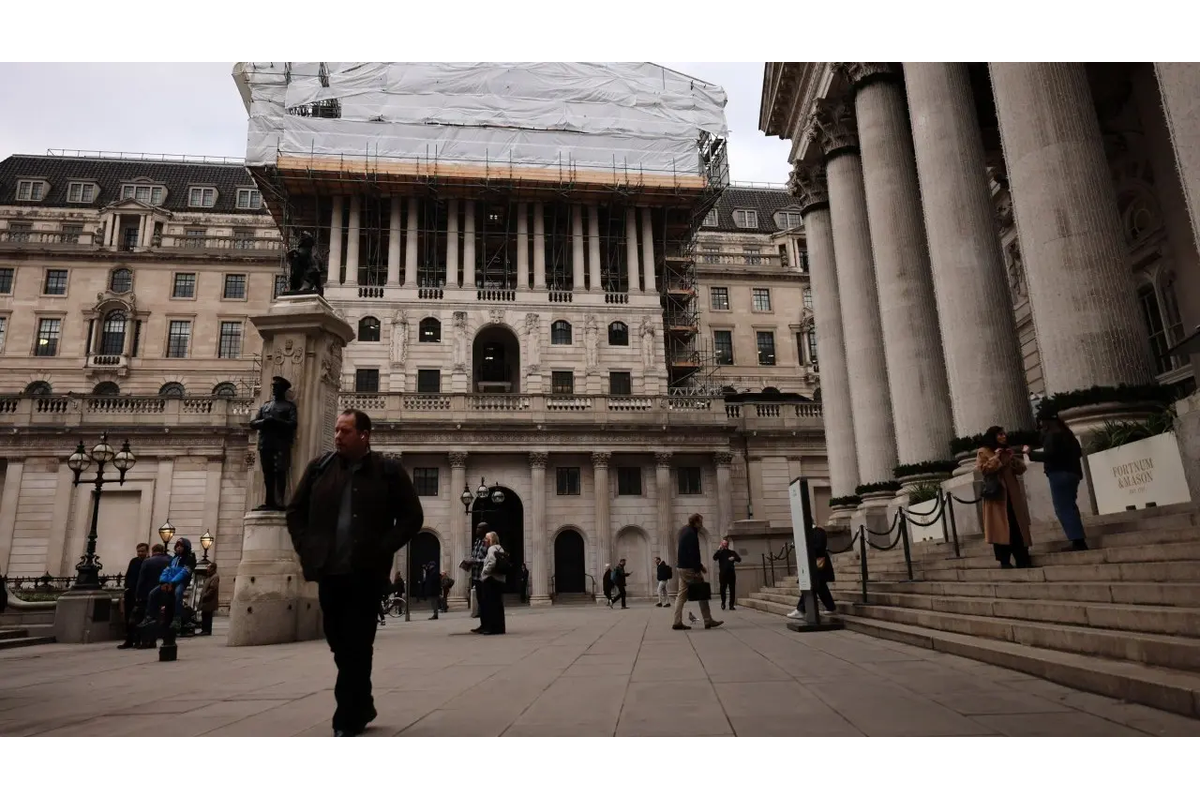
Bank of England opens door to hawkish repricing
The Bank of England hiked as expected, but revised inflation forecasts add additional upside risk to rates. Markets now price in a 50% chance that the next hike will be in December, and then at least one more hike later in 2027. Every committee member agreed to hike rates, which means even the doves are on board. This lowers the bar for future hikes and could add to an already volatile rates environment. Any upside inflation surprises or another surge in oil or gas prices could quickly turn the narrative more hawkish.
Having said that, the sterling curve still seems too steep to us, especially when compared to euro and dollar curves. The price action today also shows that longer-dated rates struggled to move higher – rates up to 2Y rose, but the 10Y swap rate ended lower on the day. Part of this suggests markets are front-loading more hikes, but are turning more sceptical about the BoE's terminal rate. We, too, struggle to see the BoE end the hiking cycle around 4.5%.
Friday’s events and market view
The highlight of the day is the official US jobs report. The consensus is looking for 65k growth in non-farm payrolls for October, up from 29k in September. The unemployment rate is expected to stay at 4.2%. We will also get the preliminary University of Michigan consumer sentiment index, expected to stay at a dismal reading of 48. The Fed’s Williams will speak in a fireside chat alongside ECB chief economist Lane at the ECB’s money markets conference. Separately, the Fed’s Musalem and Bowman are also scheduled to speak.
In primary markets, only Belgium will be active with a smaller-sized optional reverse enquiry auction.


Comments
Log in or sign up to join the conversation.