

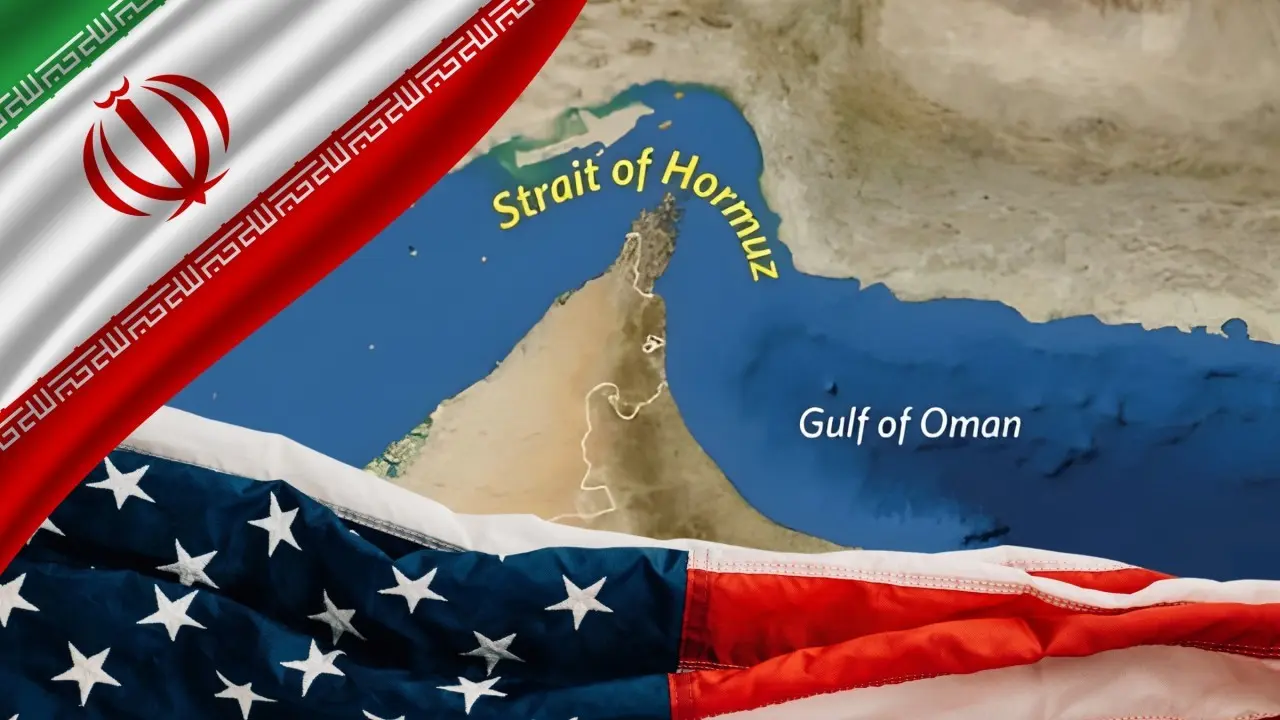
Discomfort from closure of the Strait is slowly amplifying. The US 10yr break-even inflation rate is edging towards 2.5%. Far from catastrophic, but if it were to break above, it would be a growing problem, for both Treasuries and the Federal Reserve. Central banks this week to be laser focussed on this. Every day the “war” continues, it adds to the pressure.
The US 10yr inflation breakeven rate threatens a break above 2.5%
The most significant dynamic for market rates is the edge higher in inflation expectations. The entire inflation curve shifted higher through Monday, in tandem with an edge higher in the price of oil. No huge surprise there, given the ongoing (virtual) closure of the Strait of Hormuz. The 10yr inflation breakeven, in fact, hit its highest level (at 2.45%) since the war broke. It's, in fact, been a tad surprising that longer tenor inflation had not seen a more marked rise so far.
Most of the rise in inflation breakevens has been in shorter tenors, e.g. the 2yr had a tendency to trade at or about 3% a few weeks into the war, and while off highs now, it remains elevated. We can reverse engineer an actual inflation profile here, where it rises to the 4% area, and then backs right back down to sub-2% a year after the peak in inflation is hit. It gets there through the realisation of the future profile for the oil price (ultimately lower), and base effects.
However, before we can latch on to the subsequent fall in inflation, we must first map out an ongoing rise in inflation, and that rise becomes more ingrained the longer the Strait of Hormuz remains closed. A key matrix to watch here is the 10yr inflation breakeven. It remains below 2.5%, so far. But if it were to rise above 2.5%, and keep going, it would be really tough for the Fed to consider rate cuts. It would also be outright negative to 10yr Treasuries.
Our central thesis continues to envisage a settlement of sorts sooner rather than later. The soundings out of the US side continue to echo a preference to find a way to conclude the conflict. From Iran, the messaging remains cryptic, but there are the ingredients of a deal to be done. It seems that the Revolutionary Guard is doing most of the negotiating, and it seems there is a back and forth ongoing, enough to avert a kinetic breakout.
Central bank focus this week
With all this going on, we're not expecting a whole lot from central banks this week (apart from the BoJ, which could hike). No change in official rates is expected from the ECB or Fed at least. Both should sound hawkish, especially the ECB. The BoE also holds pat. Ahead, the ECB hikes once, maybe. Just 25bp, assuming an end-game relatively soon.
The Fed does not hike (the next move is still down). That, against the market discount, implies downside to front-end rates. Back-end rates, though, should remain elevated, with upward pressure coming from a bad for a run for inflation in the months ahead. So short duration, and a steeper curve.


Comments
Log in or sign up to join the conversation.