

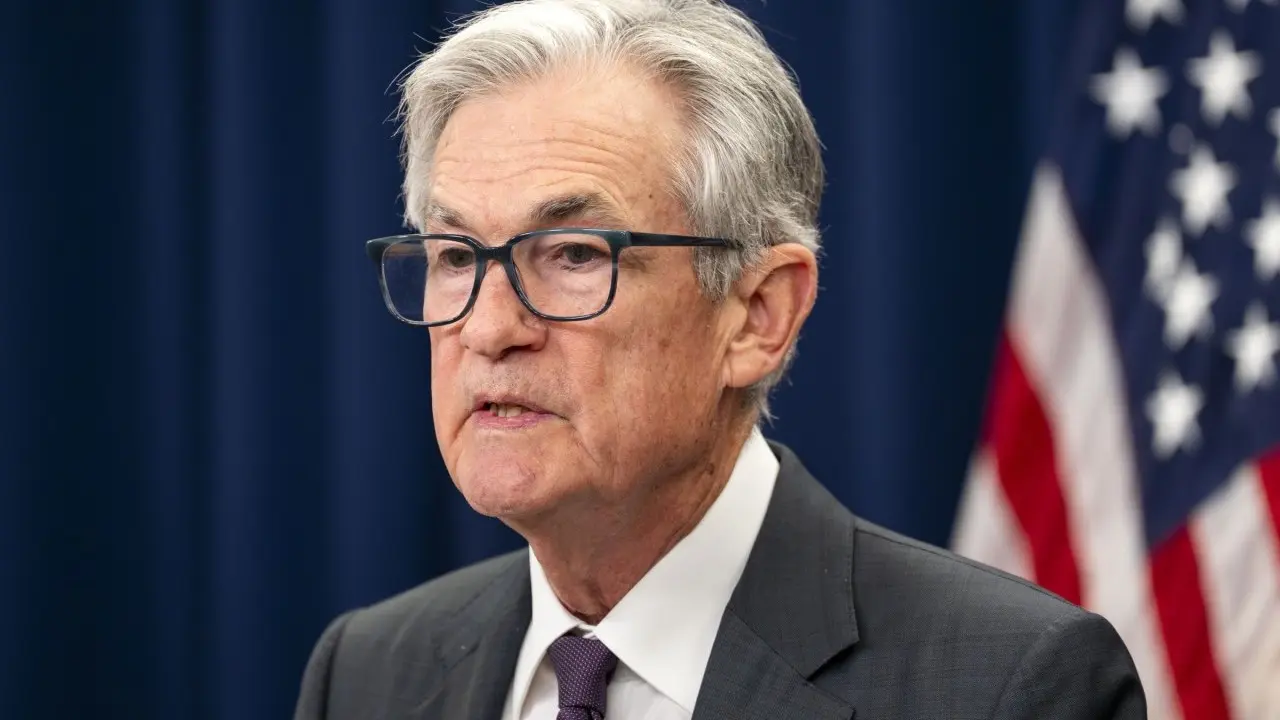
It's Fed day. Given the challenging war-impacted inflation environment, it won't cost much for the Fed to adopt a hawkish tilt; while remaining in a wait-and-see mode. There will also be questions on the incoming Kevin Warsh and Powell's intention to stay-or-go. But likely to be swatted away. As it's really Jay's big day, his last as Chair
The Fed, the balance sheet and prognosis for Treasuries
Since the T-bills buying programme (re)commenced in mid-December, holdings of bills have risen to over US$425bn (from US$195bn). That has expanded the Fed's overall “securities” holdings (including bills) by some US$185bn. The Fed did this to help boost bank reserves, which had fallen to below US$3tn, coinciding with repo tightness, and in consequence saw the effective funds rate rise right up to just 1bp short of the rate paid on reserves. Since then, repo pressure has eased, and this week, the New York Fed announced a reduction in monthly T-bills buying from US$40bn to US$25bn. This is purely an operational move, completely within its authority and as agreed at a prior FOMC meeting. Still, Chair Powell could get some questions on this, or indeed he could comment on it up front. It certainly suggests a degree of comfort on the part of the Fed over liquidity conditions.
There is also a link here with the incoming chair, Kevin Warsh. He has an ambition to reduce the Fed's holdings of bonds, and in particular, Mortgage Backed Securities. Currently, the Fed holds just under US$2tn of these, and continues to roll them off as they mature. It’s a slow process though, running at some US$10-15bn per month. Chair Powell could get quizzed on this, too. Any acceleration in roll-off, e.g. outright selling, would place upward pressure on longer-term Treasury yields, as any selling would likely occur in longer tenors. There is no stated plan here. It’s all supposition at this stage. But it’s very market relevant. The odds are that Chair Powell swats away questions on this, as his FOMC has a steady-as-she goes policy, and he won’t comment on what Kevin Warsh might do. But still, it's worth asking the question(s). Beyond that, the bulk of the Treasury-relevant issues will centre on inflation expectations as seen through the Powell prism.
The ECB is up after the Fed, likely echoing the inflation expectations piece
Central banks’ current challenge is about managing expectations amid a geopolitical situation that remains very uncertain. In EUR markets, this was highlighted by the reaction to the ECB’s consumer inflation survey on Tuesday just ahead of Thursday’s policy-setting meeting. Consumers’ near-term expectations over a one-year horizon jumped to 4%, which was the highest since October 2023. That is still below the peaks just shy of 6% we saw during that inflationary episode. But perhaps more worryingly is that the longer-term expectations over a three-year horizon jumped to 3%, which almost matches the 3.1% peak level of 2022.
Markets' inflation expectations measured by inflation swaps have, of course, tracked oil prices higher as well. 2y inflation swaps have climbed towards 3% again. Longer tenors have climbed alongside but still look tamer. Looking at the forwards market, for instance, the 5y5y at 2.16% is still below peaks seen not only this March, but also March last year.
As the Middle East conflict drags on and oil prices have climbed again over the past week, the ECB faces a communication challenge, even though a policy change this week continues to look remote. The bank must worry about its credibility with the broader public, which seems more sensitive to the immediate energy shock than the broader adverse macro impact. As for the latter, the bank lending survey, also released alongside the inflation survey, pointed to mounting headwinds.
The market also still leans to inflation (expectations) being the ECB’s greater concern for now and has added back in a third hike for this year over the past week – and around 8bp to the year-end forward just in the wake of Tuesday’s release, putting it 70bp above current interest rates. Longer rates also feel the pressure, but their rise has been more moderate. As long as the market’s inflation expectations remain tamer, the short end will dominate curve dynamics. And broader market risk sentiment, which could also change that dynamic, remains relatively resilient for now.



Comments
Log in or sign up to join the conversation.