

Yesterday I was fortunate to appear on CNBC’s Closing Bell (link here), where I was asked about the market’s failure to reach a new closing high. My initial answer was somewhat blasé, that it didn’t matter if we got there on a given day or not, that the move was largely inevitable at this point. One of the hosts correctly questioned my complacency, and that gave me an opportunity to acknowledge one of my most significant market risks: that the market’s complacency marked an imbalance of greed over fear.
In my decades as a trader, market maker, and risk manager, imbalances of fear or greed often marked turning points in the market’s mindset.
For months we had been warned that a failure to achieve another round of fiscal stimulus posed an existential threat to markets and the economy. Now, with no stimulus on the horizon, the market barely seems to mind. It appears to have shifted fiscal stimulus from necessary to a protective put – that Congress will spring into action if circumstances get bad enough. I spoke about that at length last week, linked here. With the Federal Reserve balance sheet stagnating, markets have already conflated the idea of monetary stimulus with a “Fed Put”. Although we have little sense of the Fed Put’s strike price, we have little doubt about the Fed’s ability to spring into action quickly. Ask yourself if you share the same lack of doubt about Congress’ ability to do the same.
One obvious counterargument to the market’s total complacency is the fact that VIX remains above 20 despite a relative lack of volatility over recent sessions. That is indeed the case, with VIX above the truly complacent low-teens, but remember that VIX is the market’s best estimate of volatility over the next 30 days. As we enter into a historically difficult season amidst a contested election and an unprecedented pandemic, there is clearly some degree of uncertainty being priced into options markets.
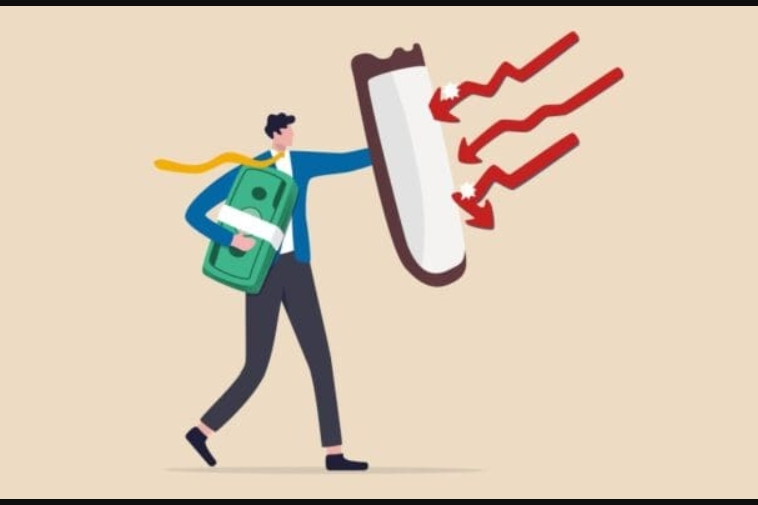
The decision for investors is whether it is appropriate to remain sanguine, confident in the capabilities of elected and appointed officials to manage the economy in a market-friendly manner, or whether it is time to be fearful when others are greedy.


Comments
Log in or sign up to join the conversation.