

The Tape Refuses To Break
The market walked back in from the long weekend like a trading floor after a fire drill, smoke still in the air, alarms still echoing, but nobody quite willing to call it a full evacuation.
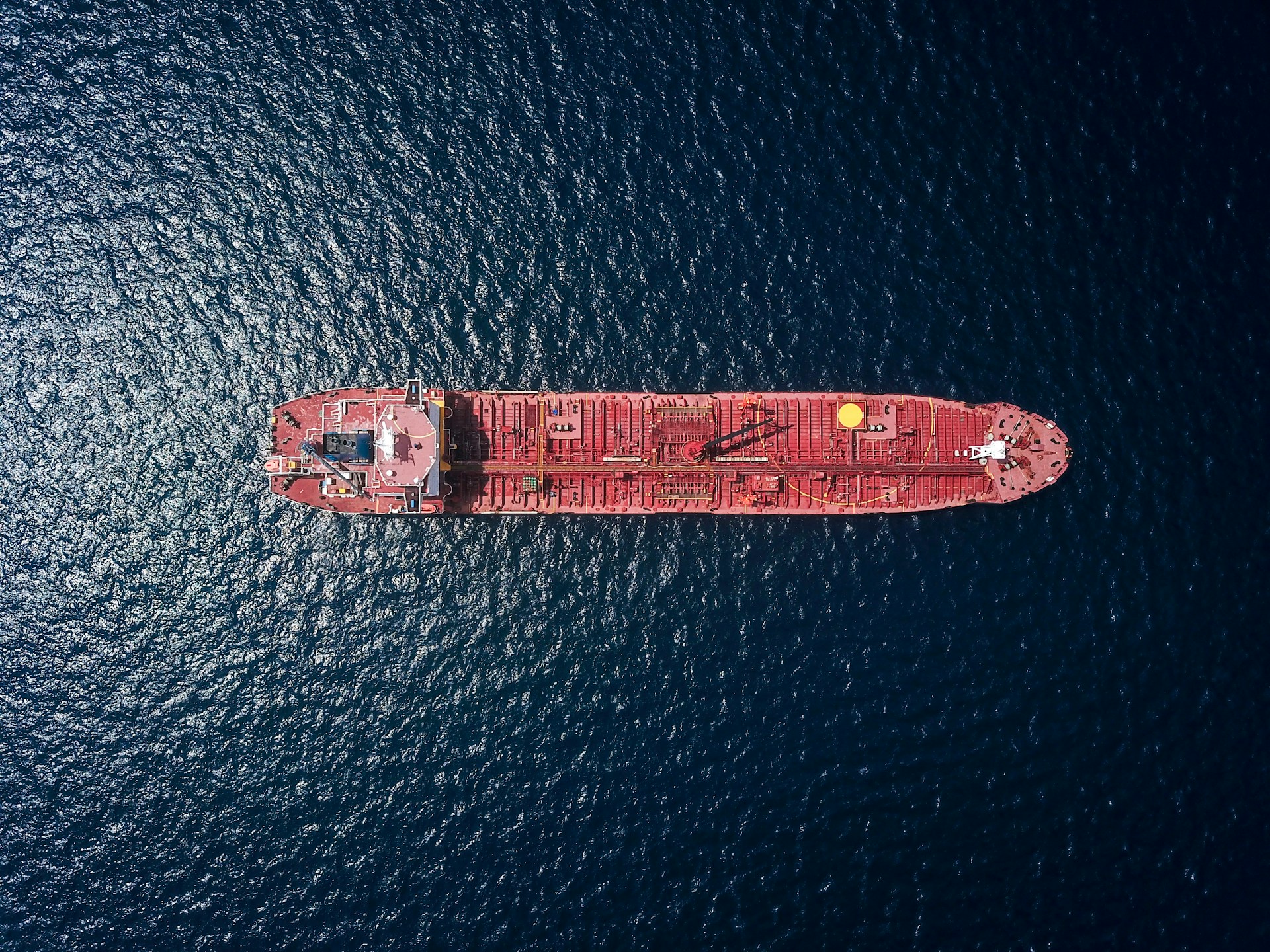
Crude wasted no time asserting itself. Higher on the open, higher on the narrative, higher on the simple reality that when geopolitical clocks start ticking, barrels stop being commodities and start becoming leverage. The Strait is no longer a shipping lane; it is a choke point with a timer attached. Traders are no longer debating flows; they are pricing access.
And then the clock got a voice.
Donald Trump stepped back into the frame early Sunday, reviving the threat matrix with language that markets understand all too well. Hard timelines. Conditional escalation. Just enough ambiguity to keep risk premia bid. The warning was explicit. If the Strait remains effectively shut, Iranian infrastructure moves into the crosshairs. Then came the second message, sharper, almost theatrical in its precision. “Tuesday, 8:00 P.M. Eastern Time!” A timestamp dropped into the market like a depth charge, with no coordinates attached.
That is how you bend a curve without touching a barrel.
Because once time enters the equation, positioning stops being a choice and starts becoming a constraint. Optionality decays. Risk managers tighten. And crude stops trading, the balance sheet of supply and demand. It starts trading the probability distribution of outcomes inside a shrinking window.
This is no longer about whether flows normalize. It is about whether they can before the clock runs out.
And yet, equities barely flinch.
That is the tell.
Because beneath the surface, the tape is running two entirely different scripts at once. Oil is trading scarcity. Equities are trading resiliently. And somewhere in between, the market is trying to convince itself that both can be true at the same time.
Friday’s strong US payroll print handed risk a shield. It told investors the US economy still has enough muscle to absorb an energy shock, at least on first impact. That matters. It buys time. It delays the moment when higher oil feeds through to slower growth, tighter financial conditions, and eventually weaker earnings.
But oil does not care about payrolls.
The barrel writes the rate path. It always has.
And if crude keeps pressing higher, that neat separation between energy shock and growth resilience starts to collapse. Gasoline prices are already doing the heavy lifting. A near $1 per gallon surge at the pump is not just noise. It is a transmission mechanism. It bleeds directly into inflation prints, into expectations, into the front end of the curve.
This week’s CPI is not just another data point. It is the first real checkpoint on whether the energy shock is leaking into the system faster than expected.
Meanwhile, volatility is beginning to whisper before it screams.
The S&P term structure flipping back into contango is one of those subtle tells that the market rarely spells out in plain English. Near-term calm, longer-term unease. Traders are not panicking today, but they are quietly paying up for protection tomorrow. That is not fear. That is preparation.
And positioning still explains the strange calm.
Last week’s rally had all the fingerprints of a squeeze. Shorts caught leaning the wrong way into what they thought was a de-escalation window. When that window did not fully close but did not open either, the market found itself suspended in that awkward middle ground where nobody is fully right, but nobody is fully wrong enough to force a reset.
So we drift. Slightly lower. Slightly uneasy. But not broken.
Asia, however, does not have that luxury.
If the US is trading resilience, Asia is trading exposure.
Energy shocks hit the region differently. Not immediately, but with a lag that often makes them more dangerous. Cargoes already in transit, inventories already drawn, pricing contracts already locked. There is a delay before the pain fully registers. And when it does, it tends to arrive all at once.
This is where the second order effects start to matter.
Currencies become pressure valves. Inflation becomes imported. Central banks are forced into decisions they would rather avoid.
The vulnerability map is not evenly drawn. Economies heavily reliant on imported energy sit directly in the blast radius. The Thai baht, the Korean won, the Philippine peso. These are not just FX pairs right now, they are expressions of energy dependency. When oil rises, they do not just weaken, they absorb the shock on behalf of the system.
Thailand, in particular, sits right in the crosshairs. Structurally exposed, policy still accommodative, funding still cheap. It is the kind of setup where the currency becomes the adjustment mechanism almost by default.
China stands apart, not immune, but insulated. A different energy mix, deeper reserves, and a system less immediately sensitive to imported crude volatility. That does not make it safe, but it does make it steadier.
And then there is the timeline problem.
Markets are trying to price an endgame that does not yet exist. Probabilities are scattered. Some expect a near-term ceasefire. Others push it out months. The only consensus is that nobody truly knows.
That uncertainty is what keeps crude bid even when headlines soften.
Because once infrastructure risk enters the equation, it is no longer about whether tensions ease. It is about how quickly supply chains can normalize, even if they do.
And that is why equities have not cracked.
Not because the risk is not real, but because the market has not yet been forced to choose which narrative wins.
For now, it is still holding both.
Growth is fine. Oil is a problem. Policy will adjust. Volatility is coming, but not today.
That balancing act can persist longer than most expect.
Until it cannot.
Because eventually, the barrel stops whispering and starts dictating.
And when it does, the tape does not drift.
It moves.

Comments
Log in or sign up to join the conversation.