

The Reality Check
The reality check is arriving quietly, not as a shock but as a slow tightening that the market can feel but is still trying to ignore. Even with a firmly constructive view on AI and its ability to carry the tape, it is becoming increasingly difficult to dismiss the fact that we are entering a critical phase where the macro pressure from oil is no longer a background noise but a dominant force. Risk appetite is running out of room to absorb the steady rise in crude, and the market is beginning to trade as if the cushion is thinning.
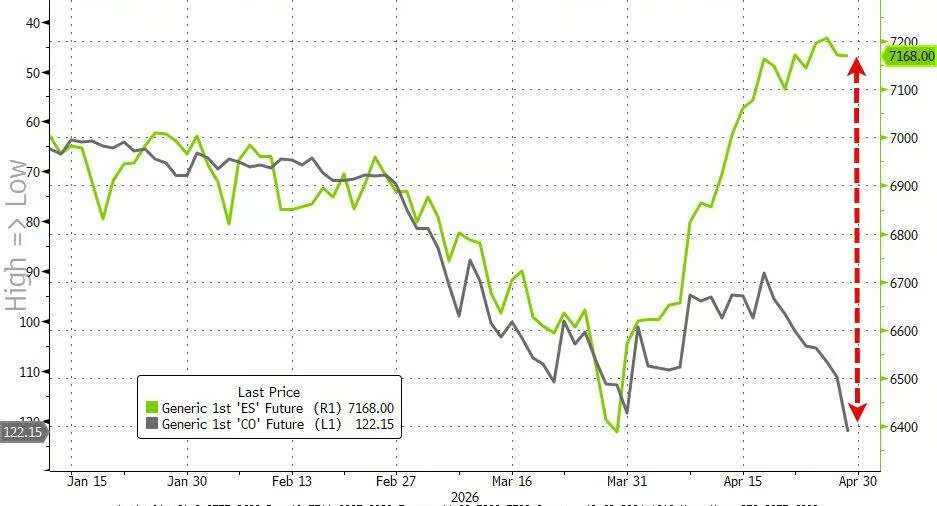
This is not a spike driven by fear. It is a grind driven by constraint. The White House is preparing for a longer campaign, not a quick resolution, and the message being sent to energy markets is clear. Pressure on Iran will be maintained while the administration attempts to shield domestic consumers, a balancing act that signals duration rather than closure. When policy shifts from reaction to endurance, markets tend to follow.
At the same time, the physical market is already adjusting to a world where the Strait remains restricted. Flows are no longer assumed, they are negotiated. Traffic is reduced to sporadic bursts, tightly managed and far from sufficient to normalize supply. This is not a disruption that is being resolved. It is one that is being managed, and that distinction matters because managed disruptions tend to persist.
Iran’s response reinforces that view. The appearance of additional tankers being used for floating storage is not a tactical move, it is a signal that export constraints are expected to remain in place. When producers begin storing crude at sea rather than moving it through the system, it reflects a market where supply is backing up at the source while demand continues to pull from elsewhere.
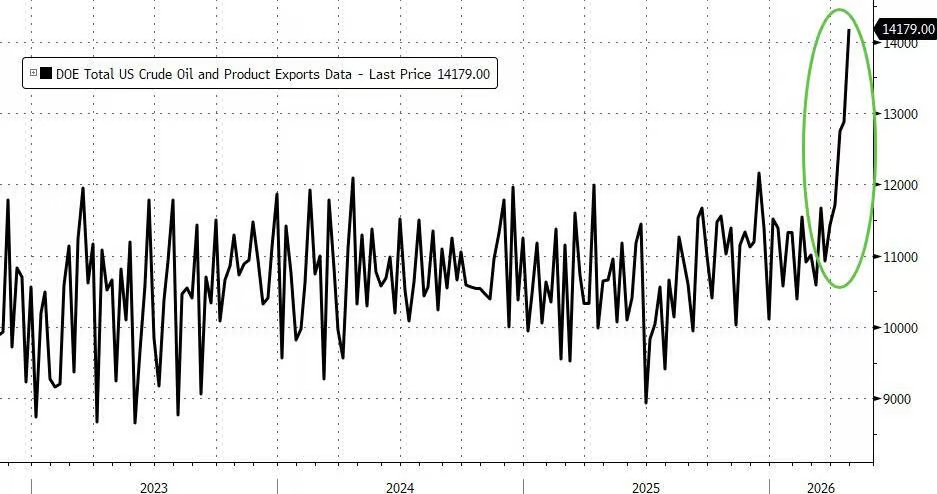
That pull is increasingly being felt in the United States. Exports have surged to record levels above 6 million barrels per day as global buyers scramble for replacement barrels. This is not the US creating surplus. It is the US redistributing supply to offset the shortfall. The latest inventory data underscores that shift. Cushing stocks dropping below 30 million barrels is not just a statistic, it is a sign that inland supply is being drained and redirected toward coastal terminals for export.
Refined products are telling the same story. Gasoline and distillate inventories are running seasonally tight, not because demand is surging, but because supply is being rerouted. The system is being stretched to compensate for a missing piece, and while it is holding for now, it is doing so with less margin for error.
That leaves the market facing a narrowing set of outcomes. A prolonged restriction of the Strait with intermittent flare ups is the most likely path, and it keeps crude supported. Tighter enforcement or further disruptions to shipping would push prices higher as the system absorbs additional strain. A broader regional escalation remains the extreme scenario, where the current pattern breaks into something more disorderly. The only scenario that brings relief is a partial reopening of flows before any larger political resolution, a step that would ease the physical pressure without requiring a full agreement.
From a market perspective, the conclusion is straightforward. Oil does not need a fresh escalation to remain elevated. It only needs the current conditions to persist. As long as the siege continues and inventories continue to be drawn down, the physical squeeze intensifies. Each delay in shipping and each refinery adjustment reinforces the perception that supply is tightening and that the headwinds to risk appetite are growing.
This is where the tension with equities becomes most visible. AI continues to act as the primary support for the market, drawing capital and sustaining valuations through sheer scale of spending and expectation. But that support is now being tested by a macro environment that is becoming progressively less forgiving. The market is holding together, but it is doing so by leaning harder on a narrower base.
The reality is that markets can absorb a lot, but not indefinitely. The longer oil continues to rise without relief, the more it begins to bleed into the broader system. It works its way through costs, margins, and eventually consumption, tightening financial conditions even without a change in policy. That is the phase we are entering now, where the impact is not immediate but cumulative.
This is not the moment where things break. It is the moment where the structure begins to feel the strain.

Comments
Log in or sign up to join the conversation.