Microsoft And Alphabet: Can AI Growth Fund The Buildout?

Microsoft generated $18.6 billion in free cash flow, outpacing Alphabet’s negative result amid heavy AI infrastructure spending.

Source: DepositPhotos

Strong Growth, Two Very Different Cash Stories.

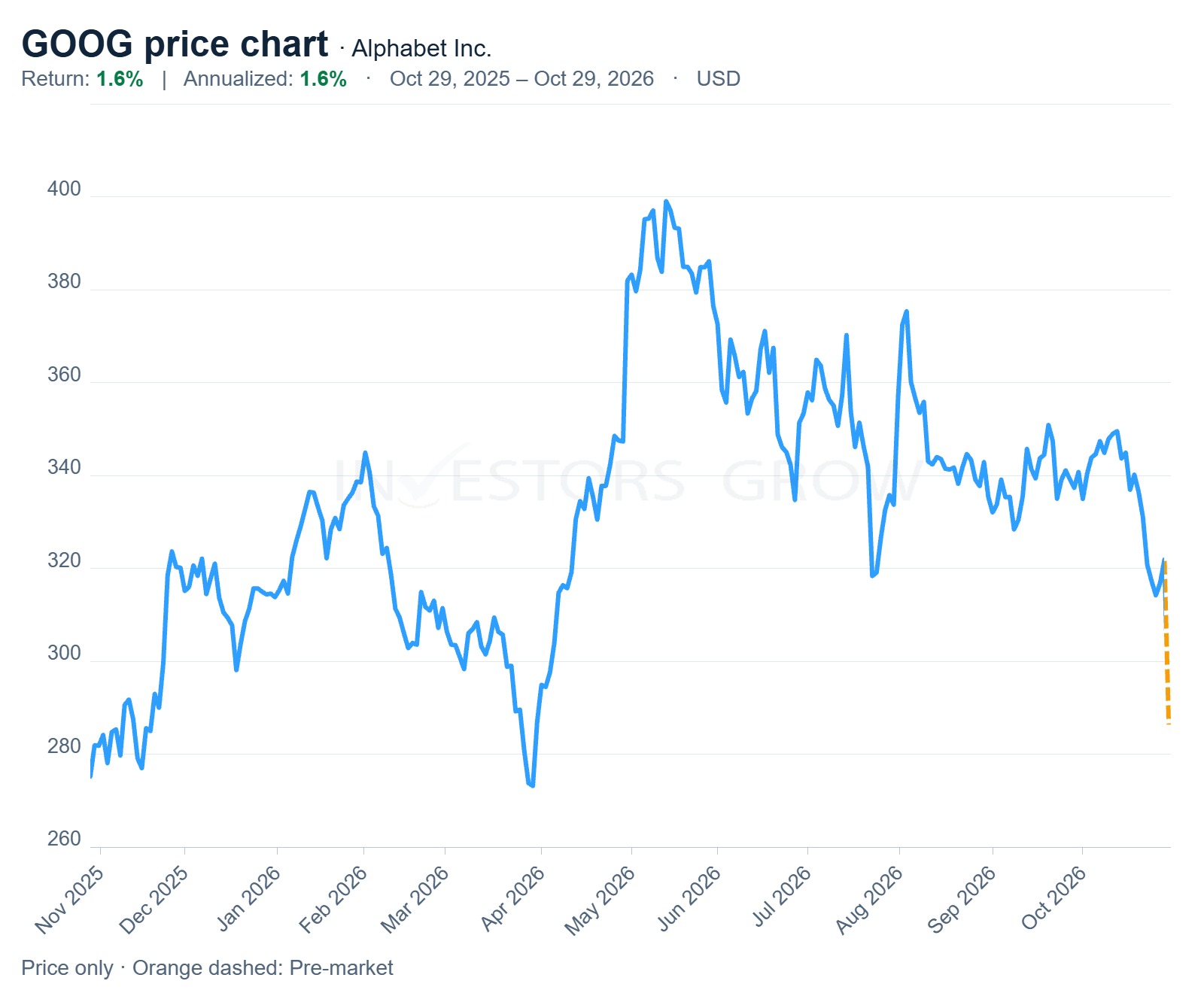
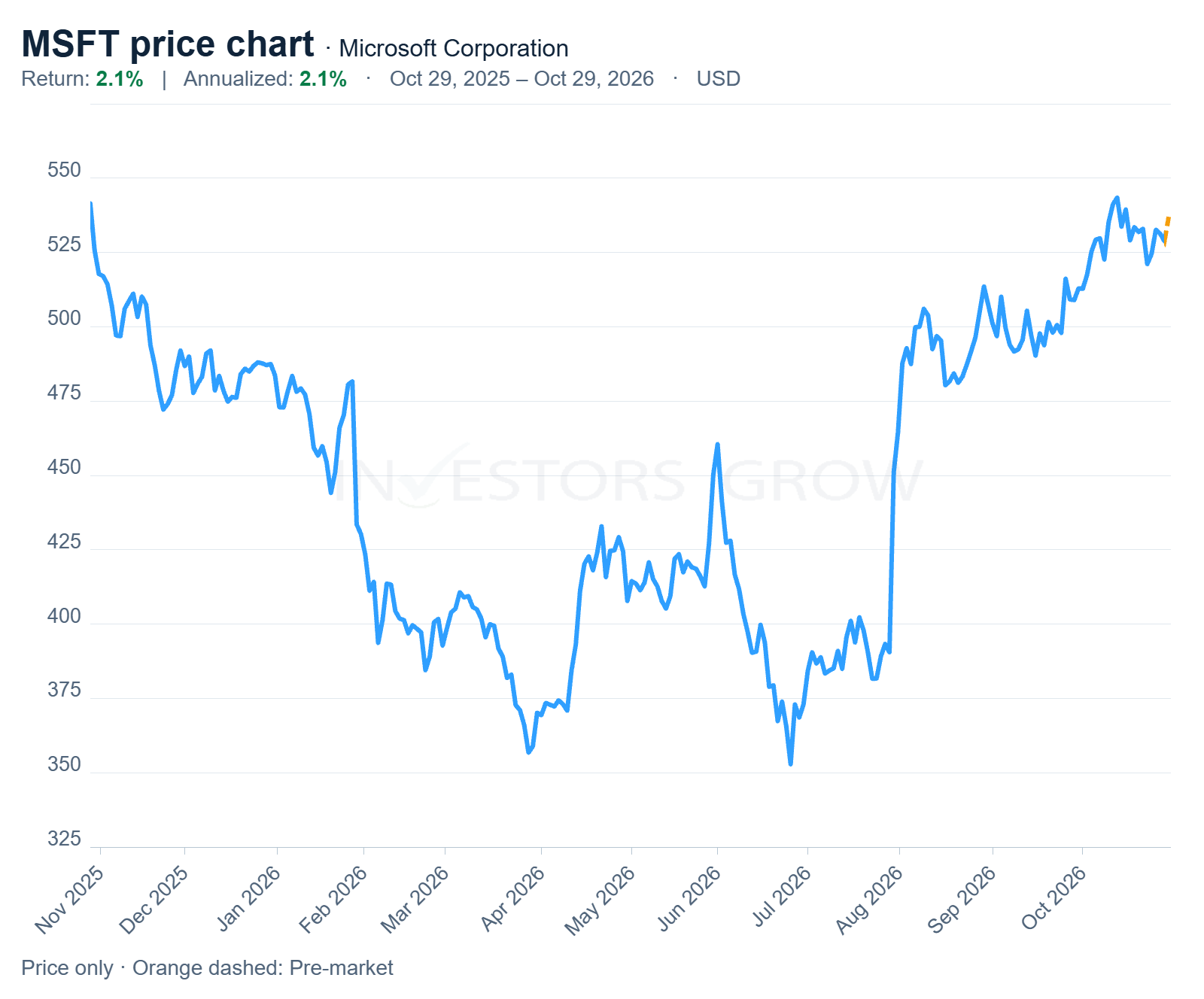
Alphabet (GOOGL) is down about 11% in early Thursday premarket trading after advertising revenue disappointed and cash burn came in worse than expected. Microsoft (MSFT), meanwhile, was up around 1.5% after generating substantially more free cash flow than analysts anticipated.

Alphabet (GOOGL) and Microsoft (MSFT) both reported strong revenue growth Wednesday evening. The bigger contrast was free cash flow, the cash generated by operations after cash investment in property and equipment. Alphabet's CFO reported negative free cash flow of $9.1 billion, while Microsoft's CFO reported positive free cash flow of $18.6 billion. These results leave different questions about how each company will support its next wave of investment.

The October 28 reports cover the same three months ended September 30, 2026, although Alphabet calls this its third quarter and Microsoft calls it the first quarter of fiscal 2027. Microsoft's quarterly cash generation offers more support for further spending. Alphabet's results put greater weight on improving Search monetization and collecting payments from its growing equipment business. One quarter cannot establish the eventual return on either company's AI buildout. Dollar figures below are in US dollars.

Alphabet: More searches need to earn more ad dollars

Alphabet's third quarter results showed revenue rising 25% from a year earlier to $127.6 billion. Operating income grew 30%. The business was growing even as investment absorbed its cash.

Search shows why usage and revenue need separate attention. Google Search & other revenue grew 12%, while management said the annual growth rate in queries was its highest in five years. On the earnings call, Chief Business Officer Philipp Schindler acknowledged that AI Mode, Google's conversational search experience, monetized at a lower rate and affected the revenue growth picture. He identified currency movements as the largest contributor to the slowdown in Search revenue growth from the previous quarter, alongside changes in advertiser spending.

More searches give Google more opportunities to sell ads. But a question about something a person might buy has different advertising potential from a general request for information. Revenue depends on the mix of questions, where useful ads can appear and what advertisers will pay. Growing usage becomes more valuable if Google can earn more advertising revenue from it.

Google Cloud grew much faster, with revenue rising 103% to $30.7 billion. Some of that growth came from selling TPU systems, computing systems built around Google's specialized AI chips. Cloud services and equipment sales both contributed. That product mix makes the headline growth rate an imperfect comparison with Microsoft's Azure business, rather than a clean measure of which company is winning more cloud computing customers.

Selling equipment also changes when cash comes in. Alphabet buys components and builds inventory before collecting customer payments. Management said the TPU inventory is tied to signed contracts. That gives the company evidence of demand, but it still has to fund the equipment before customers pay. This inventory spending is separate from purchasing infrastructure for Alphabet's own use.

CFO Anat Ashkenazi reported $42.3 billion of operating cash flow, $51.4 billion of capital expenditures and negative free cash flow of $9.1 billion. Inventory buildup and a $5.2 billion payment for a historical European Commission fine also weighed on operating cash flow. Those pressures are already reflected in the cash result, rather than additional amounts to subtract from it. The shortfall reflects several different cash demands, rather than a single measure of AI operating losses.

More spending is ahead if management follows its current plans. Alphabet maintained its calendar 2026 capital expenditure outlook of $195 billion to $205 billion and expects a significant increase in 2027. Management also warned that using more outside computing capacity would pressure Cloud margins in the near term. Buying that capacity can help serve customers sooner, but it adds payments to another provider to the cost of serving them.

The encouraging outcome would be stronger advertising revenue from AI search and customer payments catching up with the systems inventory buildup. If weaker monetization persists or inventory keeps absorbing more cash, rapid revenue growth alone becomes a less convincing argument for the spending.

Alphabet Inc. Class C (NASDAQ: GOOG), one-year price chart in USD, October 29, 2025 through October 29, 2026, including premarket trading.

Microsoft: Getting more out of equipment it already has

Microsoft's fiscal first quarter results showed revenue rising 19% from a year earlier to $92.3 billion and operating income increasing 21% to $45.9 billion. Azure, its cloud computing business, grew 48%.

CFO Amy Hood said engineering improvements helped Microsoft sell computing capacity that had been underused. If existing equipment can handle more customer work, Microsoft can earn additional revenue before new capacity arrives. That is a concrete way for earlier investment to start paying off.

Microsoft also has more than one way to charge for AI. A subscription charges for access to software. Consumption billing charges as customers use additional services. Management described combining those approaches across Copilot offerings, giving Microsoft a way to earn more from an existing customer when the extra work is worth paying for. Expanding this approach across Microsoft 365 will require customer education and changes in how Microsoft sells, management said. The profit opportunity depends on those additional payments covering the computing costs of doing the work.

The quarter's cash result was stronger than Alphabet's. Hood reported $58 billion of operating cash flow, $39.4 billion of cash spending on property and equipment, and $18.6 billion of free cash flow.

Microsoft also reported a broader capital expenditure figure of $45.2 billion, including finance leases. Those arrangements finance assets over time, with their full principal value recognized in this spending measure when the leases begin. That makes the figure different from cash paid for equipment during the quarter. The distinction matters when comparing spending with cash generation.

Some outside capacity deliveries were delayed, which held down the quarter's capital expenditures relative to management's expectations. Hood expects spending above $50 billion on that broader measure in fiscal Q2, followed by acceleration in the second half of the fiscal year. Part of the investment bill has moved into later quarters.

For fiscal Q2, management expects Azure revenue growth of 49% to 50% in constant currency, which removes exchange rate effects from the comparison. That outlook partly depends on further efficiency gains while capacity remains constrained. Microsoft's next test is whether it can keep turning more customer work into revenue and cash as the delayed capacity arrives.

Microsoft Corporation (NASDAQ: MSFT), one-year price chart in USD, October 29, 2025 through October 29, 2026, including premarket trading.

What would make this spending pay?

Rising profit and pressure on cash flow can happen at the same time. Equipment purchases use cash upfront, while depreciation spreads their expense across years. Inventory creates another timing gap: money goes into products before customers pay for them.

Those gaps can reflect worthwhile investments, but the eventual receipts and profits have to justify the cash committed. Neither company's total infrastructure spending is a separate tally of AI investment, so these results cannot establish a precise return on AI alone.

Alphabet's results put the focus on Search monetization and payments from its growing systems business. Microsoft's put it on whether efficiency and paid usage can keep pace with the next wave of spending. Sustained cash generation through that buildout would tell investors more about the returns than another quarter of fast cloud growth alone.

STOCKS IN THIS ARTICLE

Comments