

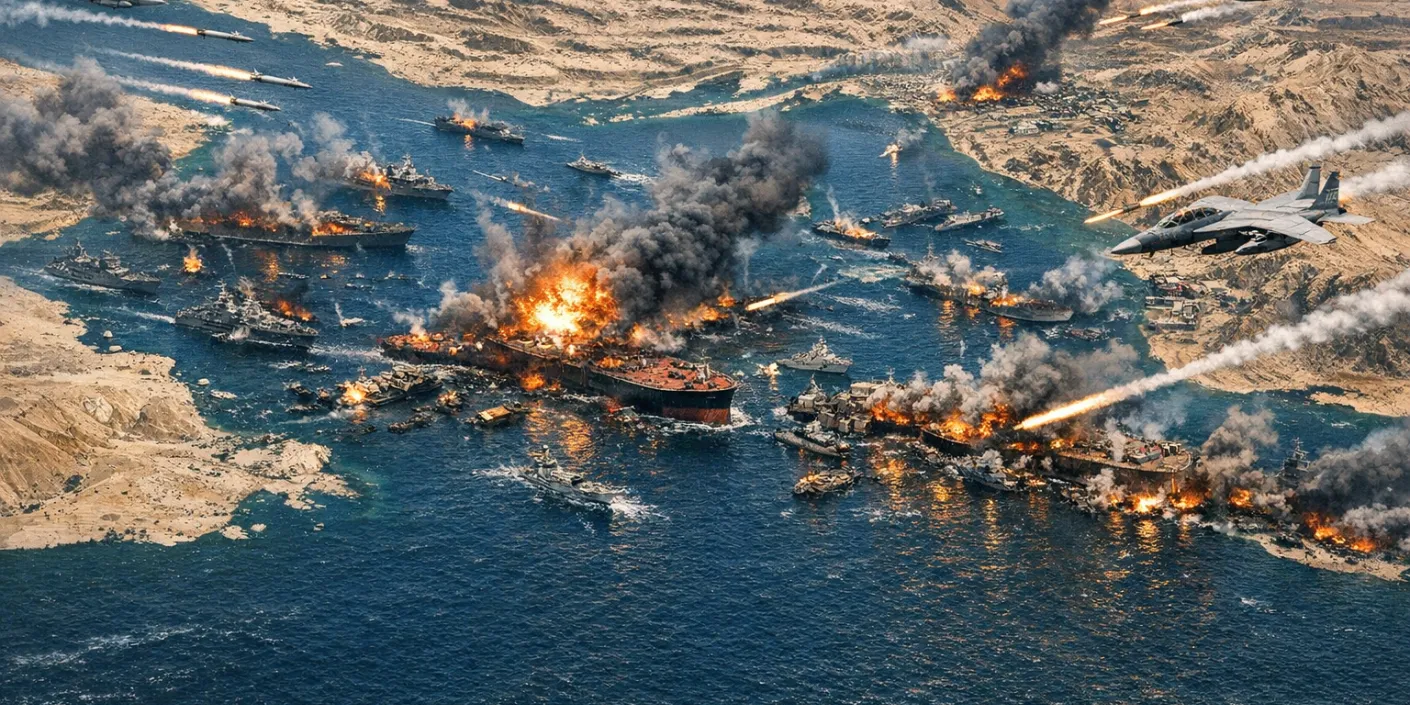
There is no shortage of commentary surrounding the current conflict involving the United States, Israel, and Iran. Rather than revisit the geopolitical details, this update will focus specifically on the potential economic and investment implications.
The single most critical variable in the current situation is the Strait of Hormuz — a narrow but strategically vital waterway that represents one of the most important shipping chokepoints in the global economy. Located between Iran and Oman, it connects the Persian Gulf to the Gulf of Oman and ultimately the Arabian Sea.
Its significance lies in global energy markets: approximately 20–25% of the world’s oil supply transits through this corridor. Any disruption, restriction, or blockade of traffic through the Strait could materially impact global energy flows, potentially driving oil prices sharply higher and increasing volatility across financial markets.
Futures markets opened lower on Sunday, accompanied by a sharp increase in oil prices, signaling the likelihood of a significant decline at Monday’s open. Although equities initially moved lower, the market staged a notable recovery, with the S&P 500 ultimately posting a modest gain for the day.
Tuesday, however, presented a different tone. Markets opened more decisively in negative territory, reflecting heightened concerns as oil tanker traffic through the Strait of Hormuz slowed significantly. This followed requests from the United States for oil companies, traders, and tanker operators to avoid the Strait out of an abundance of caution.
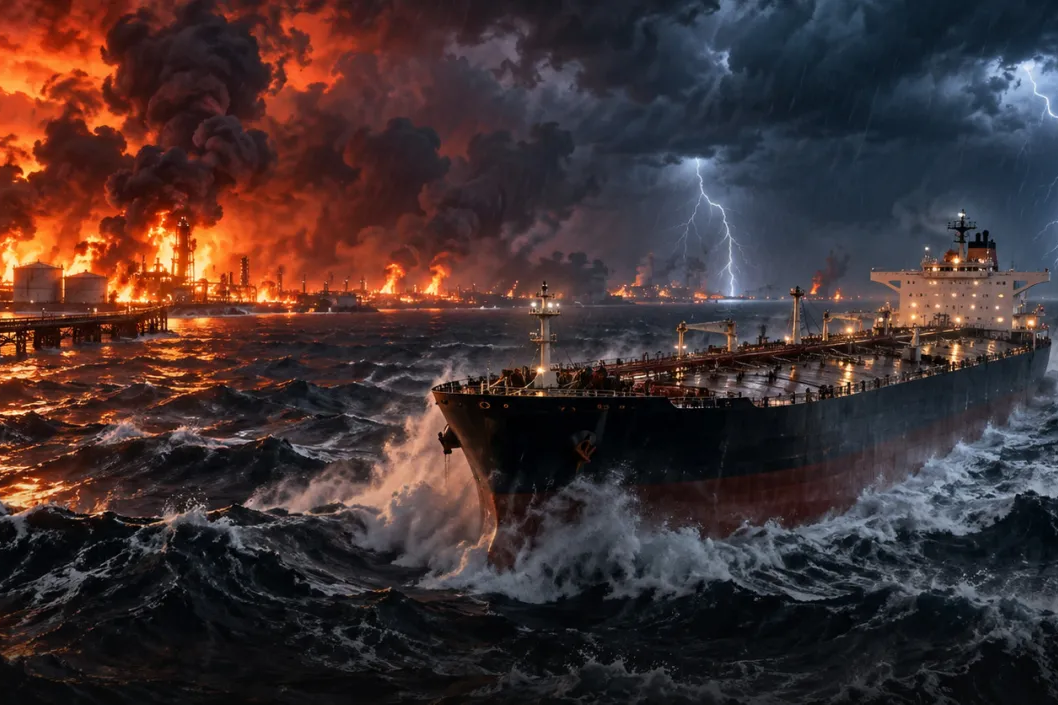
To illustrate the strategic importance of the Strait of Hormuz, consider the following infographic.
To illustrate the strategic importance of the Strait of Hormuz, consider the following infographic.

Source: Google Gemini
As illustrated in the infographic, the U.S. equity market has been less affected than other regions, supported by strong domestic energy production and imports from reliable Western Hemisphere partners such as Canada and Mexico. The greatest share of exports that flow through the Strait head to China, India, and Japan.
While the ability to move tankers out of the Strait into international waters is critical, it is equally important that tankers are able to enter the Middle East’s oil-producing nations. Onshore storage capacity in many Middle Eastern countries is limited. If tankers cannot take delivery of supply, producers are forced to curtail output, which can contribute to higher oil prices. This dynamic is already emerging, as Iraq has begun shutting production at Rumaila due to storage reaching capacity.
Oil prices retreated late in the day on Tuesday as President Trump said the US Navy will escort oil tankers through the Strait of Hormuz and that financial insurance would be made available for tankers through the U.S. Development Finance Corporation.
The economic impact of the conflict with Iran will largely depend on the duration of any closure of the Strait of Hormuz and the length of the aerial campaign. A shutdown of the Strait restricts oil flows and production, affecting prices, while an active conflict in the Middle East adds a geopolitical risk premium to oil. Elevated oil prices reduce consumer discretionary spending, increase input costs for businesses, and complicate the Federal Reserve’s monetary policy outlook. Overall, economic growth would likely slow, and if the conflict is prolonged, the risk of recession stemming from an oil shock increases.
In 2022, the Biden Administration depleted the Strategic Petroleum Reserve, reducing US emergency stockpiles to levels not seen since 1983. Although inventories have been gradually rebuilt, they remain at relatively low levels, currently at approximately 58% of capacity. As a result, available reserves may offer limited relief in the event of a significant oil price spike, reinforcing the importance of a timely resolution to the conflict.
Investment Implications and Portfolio Strategy
We are proceeding with a disciplined, strategic approach as conditions remain fluid. During the recent decline, we have selectively trimmed weaker-performing positions to free up capital, allowing us to redeploy resources into higher‑conviction opportunities and reinforce overall portfolio strength.
If the United States is able to bring the conflict to a swift conclusion, we would expect risk assets to advance and oil prices to moderate. In that constructive scenario, we intend to use the recent pullback to selectively add strong investments at more attractive valuations.
However, should hostilities persist, continued market pressure is likely. In that case, we will continue to raise cash by exiting the weakest holdings and begin shifting portfolios into a more defensive posture.
We will continue to monitor developments closely and provide updates through additional client communications and our Financial Sense Newshour podcast. Should you have any questions regarding your portfolio or our strategy, please contact your wealth manager.

Comments
Log in or sign up to join the conversation.