

The 'road ahead' for stocks, is peppered with potholes dug by Fed officials, at the same time the market is trying to dismiss these very real expectations if something else doesn't change the roadmap for the rate tightenings, etc.

Of course the Fed trajectory could change 'if' inflation broke dramatically first. It is a very long shot, but that relates to Russia/Ukraine, and behind that we've got Oil, which could contract, but not plunge. So the terrain we've alluded to in recent days is still the same, as the 'suspension' of the market tries to cope.

It was Brainard's comments peeking my curiosity, as she was considered one of the 'doves' on the Fed, as she spoke in terms of methodical rate hikes from May forward. She has moved to her most-hawkish posture, and she happens to be the nominee to become Vice Chair of the Fed, so there's that aspect.
Today she said 'we're going to do it in May' and we're going to do it 'rapidly'. It was a stronger posture than what we've heard from Chairman Powell, and the reference to 'scaling-up' to unwinding the Balance Sheet more quickly than all the views before have expressed. So, what's notable, is the market handled it well for a few hours, then succumbed with an 'absence-of-bids' later in the day, clearly few interested in buying just before the pending FOMC Minutes.

JP Morgan's Dimon said as much yesterday, Brainard said it today, however I think people are frustrated, the Administration is not running on all cylinders, so now the Fed is going to apparently tighten until something breaks. Catch is most market sectors are already broken, aside stronger Oils and mega-caps.
The general idea is a 'recession' has to be on the horizon, and we think that's in-addition to the one we already had in many aspects (other than housing of course), perhaps masked by the concurrent inflation triggered by stimulus and too much 'help' to society, well before the added impetus of higher Oil or war.

In-sum:
We anticipated some consolidation today anyway, however the Feds made sure to get the market's attention with Brainard's hawkish comments.
My guess is that the Fed-heads were 'front-running' the FOMC Minutes we'll get tomorrow (Wednesday), and this was to slightly disarm the reaction to the likely staunch inflation-fighting remarks within tomorrow's Minutes. Of course it is known by everyone, with the speculative Nasdaq taking a hit more than the S&P in today's behavior. So you might set-up an hourly oversold following the actual FOMC release, and run-in some shorts a bit. Not a trend factor but could influence the trading swings as we look forward a bit this week.
Wall Street 'thinks' there are 'conflicting signals' everywhere. Actually no, we'd say the Fed's crystal clear where they're heading unless inflation mysteriously unwinds, which won't happen significantly just due to wage and Oil influences.
Today the Fed (intentionally whether irresponsibly or not to atone for poorly thought-out monetary policies over the past year) .. today they 'shut the door' on the S&P's upside, which we expected to consolidate ahead of the FOMC Minutes, however this is more than that. This was an effort to inhibit upside, and to mitigate the proportional risk of a drop from higher levels, by weighing on S&P now, and cooling the zeal overtly. The Fed 'thinks' they'll curb inflation but somehow not curb growth, but in reality that happens mostly in-lockstep.
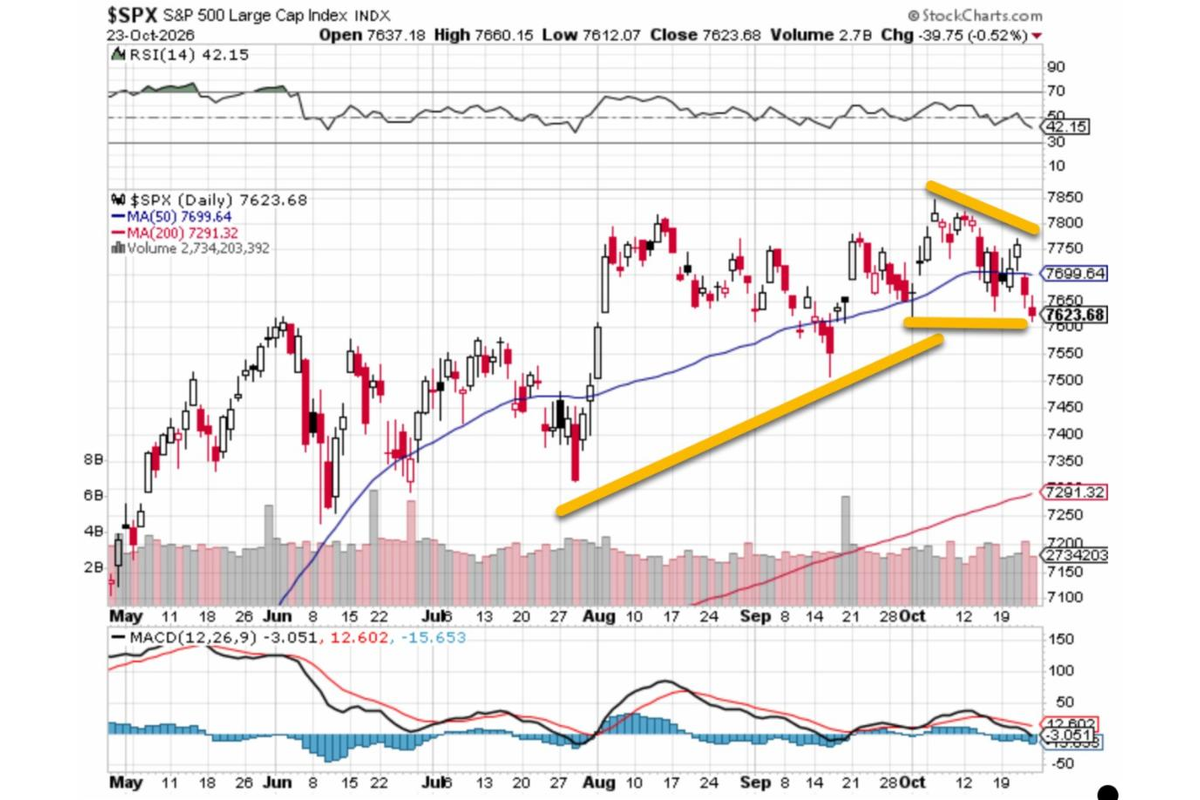
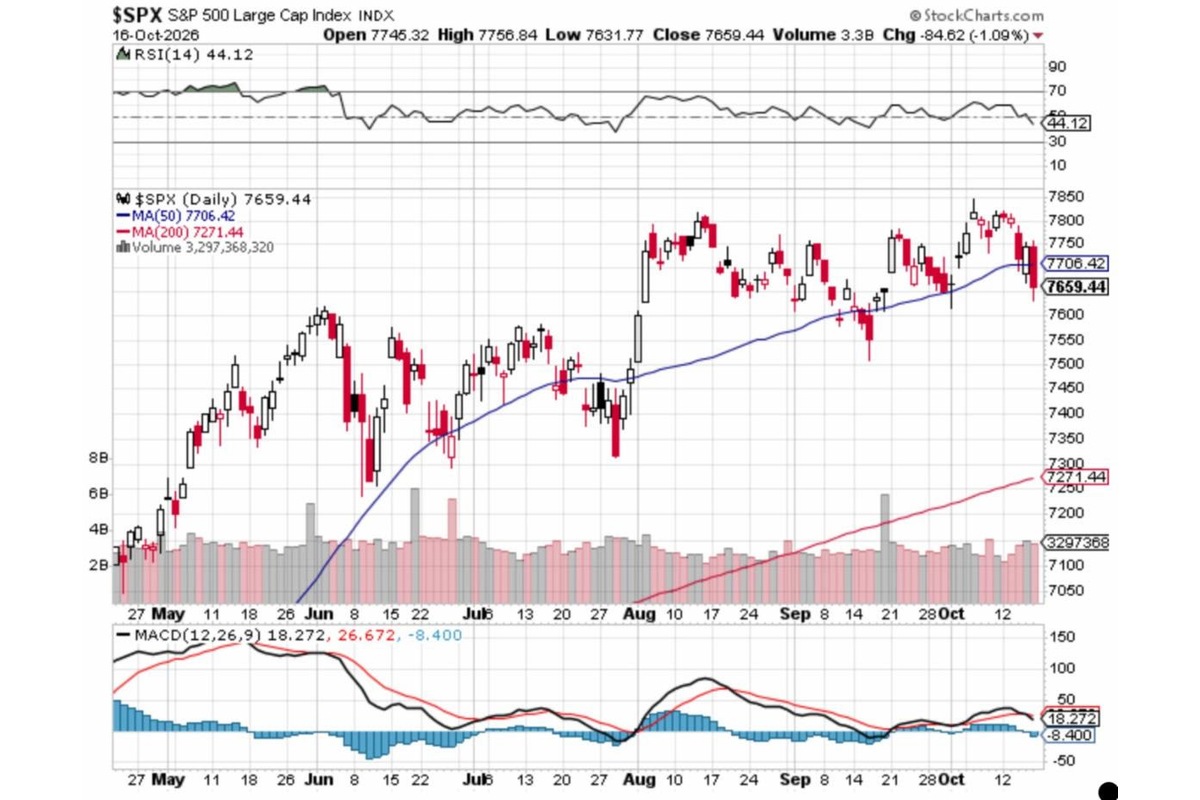
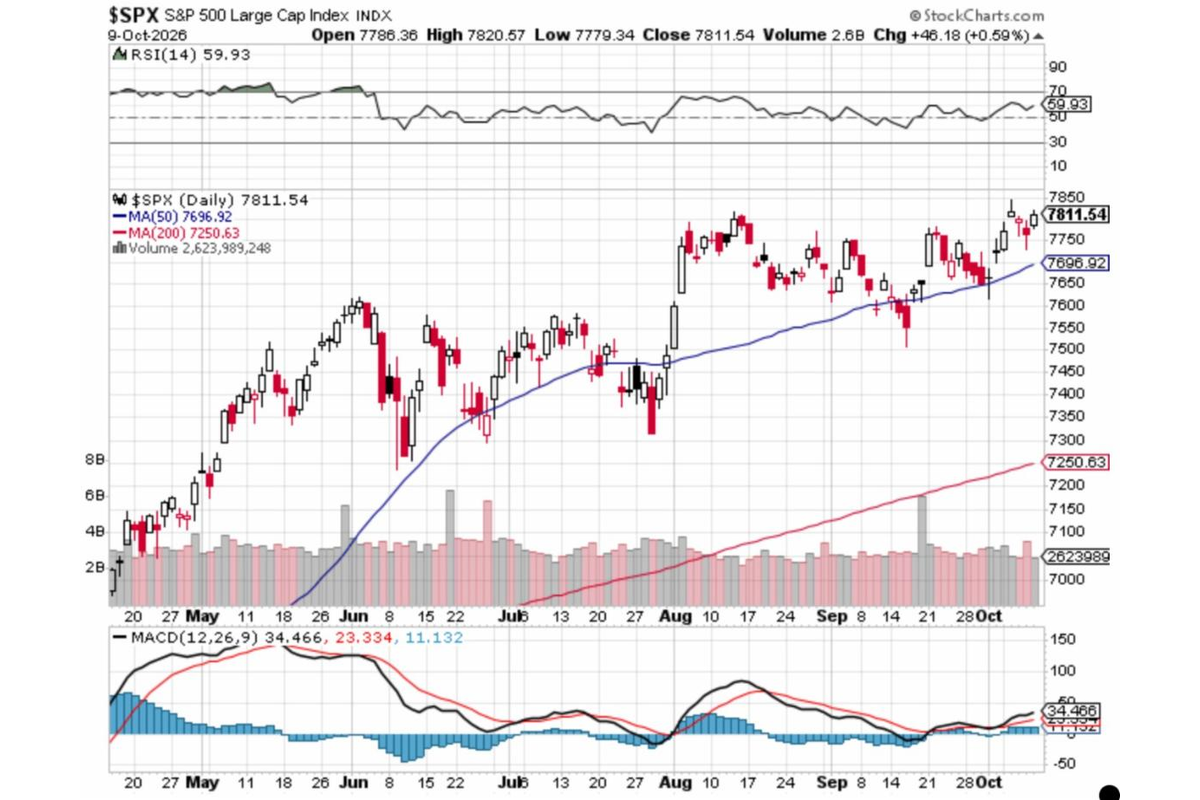
So the Bear Market rally rolled over, even if it evolves to be a pullback within context of a cycle coming from our 'Inger Bottom' low of March 2020. Either way, the behavior of the short-term could be about the same, and evaluated later as to longer-term definition of how it fits on S&P chart patterns.
My bias is the latter (the newer cycle), which doesn't mean you can't have the Fed-based agitation and response, but does mean it 'might' be absorbed over a period of time. Either way it retards the enthusiasm over the near term for a slew of mega-cap stocks as it should. We've warned 'don't fight the Fed', with a caveat that the market is bifurcated in ways rarely -if ever- seen before. At the same time so far they generally hit big stocks -or small- with equal misery. If the market's not going to actually crash again, you might well see reactions to the FOMC Minutes coming up, and then a temporary short-squeeze effort.

While we do not dwell on the political aspects of this kind of volatility, rates, and volume, as well as dominance of the mega-caps, it becomes a battle that pits 'worst of evils' for Washington, because they believe fighting inflation is of course the paramount mission. That won't help the Democrats in mid-terms, a point worth mentioning, as well as the dilemmas the President has either way.
If this turns into a mid-cycle slowdown and not a recession, we still get some setbacks in the big-cap Indexes, mixed action based on fundamentals in most smaller or disruptive stocks, and a lot depends on whether commodities ease and with millions of tons of wheat (for example) sitting in Ukraine warehouses that can't be shipped, and Russian Oil that mostly isn't bought, well.. visualize both the perpetuation of this situation, versus some 'surprise' resolution.
Very difficult to envision 'how' peace actually could be salvaged, since a slew of stories is now suggesting Vodka-infused Russians not only abused people, but may have 'carted-off' thousands of civilians to so-called 'filtration camps', which seems to be some sort of Russian variation on 'concentration camps'. If that turns out to be the worst-case, then how are Russians responsible at all less evil than the (nonexistent) Nazis they proclaim to weed-out in Ukraine?
I've met a few young Russians, here and in Prague a few years ago, and do have one Russian hockey-playing friend and another an investment advisor in Russia (at least until last month). And I met a young lady who luckily left Kyiv in Ukraine with her daughter, just after the Chernobyl nuclear disaster. All were lovely people, likely torn inside to see what's going on under Putin.
Commodity prices 'are' impacting everything, from inflation to stock prices and therefore a 'break' in inflation (should it occur) would be dramatically shocking in the presence of a tougher Fed. I don't think the Fed deserves faith in ability to engineer a soft landing, while I think it will be 'harder' if not terribly 'hard'.
In today's Fedhead comments, they made it clear what they intend, so unless something throws off their 'data-based' determinations, that's the expectation. Terrible policies, and presented without even referenced contributing factors, both with regard to their own hesitance to 'take a party punch-bowl away' last year, or the influence of higher wages and higher Oil, even before Putin's war.
With 30-year conventional mortgages just now cresting 5%, I suspect the Fed particularly is targeting Housing markets, hoping to break pricey real estate.

Bottom-line:
The Fed probably does not understand their own plans as well as the staunch hawkish comments suggest. I wish they would focus more on data than perceived policy objectives, because they failed that a year ago by letting themselves remain so far 'behind the curve' for so long, as oft noted.
The 'barbell' approach in stocks is about what makes some sense although its gone on for quite awhile. That's balancing big-cap core long-term holdings for sure, while having a handful of speculative value/growth stocks that emerged from a degree of bottom-fishing in most-technology areas believed disruptive or innovative or both.
It's almost incredulous how the Fed-heads are setting-the-table for problems (of their making, and their fault for letting it get to this point, not merely Putin's) and I ponder whether the Fed is sort of telegraphing a message of caution, as they look at the 'forward looking' market and don't see the hatches being very battened-down ahead of what the Fed intends. They are saying all this, I think in amazement that they're being ignored, and worried that they will be blamed (they will be) for any significant market purge that might materialize.
Getting inflation in-check: the objective, but the Fed (especially Brainard) fails getting the whole picture if they feel remorse about not getting prior 'transitory' inflation characteristics to contain inflation. They cannot contain 'war-related' or wage-related parts of this, and that's what's missing from their hubris, as of course they can control it by wrecking the economy, which harms the average people at least some Fed-heads proclaim to champion, against inflation. That's what happens from being 'behind-the-curve' for at least a year too long.

Probably we'll hear the 'birds of prey' panic and embrace 'sell everything' once again, but that has already happened in most sectors. Hence it's more complex. In other times we'd simply call for a S&P decline, which is resuming, but the catch is what lies beneath the surface of relatively high 'Averages'.
Comments
Log in or sign up to join the conversation.