

'Defining moments' are always clear in-hindsight, but at best are wavering or inconclusive judgements before an 'impact of change' becomes quite clear.

It was that way in the market almost 3 weeks en route to ~S&P 3800 targeted lows area, and it was that way on 'D-Day June 6, 1944', when it clearly didn't appear to the troops getting mowed-down by the Germans on Omaha Beach, that they'd prevail and do so within days of the Invasion's start.
Odd analogy, but in D-Day's case the troops were up front in the initial assault wave, with the Generals (seriously) following later. In last month's evacuation, it was clear that the troops had retreated to the trenches months earlier, with a handful of mega-cap Generals incredibly holding-up the S&P for some time. In a sense it's still the case. However even if emotions feel like another wave to the downside should arrive, again, it's hard to crash what already crashed.
I addressed this subjective aspect of analysis in the weekend comment about 'gray areas' of the market, in this case from a technical perspective. But there is more to it: during this same weekend and Monday, analysts were pained to continue arguing the over-valuation of the S&P and impossibility of upside. It's reasonable to 'not' expect multiples to go anywhere near where they were in a high-liquidity / easy-money time. And it's a worry that so many Americans are heavily 'in' equities instead of bonds, although that likely also worries the Fed. Everyone knows this, if they wanted to act, they likely already did awhile back.
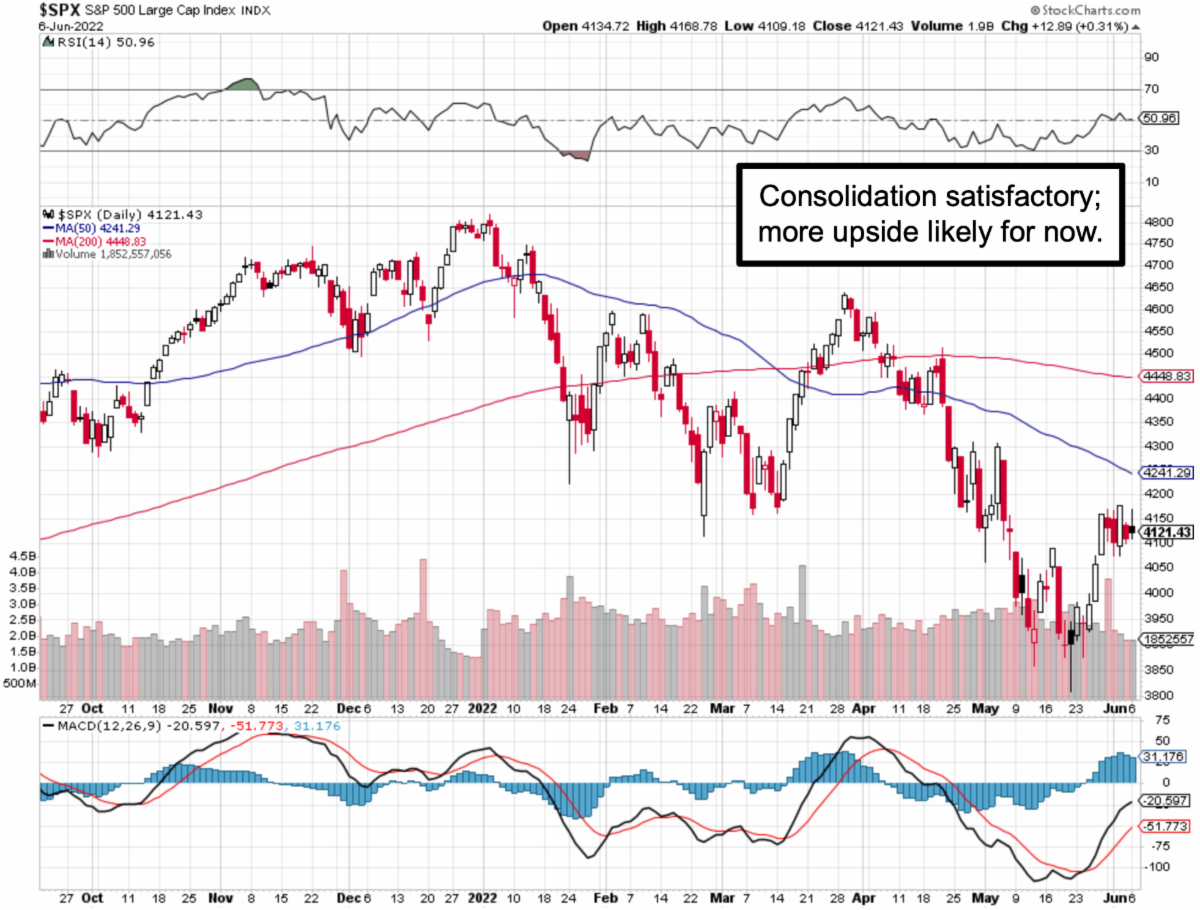
I don't dispute, especially in a higher-interest-rate environment that valuations are still excessive for certain mega-cap stocks. However as recent action we'd forecast for the rebound from around S&P 3800 evidences, these 'opinions' of course getting wide media coverage, have again proven either wrong-headed, premature, or after-the fact.
By that I'd referred to the mega-caps (the 'Generals') retreating to join already suppressed and defeated 'troops' in the trenches, so while the leadership may have shuffles and vulnerability, the bearish analysts basically are arguing for a handful of stocks to catch-down to where broad markets had already been.
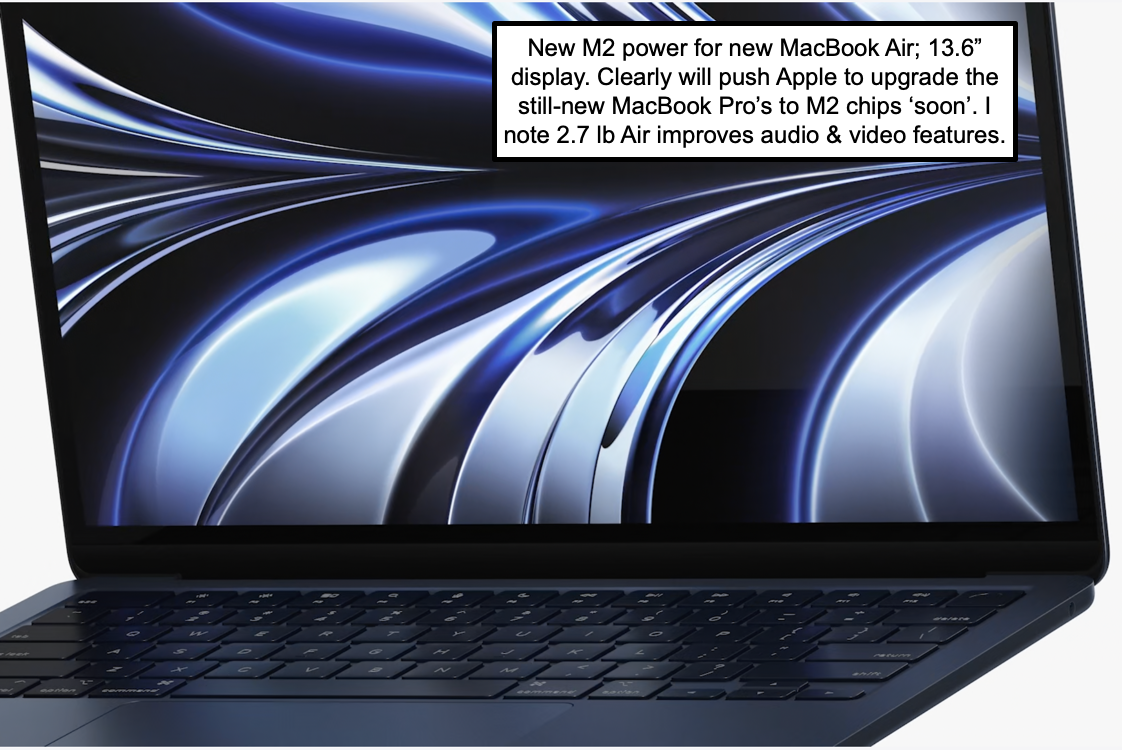
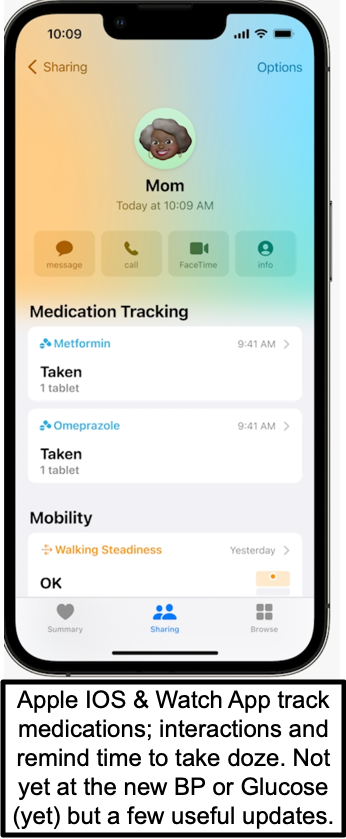
Meanwhile.. Apple (AAPL) introduced 'beta' versions of next-generation software, not available until Fall, although I'll share a couple interesting features. Improved messaging and cross-device utilization were notable. The introduction of their newest M2 processor in a MacBook Air was expected, while including it in the 'oldest' body of the 13" MacBook Pro seems a non-starter (I'd have put it in all the 14" and 16" Pro's, but probably they don't have ample supply and it won't sell well, as those needing the Pro will gravitate to the 14" model).
Also, unless they change their mind, Apple will 'drop' major Ventura MAC OS upgrades for iMac's and others before 2017. That's an awfully restrictive way to market new machines, however there is no 'newer' designed larger-display iMac, although I suspect either a 27" or 32" will appear by the time of Ventura being released publicly, probably in September. This is an aggressive timeline to phase-out a fine Operating System, and since the internals of a 2015-2016 iMac are essentially the same until you get to the 24" iMac, it smacks solely of a marketing effort to compel device upgrading. That's why I suspect a larger version of the iMac. Also, due to TSMC delays (supply-chain issues) the next iPhone 14 won't have the 3 nm processor, but that's not important to most, as the current processor and SOC (system on a chip) is extremely fast as it is.
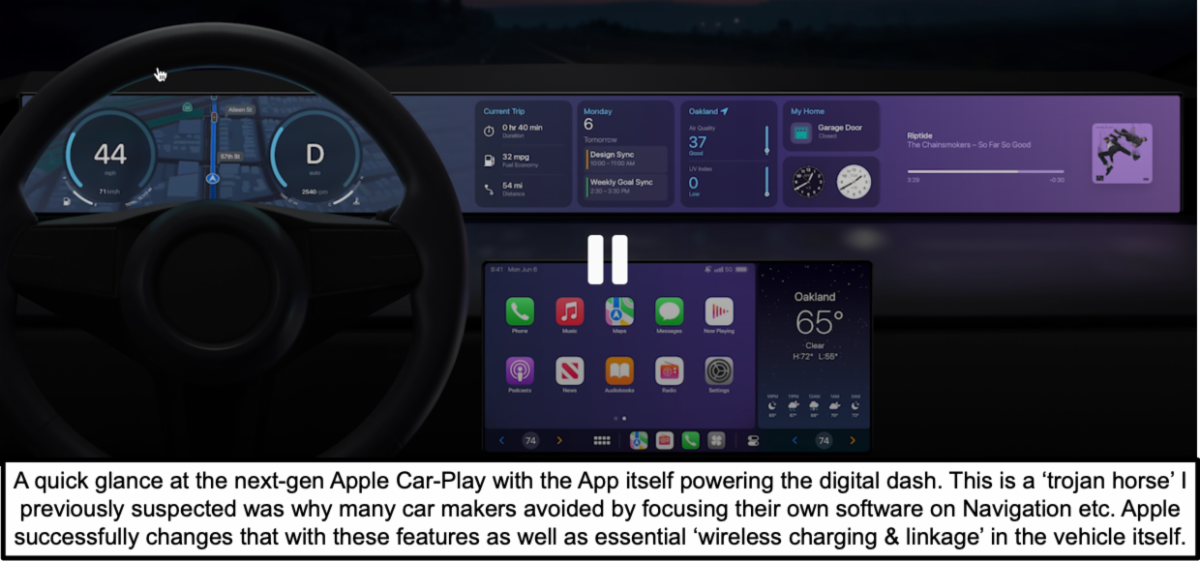
I thought the forthcoming Apple CarPlay features were of particular interest, with expectations that at least one automaker will have the 'digital dashboard' in a 2023 model. A lot of jobs were or will be lost by in-house software design, and that, along with uniqueness of product, may be why many automakers did resist Apple CarPlay all along (Mercedes was tardy, BMW was early just as a for-instance). We will see if this expanded role for CarPlay fits-in with the fairly secret 'Apple Car' (Project Titan), with some suspicion they are still interested in just the control and software aspects, not building an entire vehicle unless it is via joint-venture or acquisition of an EV company that would function as an independent entity, and probably shield the Parent (Apple) from some liability.
After the Apple summary, let's return to viewing the Fed and inflationary woes.
Keep in mind consumers can easily become overextended here, fuel alone is a cost compelling rethinking of budges across the Country where people don't have the easy availability of (often discouraged due to crime) mass transit. At the same time all bearish perceptions are based on presuming higher interest rates prevail, not just high Oil prices, and that the Fed doesn't retreat policies.
There was a similar chorus of negativity in 2018, to the point where reversals of policy did occur at the Fed, and they move to the easing trend well before a sort of 'emergency' ease which occurred during COVID and was prolonged well beyond logic, to which (while calling the recovery) we moaned would worsen the Fed's ability to navigate the situation from 'behind the curve', as it did.
However, there's a 'sequel feeling' listening to the major analysts or even the CEO's of a couple Wall Street firms contend how risky the market is, when or if they omit segmenting the market into the mega-caps, versus theme stocks of course never to regain extreme popularity, to beaten-down small caps that may have business models yet-to-be understood of embraced by investors.
In a few cases those very repressed stocks have seen insider-buying or funds in an accumulation phase, which is curious considering the lower price levels have and do allow patient accumulation versus the selling analyst coverage is often suggesting. Of course they are probably different institutional segments in the same firm, or so it will be posited if anyone questions the hypocrisy.
In-sum:
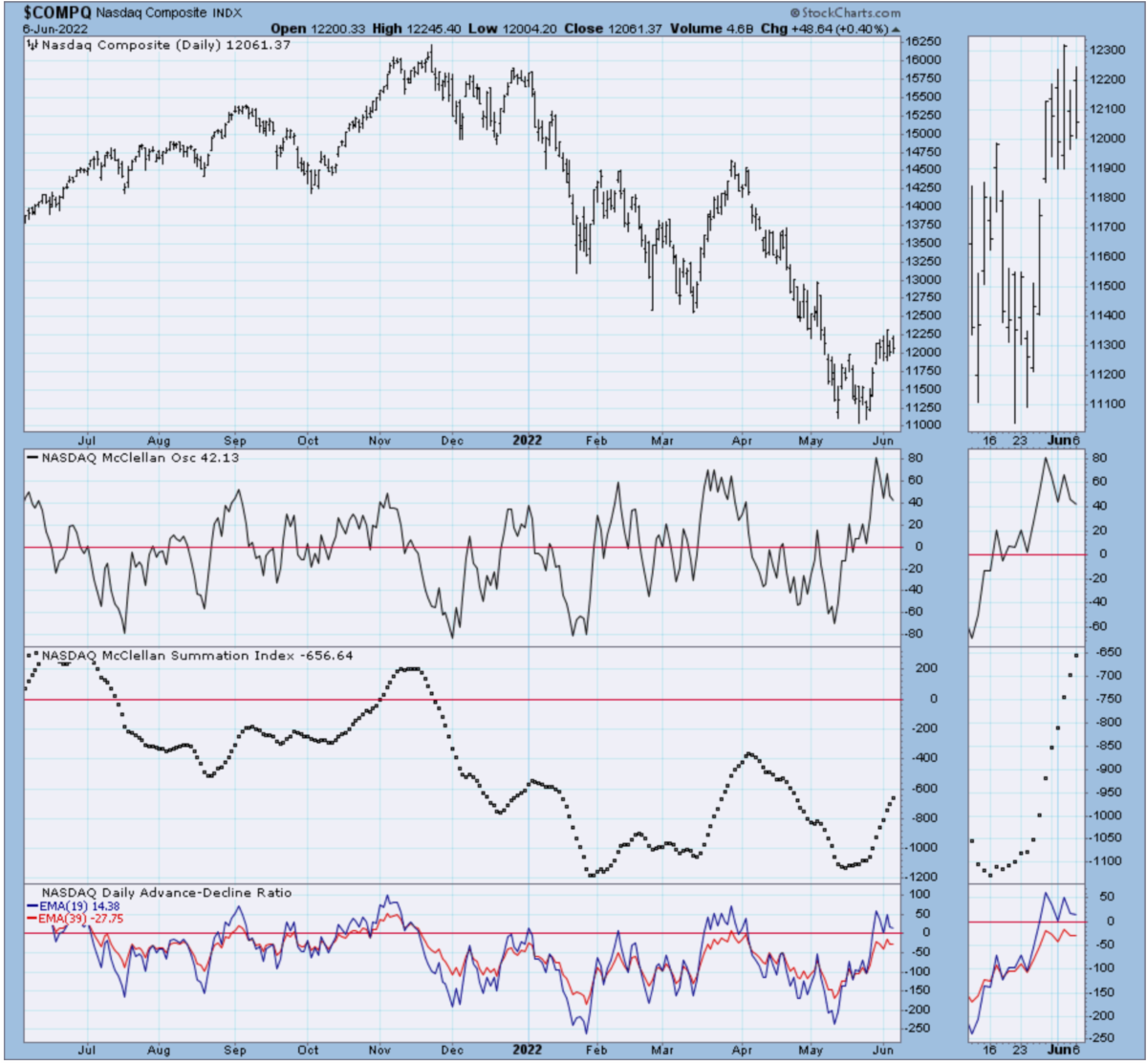
I'm just saying 'the market' is neutral, portions hammering around or new lows of the entire year-long shakeout, which occurred at-length under the cover of strong S&P and NDX (QQQ) behavior.
Asymmetric risk remains to the upside, not hyper-growth but rebounds and/or trading range behavior, rather than expecting a super upside or S&P collapse. The CPI numbers at week's-end matter as well of course. Rates firming thusly in-anticipation of the somewhat obviously-telegraphed consumer squeezing.
Fears of something like an 8.5% CPI increase would erase residual optimism, at least momentarily, and that's going to be on traders minds this week too. Of course there is lots of negativity, there is squeezing on the consumer, and the corporate side is adjusting (or trying) to the higher interest rate environment.
One of the reasons I dwell on this (and Fed) issue is it's at the market's heart, but it has been for over a year (inflation preceded the Ukraine war which sure added to Oil's increase, food too, but did not initiate the move). It was the Fed behind the curve for so long that was the anomaly and that's my point.
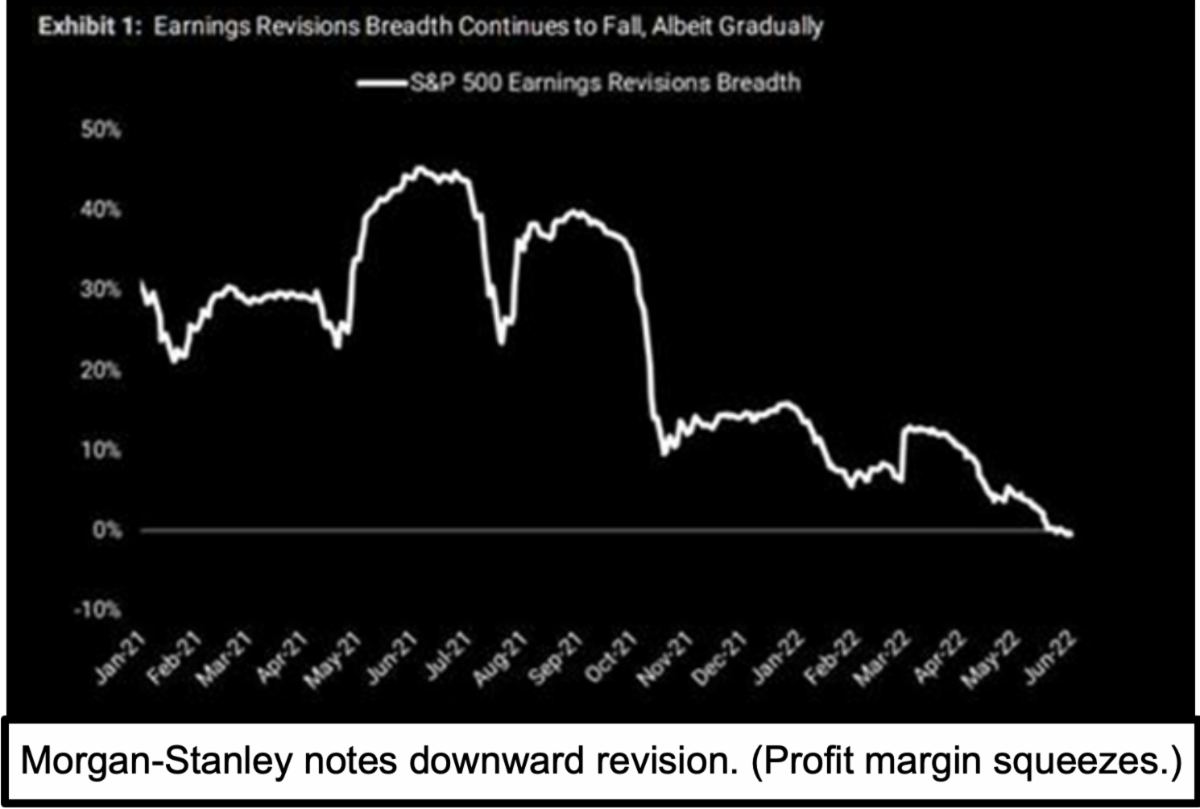
Speaking of my point: economic softening is not the same as sustained wider economic suffering. And this is how you get to the Fed 'threading the needle', or trying to get to historically 'normal' rates from excessive stimulus and more.
Yes, the long period of negative (inflation adjusted) rates was the anomaly, so of course the newer generation 'thinks' that things like 2-3% mortgages was a normal condition, but it hadn't been since at least the early 1950's. So 5 or 6% would really be more 'normal', and more importantly consumer sentiment isn't misunderstood at all. When rates were absurdly low and stayed there too long during pandemic, there was an enticement to spend, not conserve.
That changes and hence you also have discussions of only buying stocks with high dividends and making money. Well sure, they are already up, so perhaps a modicum of suspicion should focus instead on whether (especially with Oils) that's the reward for buying a year or more ago, and why some major funds at this point are adding to positions in smaller stocks, which often don't have the aforementioned dividends or revenue flows yet, but are potential players in a new or revived business cycle, that lies ahead.
Comments
Log in or sign up to join the conversation.