

The Bank of Canada finds itself in a very awkward situation these days. It has not completed its hoped-for full cycle of rate increases aimed at normalizing rates. At the same time, the current bank rate is set at 1.75% which does not afford much room to drop rates to prevent or to deal with a recession. It is almost as if the Bank is in “no man's “land and not sure how to move off this position. It will meet on April 24th and the widespread expectation is that there will be no rate increase. Governor Poloz’s current mantra is that the Bank is “data dependent” which really tells one virtually nothing about what is the Bank’s outlook for the balance of the year.
One set of clues regarding the outlook were revealed in the most recent Bank survey [1] which asked businesses about their expectations regarding sales, business investment, prices, and costs and overall conditions. On balance, business was more concerned about the future than it has been since 2016 (Figure1). The Bank relies on these survey results to guide their rate deliberations. When the survey revealed positive results starting in late 2017 and continuing through most of 2018, the Bank raised its policy rate five times, anticipating continuing economic expansion.
(Click on image to enlarge)
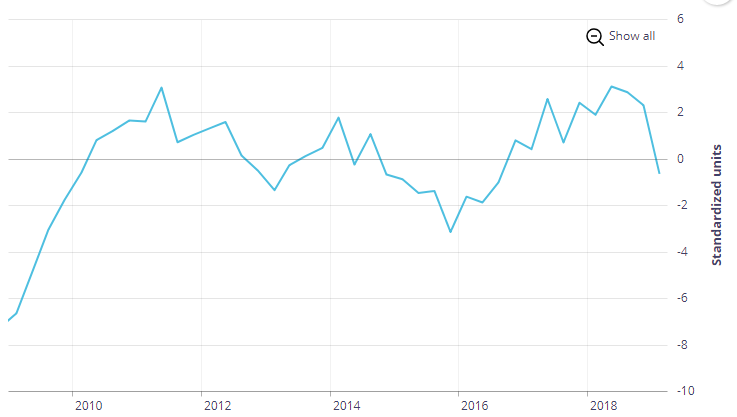
Figure 1 Business Outlook Survey Indicator
In the all-important international trade sector, respondents “cited negative impacts on their outlooks from US policy changes “resulting in firms “having weaker foreign sales expectations, investment intentions and hiring plans”. It is not just that the commodities sector is the only one to be impacted by slower global growth. Exporters, in general, have reported that” geopolitical tensions between Canada and China … are now hurting sales or are a source of uncertainty”.
The survey indicated that sales growth moved down to near zero, citing the weakness in the energy and housing sectors. Furthermore, respondents expect “their sales to remain weak or deteriorate further”.
Canadian monetary policy is set on the basis of maintaining price stability. And, here the survey reveals a total absence of inflation expectations. Over 65% of respondents anticipated price increases of less than 2%. Inflation is not an issue that would keep a central banker awake at night.
Finally, the Bank has argued, in the past, that the Canadian economy is operating at or near full capacity or potential. However, the survey pointed out that very few firms will have difficulty in “meeting an unanticipated increase in demand “. Also, skilled labor shortages have abated somewhat in the first part of the year.
To the extent that the Bank is data dependent, then these survey results provide ample data to decide in favor of a rate cut.



Comments
Log in or sign up to join the conversation.