

Read more >>> Israel’s Economy In The Fog Of War: Part 1
Read more >>> Israel’s Economy In The Fog Of War: Part 2
Photo by Johannes Schenk on Unsplash
The hallmark of the Israeli economy during these past two years of war is that it is highly resilient, able to both finance its military operations while continuing to expand the economy. Now that the nation is engaged in a major war with Iran, the economy continues to show a degree of robustness not commonly found in any country engaged in such a full scale commitment. Between the ceasefire with Iran in June 2025 and the Feb 28th attack, the Israeli recovery was quick and largely broad-based. Consumption, for example, was growing at an annual rate of 5.2%, leisure and tourism industries were revitalized, and the stalwarts of hi-tech and defense industries continued to expand.
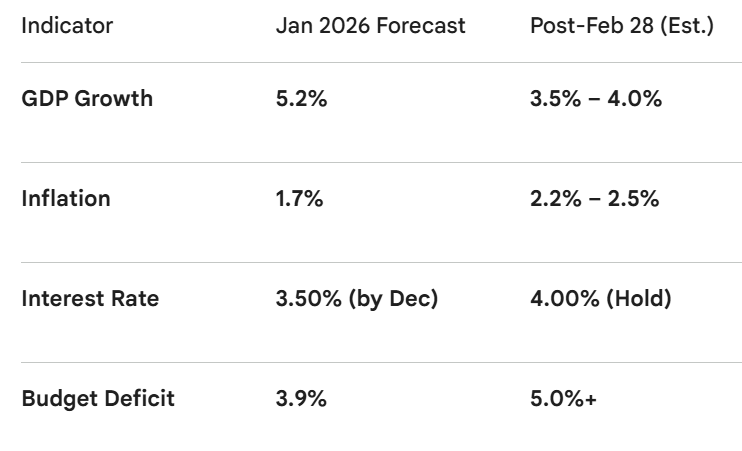
In January and February, consumer confidence hit a multi-year high , credit card spending was trending significantly above 2025 levels. Israelis were opening up their wallets as spring approached. Post Feb 28th discretionary spending slowed and the focus was on stocking up on essentials. It is now 10 days since the war began and that optimism continues. Granted there is a natural slowdown as daily activities are interrupted by the need to rush to shelters when Iranian missiles are detected headed for central and northern Israel. Overall, GDP growth is now forecasted to drop from 5.2% to 3.5%. Inflation should remain low, however, the impact of higher oil prices is difficult to forecast. So far, the Bank of Israel has not indicated the need to alter its bank rate. Finally, the additional defense expenditures will push the budget deficit from 3.9% to 5.0%.
The war has not put a damper on Foreign Direct Investment ( FDI). Overseas investors continue to have a strong appetite for Israeli tech startups, especially in cybersecurity and AI, throughout February, and even after the start of the war. Government tax revenues have soared, aided by the effect of the sale of the Wiz, providing a fiscal cushion in 2026 to support the funding of the war. Israel’s fiscal position remains stable, according to the credit rating agencies. Capital investment within the business sector, however, did not slow, and in the case of defense spending accelerated. Elbit Systems, for example, is expanding rapidly, not only to meet requirements of the Israeli Defense Forces (IDF), but more significantly in response to its swelling order book. Nearly 70%of the company’s order book is from international customers seeking the latest advances in military technology.
Summing up, the nation’s risk premium has not changed as a result of the renewed war with Iran. Forecasted growth has been slightly downgraded, but not to any worrisome extent. Meanwhile, the two major industrial sectors, hi tech and defense, continue to be major sources of growth.


Comments
Log in or sign up to join the conversation.