

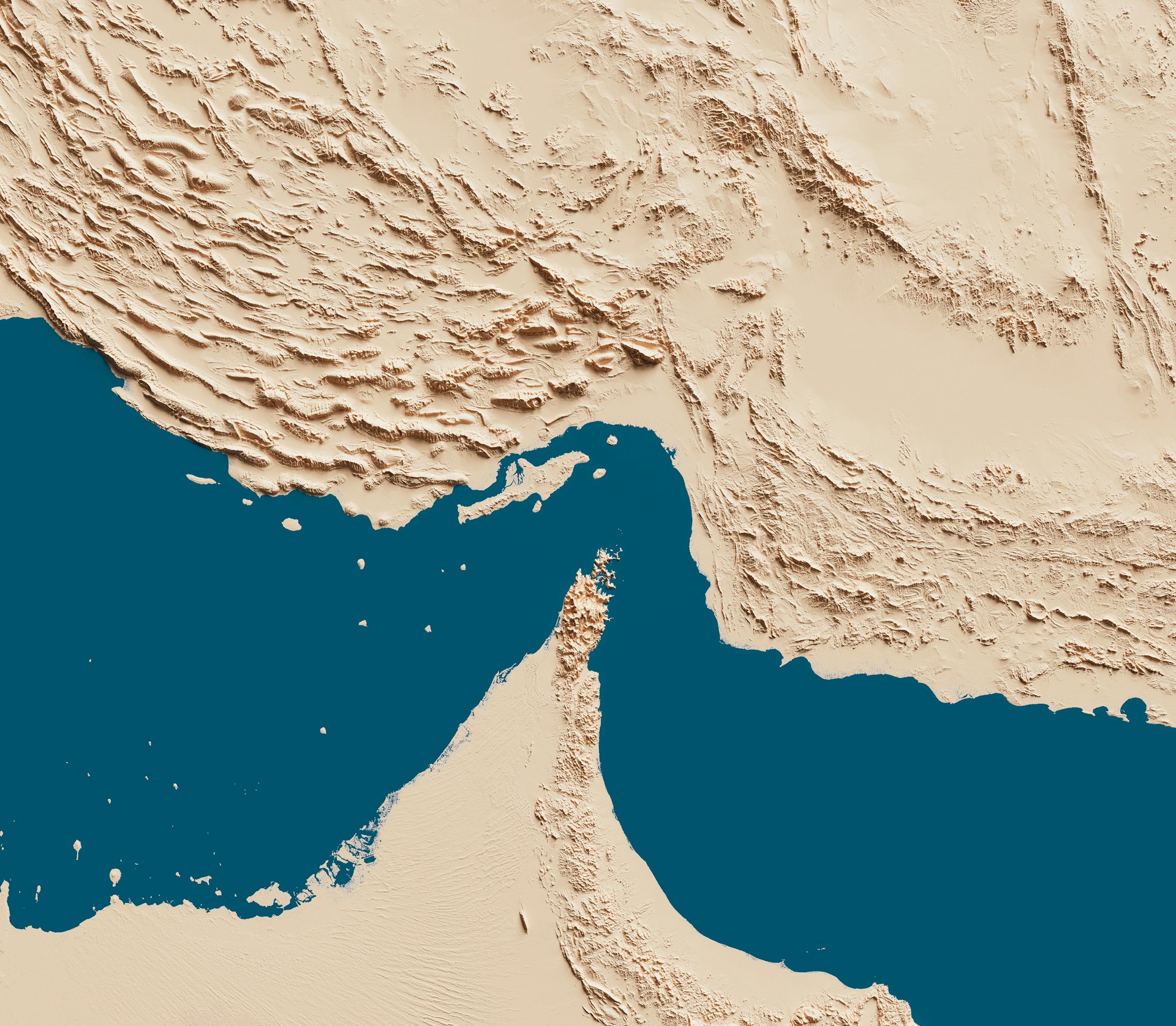
Bond markets are beginning to trade less like a panic shelter bracing for a full-blown Middle East energy shock and more like a market slowly realizing the inflation fire may not spread as far as feared if Washington and Tehran can keep diplomacy alive long enough to reopen the Strait of Hormuz. That shift is now bleeding across the entire macro complex. Oil is losing some of its geopolitical panic premium, the dollar is softening as energy-driven inflation expectations ease, and equity traders are once again leaning back into the familiar liquidity-driven mindset that lower yields and lower crude prices can keep the risk rally alive a little longer.
The slow grind toward a possible US-Iran framework agreement is starting to ripple across every major macro asset class, not because traders suddenly trust the durability of peace in the Gulf, but because positioning had become dangerously skewed toward permanent escalation. Oil’s sharp reversal below $100 feels less like a clean reassessment of physical risk and more like a violent unwinding of insurance premiums that had accumulated during weeks of blockade fear, tanker paralysis, and military brinkmanship. The market had effectively priced the Strait of Hormuz as a partially sealed artery in the global energy system, with every additional headline adding another layer of geopolitical scar tissue into crude pricing. Now the possibility that Washington and Tehran may reopen the waterway has triggered the first meaningful decompression trade across commodities, inflation expectations, and the broader rates complex.
But underneath the surface, this does not resemble a clean peace dividend yet. It resembles two poker players slowly pushing chips toward the center of the table while both continue hiding cards under their sleeves. Negotiators remain trapped in the dangerous middle ground where broad political headlines sound constructive, yet the technical architecture of a final agreement still looks unfinished and deeply fragile. Tehran continues to demand access to frozen assets, while Washington remains unwilling to fully lift financial pressure until concrete nuclear guarantees emerge. Iran appears willing to discuss disposal mechanisms for highly enriched uranium while simultaneously refusing to publicly surrender enrichment rights altogether. That distinction matters enormously because enrichment itself is not merely a nuclear issue inside Iran. It is political sovereignty wrapped in strategic symbolism. For Washington, however, anything short of enforceable restrictions risks looking like another version of the Obama-era nuclear framework dressed up in new language and sold under a different political logo.
That is where the market tension now sits. Traders are no longer focused solely on whether a ceasefire survives the next 48 hours. The focus is shifting toward whether both sides can engineer a structure that reduces regional volatility without detonating their own domestic political coalitions. President Donald Trump appears to be trying to walk a very narrow ridge line between showcasing himself as the leader capable of restoring stability while simultaneously avoiding accusations that he surrendered leverage too cheaply. His decision to keep the naval blockade structure in place until final terms are finalized is strategically important because it preserves negotiating leverage while allowing markets to begin mentally pricing in eventual normalization. In market terms, it resembles a central bank verbally pivoting before actually cutting rates. The psychology changes first. The mechanics follow later.
Meanwhile, oil traders are now confronting a different and potentially more complicated problem. If Hormuz gradually reopens and Iranian barrels begin leaking back into the system, the inflation impulse that terrified bond markets only days ago could begin fading faster than expected. That explains why the dollar weakened alongside crude rather than rallying amid geopolitical uncertainty. The market is beginning to sniff out the possibility that lower energy prices could relieve pressure on yields and soften the inflation narrative just enough to revive broader global risk appetite. In many ways, this is becoming a classic cross-asset rotation where crude volatility acts as the pressure valve controlling everything from Treasury term premium to semiconductor multiples.
Still, the entire framework remains structurally unstable because none of the core ideological fractures have actually disappeared. Israeli concerns over Iranian enrichment remain unresolved. Republican national security hawks are already circling the negotiations like distressed credit investors hunting covenant weakness. Tehran itself continues speaking in layered language designed to preserve domestic prestige while extracting maximum economic relief. Even the reported proposal involving Hezbollah and Lebanon introduces another major geopolitical fault line because Israel may have little appetite to fully endorse a broader regional settlement unless nuclear restrictions become far more explicit. In other words, this is not peace built on trust. It is a temporary volatility suppression mechanism built on mutual exhaustion and economic necessity.
That distinction matters because markets have a dangerous habit of mistaking fragile calm for permanent stability far too quickly. The current setup increasingly resembles a volatility air pocket, in which systematic funds, macro tourists, and underinvested equity managers suddenly find themselves chasing a reopening narrative while geopolitical reality remains one missile strike away from a complete reversal. The squeeze dynamic is becoming especially important in equities because falling oil prices simultaneously ease inflation fears, stabilize rate expectations, and fuel even greater stock market euphoria. Lower crude effectively acts like oxygen returning to the momentum trade.
But the real story may be what happens if the deal fails after markets fully reprice toward normalization. If negotiations collapse after crude inventories rebalance lower and geopolitical hedges are dismantled, the snapback risk could become extraordinarily violent. Markets spent the last several weeks layering in war premiums like homeowners buying storm insurance during hurricane season. Now they are beginning to cancel those policies while dark clouds still hover offshore. That creates the kind of asymmetrical setup that professional traders pay attention to, because failed diplomacy after a positioning unwind tends to generate far larger dislocations than the initial escalation itself.
For now, though, the tape is telling us one thing very clearly. Markets desperately want to believe the Strait of Hormuz is moving from a military chokepoint back toward a commercial waterway. Whether diplomacy can actually survive the political minefield ahead remains uncertain, but the first stage of repricing has already begun. Oil is easing. Bond markets are calming. The dollar is softening. Risk appetite is stabilizing. And traders everywhere are starting to lean back toward the same dangerous assumption that has driven nearly every major rally of the past decade: that eventually liquidity, diplomacy, and political survival instincts will overpower ideology before the system breaks.

Comments
Log in or sign up to join the conversation.